


How to Change Your AI Character's Outfit in Seconds
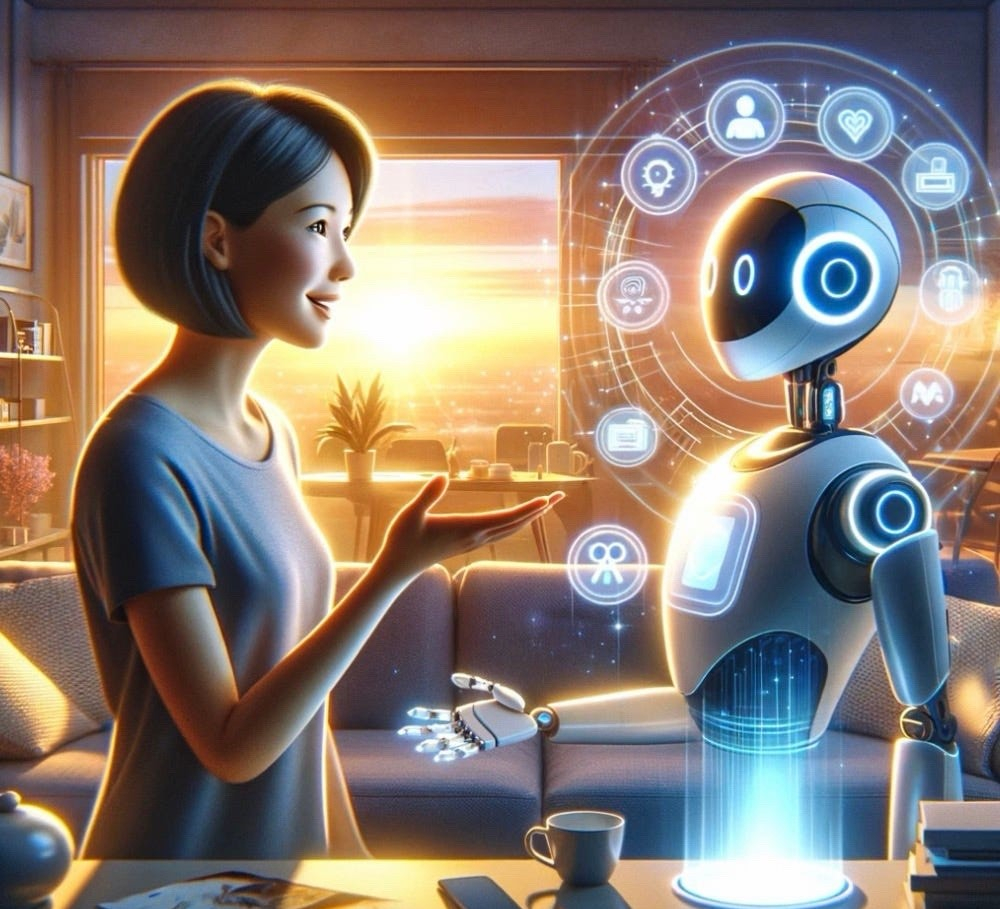
Changing an AI character’s outfit can completely alter the mood of a conversation, image, or virtual scene. A casual outfit may suit everyday chatting, while formal clothing can create a polished setting for a special moment. Modern AI companion tools make these changes much easier, allowing users to adjust clothing without rebuilding the entire character. Instead of creating a new personality every time, users can keep the same character and simply modify the visual appearance. This flexibility makes digital characters more personal, creative, and suitable for different situations, stories, and online interactions.
This article covers quick outfit changes, avatar customization, prompt writing, visual consistency, and practical tips for better AI character results.
Start With the Character You Already Have
The easiest way to change your AI character's outfit is to work from an existing character profile whenever the platform supports visual customization. This helps preserve the character’s face, hairstyle, personality, and general appearance while changing only the clothing.
Look for an edit, appearance, wardrobe, or image-generation option. Some AI companion platforms provide direct clothing controls, while others rely on text prompts to describe the desired outfit.
A clear request can be surprisingly effective. Rather than writing a long description, focus first on the clothing, color, material, and setting.
For example, a request can specify:
-
A black evening dress
-
A white oversized sweater
-
A casual denim jacket
-
A business suit
-
A summer outfit
-
A fantasy-inspired costume
Keeping the request focused helps prevent unrelated parts of the character from changing.
Use Short Prompts for Faster Outfit Changes
When a platform accepts text instructions, simplicity can make the process easier. A prompt does not always need several paragraphs.
A useful structure is:
Character + clothing + color + style + setting
For example, a user could request a character wearing a red jacket with black jeans in a modern city setting.
If the first result changes the character's hairstyle or facial appearance, the next request can specifically state that the original character identity should remain unchanged while only the outfit is modified.
This approach is especially useful when users want to change your AI character's outfit repeatedly during the same creative session.
Keep the Character’s Identity Consistent
One common problem with AI-generated character images is visual inconsistency. A new outfit can sometimes produce a slightly different face, hairstyle, body proportions, or overall appearance.
Consistency matters when the character has already been developed carefully.
Try keeping these details fixed:
-
Hair color and hairstyle
-
Eye color
-
General facial features
-
Character age
-
Distinctive accessories
-
Body proportions
-
Overall visual style
Meanwhile, the clothing description can change from one generation to another.
Secrets AI is relevant to this type of personalized character experience because users can work with customized AI personalities and visual character concepts rather than treating every image as an unrelated creation.
Customize the Avatar Around Different Situations
Outfit changes become more useful when they match the scene. A character attending a virtual party does not need the same clothing used during a casual conversation.
Users can customize your AI avatar around different settings, moods, and fictional scenarios. A wardrobe can therefore become part of the character’s personality.
Consider creating several outfit categories:
Everyday: Hoodies, jeans, sneakers, casual tops, or simple dresses.
Professional: Blazers, suits, office dresses, formal shoes, and polished accessories.
Social: Party outfits, fashionable jackets, coordinated accessories, or evening clothing.
Seasonal: Coats and scarves for winter, light shirts for summer, or rain-ready clothing.
Fantasy: Character costumes designed around fictional worlds and creative storytelling.
This approach gives the same AI character more variety without requiring a completely new character profile.
Image Tools Can Make Outfit Editing More Creative
Some AI image systems provide more advanced control over visual appearance. Instead of selecting clothing from a fixed wardrobe, users can describe the desired look directly.
A waifu AI art generator can be useful for users creating stylized fictional characters who need different outfits across multiple images. The quality of the result still depends on the platform, prompt structure, reference image, and available customization controls.
Likewise, users should check whether an image tool preserves the original character when changing clothing. If it creates an entirely new appearance every time, maintaining a recognizable character can become difficult.
Make Outfit Changes Without Rebuilding Everything
A good workflow does not require starting from zero each time. Save useful character descriptions, reference images, and preferred visual details whenever the platform allows it.
For repeated outfit changes, keep a basic character description separate from the clothing prompt. Then replace only the wardrobe section.
For example:
Character details: hairstyle, eye color, personality, visual style.
Outfit details: clothing, colors, footwear, accessories.
Scene details: location, lighting, mood, activity.
This structure makes future changes much quicker.
Secrets AI and Character Personalization
Secrets AI also fits into the broader trend toward AI characters that can be customized around individual preferences. Instead of treating character creation as a one-time activity, users can think of appearance as something that can change with different conversations and creative scenarios.
Secrets AI users who create personalized characters can benefit from keeping visual details consistent while experimenting with different clothing concepts. A character can have a recognizable identity while still receiving a fresh appearance for different situations.
The key is to change one visual element at a time whenever consistency matters. If clothing, hairstyle, facial features, setting, and art style all change simultaneously, it becomes harder to tell whether the original character has been preserved.
Quick Tips for Better Results
Before generating another outfit, check the request for unnecessary details. Clear instructions usually make editing easier.
A practical checklist can help:
-
Name the exact clothing item.
-
State the preferred color.
-
Mention the desired style.
-
Keep character traits unchanged.
-
Describe accessories only when necessary.
-
Specify the scene if it affects the clothing.
-
Review the result before requesting another change.
Secrets AI can be part of a workflow where character personality and visual customization work together, giving users more freedom to create different looks without abandoning the original concept.
Adult-Oriented Customization Needs Clear Controls
Some character platforms also provide mature visual options. An AI generator 18+ may be designed for adult audiences, so age requirements and content policies should always be checked before using those functions.
The same principle applies to character images generally. Users should avoid creating sexualized content involving minors or ambiguous-age characters. Clear character descriptions and responsible platform settings help keep creative work within appropriate boundaries.
Final Thoughts
Changing your AI character's outfit can be one of the quickest ways to refresh a digital character without creating an entirely new personality. A focused clothing prompt, consistent character description, and suitable visual settings can make the process much smoother. Users can create casual, professional, seasonal, social, or fictional looks while keeping recognizable character traits intact.
Secrets AI reflects the wider movement toward personalized AI characters where appearance and interaction can be shaped around individual preferences. With careful prompts and sensible customization, outfit changes can remain quick, creative, and consistent across different virtual scenarios.
Categories
- Artificial Intelligence (AI)
- Technology
- Business
- Education
- Science
- Lifestyle
- Healthcare
- Entertainment
- Politics
- Environment
- Travel
- Finance
- Automobile
- News
- Art
- Causes
- Crafts
- career
- Dance
- Drinks
- Film
- Fitness
- Food
- Games
- Gardening
- Health
- Home
- Literature
- Music
- Networking
- Other
- Party
- Religion
- Shopping
- Sports
- Theater
- Wellness
Read More
Understanding the Importance of Fast Withdrawals For many Canadian players, the excitement of achieving a successful outcome is often followed by anticipation surrounding the arrival of funds. While entertainment value remains important, the efficiency of the payout process has become a major consideration. Long waiting periods can diminish satisfaction and create unnecessary uncertainty....

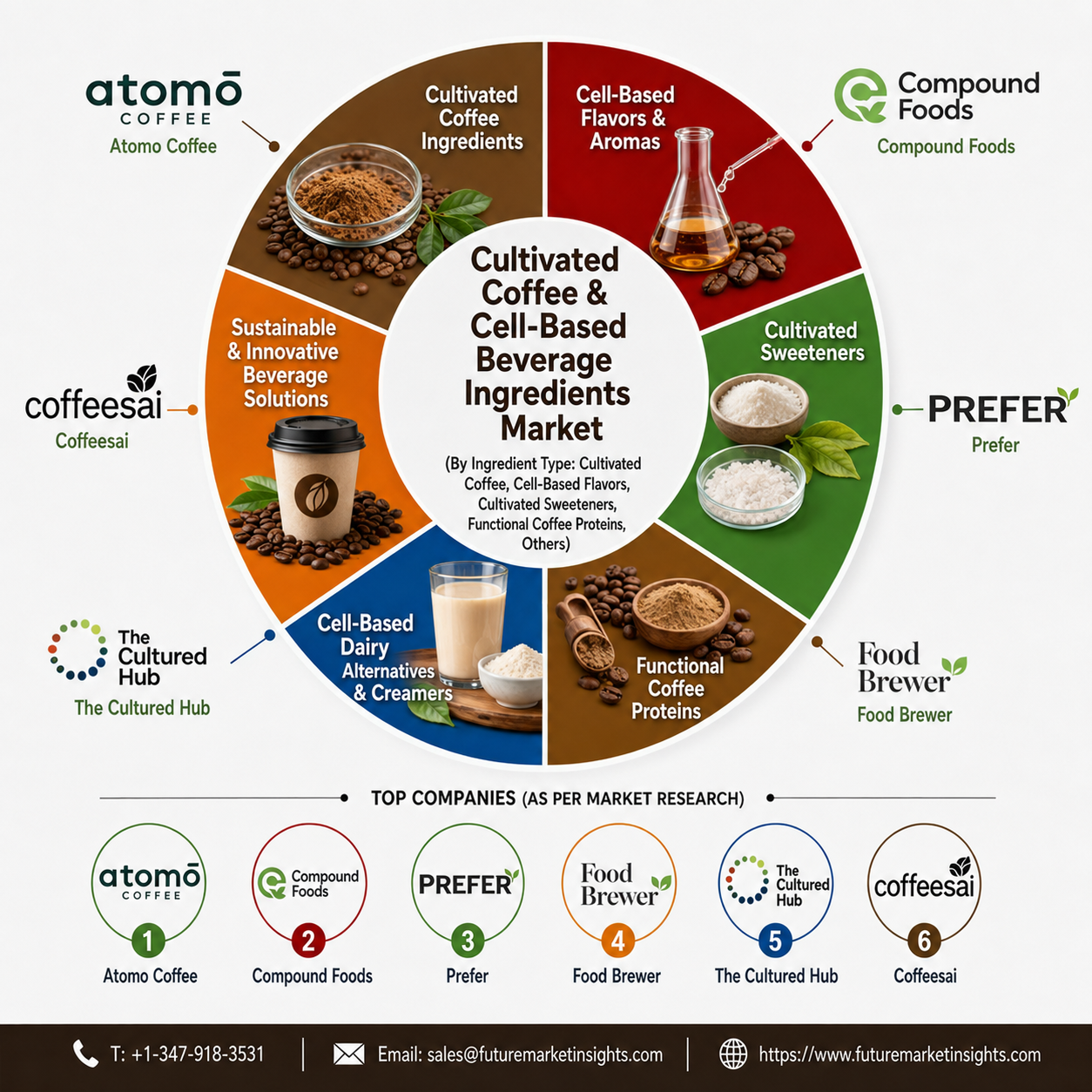
NEWARK, Del., August 10, 2026 — The global Cultivated Coffee & Cell-Based Beverage Ingredients Market is entering a period of rapid expansion as beverage manufacturers, ingredient developers, and alternative coffee producers explore controlled production technologies designed to create coffee biomass and taste precursors without relying exclusively on conventional agricultural...
Lucknow presents one of the most magnificent and grand monuments, its rich Nawabi culture and delicious kebabs which when people think of it before any other thing. However, there's also another side in the city that rises only after sunset. Over the years, Lucknow nightlife has transformed into one that offers a rooftop lounge, an upbeat cafe, live music venues and food streets open till late...

The Smart Agriculture and Autonomous Agricultural Machinery Market research report has been crafted with the most advanced and best tools to collect, record, estimate, and analyze market data. The report also sheds light on the market overview in its entirety touching diverse aspects like product definition, prevailing vendor landscape, and market segmentation. Through the comprehensive and...

The bio-based propylene glycol market is gaining significant traction as industries increasingly shift toward sustainable and environmentally friendly alternatives to petroleum-derived chemicals. Bio-based propylene glycol is primarily produced from renewable feedstocks such as glycerin, a byproduct of biodiesel production, making it an attractive option for reducing carbon emissions...

