


NDIS Specialist Disability Accommodation & Supported Independent Living
Finding the right disability housing and support can make a significant difference to a person’s independence, safety, comfort, and quality of life. Specialist Disability Housing provides information and housing solutions designed to support NDIS participants who require accessible, purpose-built accommodation and assistance to live as independently as possible.
For people exploring NDIS Specialist Disability Accommodation (SDA) or Supported Independent Living (SIL), understanding how these services work and how they can complement each other is an important first step.

1. What Is NDIS Specialist Disability Accommodation (SDA)?
Specialist Disability Accommodation (SDA) refers to purpose-built homes designed for people with extreme functional impairment or very high support needs.
SDA properties are designed with accessibility, safety, and independence in mind. Depending on the participant's needs, SDA homes may include features such as:
-
Accessible entrances and wider doorways
-
Improved accessibility throughout the home
-
Accessible bathrooms and kitchens
-
Assistive technology and smart-home features
-
Robust design features for people with complex needs
-
Improved accessibility for mobility equipment
-
Safe and practical living environments
SDA is not simply traditional rental accommodation. It is specialised housing intended to meet particular accessibility requirements and support greater independence.
2. What Is Supported Independent Living (SIL)?
Supported Independent Living (SIL) is an NDIS-funded support that helps eligible participants live as independently as possible while receiving assistance with everyday tasks.
SIL support can be tailored to an individual's circumstances and may include assistance with:
-
Personal care and daily routines
-
Meal preparation and household tasks
-
Medication routines
-
Developing independent living skills
-
Community participation
-
Household management
-
Building confidence and independence
-
Accessing activities and appointments
SIL is focused on the support a person receives, whereas SDA relates primarily to the specialist housing environment.
3. SDA and SIL: How Do They Work Together?
SDA and SIL are different supports, but they can work together for participants who meet the relevant NDIS requirements.
For example, a participant may live in an SDA property that has been designed around their accessibility requirements while receiving SIL support to assist with everyday activities.
This combination can provide:
-
A suitable and accessible home environment.
-
Assistance with daily living when required.
-
Opportunities to develop greater independence.
-
A safer and more comfortable living arrangement.
-
Support for participation in the community.
The exact combination of housing and support depends on the participant's individual circumstances, goals, funding, and NDIS plan.
4. Choosing the Right Specialist Disability Housing
Choosing suitable disability accommodation involves more than finding an accessible property. The home should be appropriate for the person's individual needs, preferences, lifestyle, and future goals.
When considering SDA, participants and their support networks can consider:
-
Location and proximity to family and community
-
Accessibility requirements
-
Property design and layout
-
Privacy and personal space
-
Shared or individual living arrangements
-
Access to transport and essential services
-
Available assistive technology
-
Compatibility with support requirements
-
Opportunities for social and community participation
A carefully considered housing choice can help create a stable environment where a participant feels comfortable and supported.
5. Personalised Support for Independent Living
Every NDIS participant has different abilities, goals, preferences, and support requirements. supported independent living ndis should therefore be considered from a person-centred perspective.
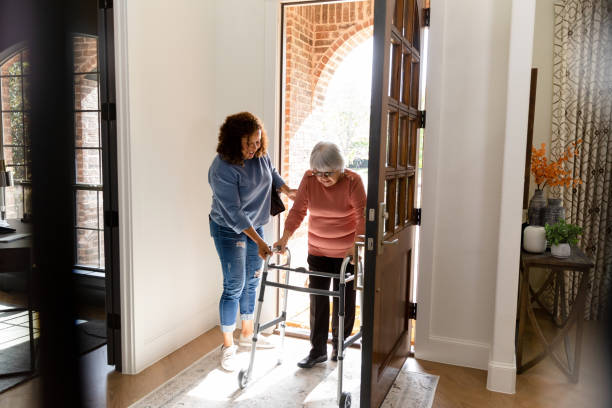
At Specialist Disability Housing, the focus is on helping people understand their housing and independent-living options and identify arrangements that align with their individual circumstances.
Depending on a participant's needs, independent living may involve support with everyday activities while still encouraging the person to make choices and develop skills wherever possible.
The goal is not simply to provide assistance—it is to create opportunities for greater participation, confidence, autonomy, and independence.
6. Benefits of NDIS Specialist Disability Accommodation
Purpose-built SDA can provide several potential benefits for eligible participants, including:
-
Greater accessibility: Homes can incorporate features designed around specific accessibility requirements.
-
Improved safety: Specialist design can help address particular mobility and functional needs.
-
Greater independence: Suitable housing can make everyday activities easier to manage.
-
Comfort and privacy: Purpose-built homes can provide an environment designed for individual needs.
-
Long-term suitability: Specialist housing can be designed to accommodate significant support requirements.
-
Community connection: Well-located accommodation can make it easier to access local services and activities.
The suitability of any property will depend on the participant's individual needs and circumstances.
7. Why Choose Specialist Disability Housing?
Finding suitable disability accommodation can sometimes feel complicated. Participants, families, support coordinators, and other stakeholders may need to consider housing requirements alongside NDIS funding, accessibility, support arrangements, and personal preferences.
Specialist Disability Housing aims to make the process easier by providing information and solutions focused on specialist disability housing and independent living.
Our approach focuses on:
-
Understanding individual housing needs
-
Supporting informed housing decisions
-
Providing information about SDA options
-
Considering accessibility and lifestyle requirements
-
Encouraging independence and choice
-
Supporting participants to explore suitable living arrangements
8. Planning Your NDIS Housing and SIL Journey
Before selecting an SDA or SIL arrangement, it can be helpful to clearly identify the participant's current needs and future goals.
Consider the following questions:
-
What type of accessibility does the participant require?
-
What level of daily assistance is needed?
-
Would shared or individual accommodation be more suitable?
-
What location would best support community participation?
-
What features are important for safety and independence?
-
What are the participant's long-term housing goals?
-
What NDIS supports and funding arrangements are relevant?
Discussing these considerations with appropriate NDIS professionals can help participants make informed decisions.
9. Supporting Choice, Independence and Quality of Life
A suitable home is more than a physical building. It is a place where people should be able to feel secure, respected, comfortable, and connected to their community.
The right combination of NDIS Specialist Disability Accommodation and Supported Independent Living can help eligible participants access an environment that supports their individual needs while providing opportunities to develop skills and exercise choice.
At Specialist Disability Housing, we believe disability housing should be approached with the participant's goals, preferences, accessibility requirements, and independence at the centre of the process.
Conclusion
NDIS Specialist Disability Accommodation (SDA) and Supported Independent Living (SIL) can play an important role in helping eligible people with disability access suitable housing and the support they need to live more independently.
SDA provides purpose-built accommodation designed around specific accessibility and support requirements, while SIL provides assistance with everyday living and the development of independent living skills. When appropriately planned, these supports can work together to create a safe, accessible, and person-centred living environment.
Specialist Disability Housing is committed to helping participants explore their disability housing options and understand how specialist accommodation and independent living support may fit into their individual circumstances.
If you are exploring NDIS SDA or SIL, understanding your options is an important first step toward finding a housing arrangement that supports your goals, independence, comfort, and quality of life. For more visit us!
Categories
- Artificial Intelligence (AI)
- Technology
- Business
- Education
- Science
- Lifestyle
- Healthcare
- Entertainment
- Politics
- Environment
- Travel
- Finance
- Automobile
- News
- Art
- Causes
- Crafts
- career
- Dance
- Drinks
- Film
- Fitness
- Food
- Games
- Gardening
- Health
- Home
- Literature
- Music
- Networking
- Other
- Party
- Religion
- Shopping
- Sports
- Theater
- Wellness
Read More
According to a new report from Intel Market Research, the global Premix Feed Production Equipment market was valued at USD 1559 million in 2025 and is projected to reach USD 2010 million by 2034, growing at a CAGR of 3.8% during the forecast period (2026–2034). This steady expansion is driven by the sustained rise in demand for high‑quality animal protein, the adoption of precision...

The Brain Tissue Oxygen Monitoring System Market is expanding as healthcare providers place greater emphasis on continuous monitoring of cerebral oxygenation in critical neurological conditions. According to WiseGuyReports, the market was valued at USD 935.9 million in 2024 and is expected to reach USD 2.5 billion by 2035, growing at a CAGR of 9.3% from 2025 to 2035. The rising prevalence of...
Gas generator sets (gensets) are emerging as the clean and reliable choice for power generation, offering lower emissions and lower operating costs compared to traditional diesel generators. Insights published by Market Research Future indicate that the gas genset market is on a steady growth trajectory, with projections reaching USD 19.15 billion by 2035. The environmental and economic...

The Hybrid Valve Market size is expected to reach US$ 3.66 Billion by 2033 from US$ 2.25 Billion in 2025.The market is estimated to record a CAGR of 6.27% from 2026 to 2033. The retrieved public source material for this batch did not expose all three headline values required for a verified numerical opening, so no market-size figure or CAGR is inferred. Market growth is best understood as the...
The automotive brake rotors market is witnessing steady growth due to rising vehicle production, increasing demand for enhanced vehicle safety systems, and continuous advancements in braking technologies. Brake rotors are among the most critical components of a vehicle's braking system, helping convert kinetic energy into thermal energy through friction to ensure...
