How Teeth Filling Can Improve Tooth Function
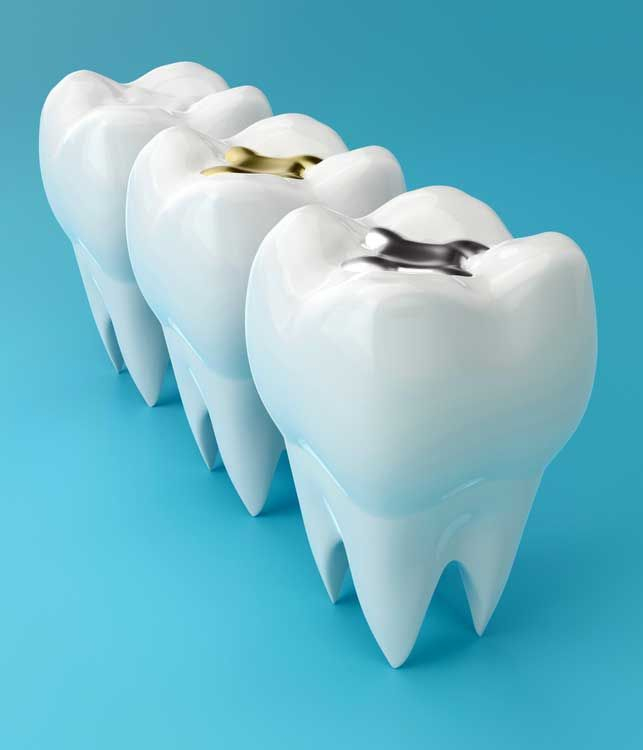
Healthy teeth play an important role in everyday activities such as chewing, speaking, and maintaining a comfortable bite. When tooth decay creates a cavity, it can affect the structure and function of the affected tooth. In some cases, even a small cavity may cause sensitivity or discomfort when eating.
Teeth filling is a common restorative treatment designed to repair suitable cavities and restore missing tooth structure. By replacing the damaged portion of the tooth, a filling can help improve its function while supporting the preservation of natural teeth.
What Is a Teeth Filling?
A teeth filling is a restorative dental procedure used primarily to repair cavities caused by tooth decay. During treatment, the dentist removes the decayed portion of the tooth and cleans the affected area. A suitable filling material is then placed into the prepared space.
The restoration is shaped to follow the natural contours of the tooth. The dentist also checks the patient's bite to make sure the filling does not interfere with surrounding teeth.
Depending on the location and condition of the tooth, materials such as composite resin, amalgam, glass ionomer, or other restorative options may be considered.
How Cavities Can Affect Tooth Function
A cavity weakens the tooth by removing part of its natural structure. As decay progresses, the affected tooth may become more sensitive to pressure, temperature, or certain foods.
A damaged tooth can also make chewing uncomfortable. Some people may unconsciously avoid using the affected side of their mouth, which can change normal chewing patterns.
If decay reaches deeper parts of the tooth, discomfort may become more significant. Treating an appropriate cavity with a filling can help restore the missing structure before the damage becomes more extensive.
Restoring the Natural Shape of the Tooth
One of the main ways a filling can improve tooth function is by restoring the tooth's shape. Teeth are naturally designed with specific surfaces and contours that help them work together during biting and chewing.
When decay creates a hole, these natural contours can become disrupted. The dentist fills the cavity and shapes the restoration to recreate the tooth's appropriate form.
A properly shaped filling can help the restored tooth interact more naturally with neighboring teeth during everyday chewing.
Improving Chewing Ability
Chewing is one of the primary functions of teeth. A cavity may make biting uncomfortable, particularly when pressure is placed directly on the affected tooth.
By restoring the missing portion, a filling can support more normal chewing. Patients may find it easier to eat a variety of foods once the tooth has been treated, although individual experiences can vary.
The dentist checks the restoration after placement to ensure that the bite is balanced and comfortable.
Supporting Comfortable Biting
A damaged tooth may be more vulnerable to pressure because decay can weaken its structure. A filling restores the affected area and provides additional structural support within the limits of the tooth's remaining healthy tissue.
The dentist carefully adjusts the filling so that it does not sit too high compared with the surrounding teeth. This helps the restored tooth participate normally when the upper and lower teeth come together.
If a patient notices an uncomfortable bite after treatment, a dental professional can evaluate and adjust the restoration when necessary.
Helping Reduce Certain Types of Sensitivity
Cavities can sometimes cause sensitivity when the tooth is exposed to hot, cold, sweet, or acidic foods. This may occur because decay affects the protective layers of the tooth.
Treating the cavity and restoring the affected area may help reduce sensitivity associated with the decay. However, sensitivity can have many causes, including gum recession, enamel wear, or other dental conditions.
For this reason, persistent sensitivity should always be evaluated by a dentist rather than assumed to be caused by a cavity.
Preserving Natural Tooth Structure
Restoring a tooth with a filling can help preserve natural tooth structure when the cavity is suitable for this treatment. The dentist removes the damaged tissue while retaining healthy areas whenever clinically appropriate.
Preserving natural structure can support the tooth's ability to perform its normal function. However, severely damaged or deeply infected teeth may require more extensive treatment.
A professional examination is necessary to determine whether a filling is appropriate.
Teeth Filling Materials and Function
Different filling materials have different characteristics. Composite resin is frequently used because it can provide a natural appearance and is suitable for many types of restorations.
Amalgam has traditionally been used for certain teeth because of its strength. Glass ionomer and other materials may be selected for specific clinical circumstances.
The dentist considers the tooth's location, cavity size, chewing forces, aesthetic requirements, and other factors when selecting a material.
Teeth Filling in Islamabad
Patients searching for Teeth filling in Islamabad can begin with a consultation with a qualified dental professional. An examination allows the dentist to determine the extent of decay and evaluate how the damaged tooth is functioning.
During the appointment, patients can discuss suitable filling materials, treatment steps, expected aftercare, and other restorative options. Professional evaluation is particularly important if a tooth causes persistent pain, swelling, or difficulty chewing.
What to Expect During Treatment
The filling procedure generally begins with a dental examination. X-rays may be used when the dentist needs to assess the depth of decay.
Local anesthesia may be administered to help keep the treatment area comfortable. The dentist removes the decayed material and cleans the cavity before placing the selected filling material.
After the filling is placed, it is shaped and polished. The dentist then checks the patient's bite to make sure the restoration fits appropriately.
Caring for a Filled Tooth
Proper care is important for maintaining the function of a restored tooth. Brush twice daily with fluoride toothpaste and clean between your teeth regularly.
Avoid frequently consuming sugary foods and drinks, as they can increase the risk of new decay. Regular dental examinations can also help monitor the filling and surrounding tooth.
If you experience persistent pain, significant sensitivity, swelling, or an uncomfortable bite after treatment, contact your dentist for an evaluation.
Conclusion
Teeth filling can help restore the structure and function of a tooth affected by a suitable cavity. By replacing damaged areas, a filling can support normal biting and chewing while helping preserve natural tooth structure.
Good oral hygiene and regular dental checkups remain essential after treatment. If you experience sensitivity, discomfort, visible tooth damage, or difficulty chewing, a professional dental examination can help determine whether a filling or another treatment is appropriate.
Frequently Asked Questions
1. Can teeth filling improve chewing?
Yes. By restoring missing tooth structure, a filling can help the affected tooth regain a more functional shape for biting and chewing.
2. Can a filling reduce tooth sensitivity?
A filling may reduce sensitivity caused by a cavity by restoring the damaged portion of the tooth. However, sensitivity from other causes may require different treatment.
3. Why is the bite checked after a filling?
The dentist checks the bite to make sure the filling does not sit too high or interfere with surrounding teeth. Adjustments can be made if the bite feels uncomfortable.
4. How can I protect the function of a filled tooth?
Maintain good oral hygiene, brush twice daily with fluoride toothpaste, clean between your teeth, limit frequent sugary foods and drinks, and attend regular dental checkups.
For more information visit Enfield royal clinic in islamabad
Categories
- Artificial Intelligence (AI)
- Technology
- Business
- Education
- Science
- Lifestyle
- Healthcare
- Entertainment
- Politics
- Environment
- Travel
- Finance
- Automobile
- News
- Art
- Causes
- Crafts
- career
- Dance
- Drinks
- Film
- Fitness
- Food
- Games
- Gardening
- Health
- Home
- Literature
- Music
- Networking
- Other
- Party
- Religion
- Shopping
- Sports
- Theater
- Wellness
Read More
The Handheld Ultrasound Market is gaining importance as healthcare providers increasingly seek portable, convenient, and cost-effective diagnostic imaging solutions. Handheld ultrasound devices enable clinicians to perform imaging closer to patients, making them valuable for emergency medicine, point-of-care diagnostics, obstetrics and gynecology, veterinary medicine, and other...

The flexible conveyor belts market is witnessing steady growth due to the increasing adoption of automated material handling systems across manufacturing, logistics, food processing, mining, and warehousing industries. Flexible conveyor belts are designed to improve operational efficiency by enabling the smooth transportation of goods while adapting to different layouts...
People make quick decisions when they enter a business for the first time. They notice the surroundings before they notice the products or services. Office Cleaning London helps businesses create a workplace that feels fresh welcoming and full of care from the first step inside. A clean office tells visitors that the company values quality respect and attention to every detail. That...

The Veterinary Pain Management Market is witnessing growing demand as pet owners and veterinary professionals place greater emphasis on animal health, comfort, and quality of life. Pain management plays an important role in veterinary care for animals recovering from surgery, experiencing injuries, or suffering from chronic conditions. Increasing pet ownership and rising expenditure on...
The nasal tip plays a crucial role in facial aesthetics, acting as the focal point of the nose and significantly influencing overall harmony. Rhinoplasty in Riyadh Many individuals seek surgical refinement to address bulbous, drooping, or undefined tips, looking for a solution that provides balance and confidence. Understanding the nuances of nasal anatomy and the surgical techniques...