


Hair Loss Treatment for Thinning at the Crown
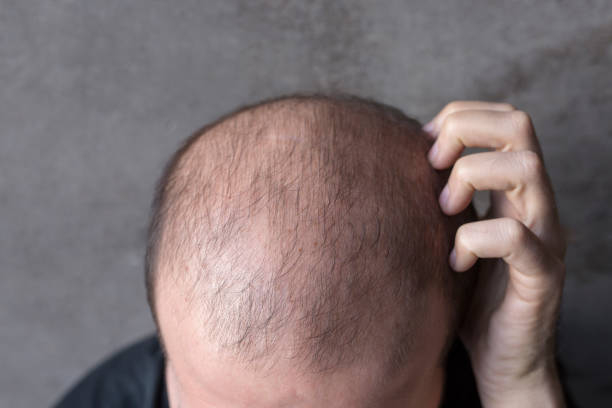
Thinning at the crown can be one of the earliest visible signs of progressive hair loss, yet it often goes unnoticed because surrounding strands can initially conceal the affected area. Over time, increased scalp visibility may become noticeable when the hair is wet, under bright lighting, or when viewed from above. Hair Loss Treatment in Riyadh may help address crown thinning by identifying its underlying cause and determining whether the affected follicles can still respond to treatment.
Why Does Hair Thin at the Crown?
Crown thinning is frequently associated with androgenetic alopecia, also known as male pattern hair loss. In genetically susceptible individuals, certain follicles are more sensitive to dihydrotestosterone (DHT), which can gradually cause them to produce finer and shorter hairs. However, hereditary hair loss is not the only possible cause of reduced density at the crown.
Genetic Hair Loss
Family history can increase the likelihood of developing patterned thinning. Genetic hair loss may progress gradually, with the crown becoming less dense while the surrounding hair initially remains relatively thick. The rate of progression varies, making individual assessment important when determining how the condition is developing.
Other Possible Causes
Stress, nutritional deficiencies, hormonal changes, scalp disorders, medications, and certain medical conditions can also contribute to hair shedding. When thinning appears suddenly or is accompanied by itching, scaling, redness, or patchy loss, professional evaluation can help determine whether another condition may be involved.
What Does Crown Thinning Look Like?
Early crown thinning may appear as a small area where the scalp is more visible than before. As the condition progresses, the affected area can gradually become wider, and individual hairs may appear finer. Comparing photographs taken over several months can sometimes make gradual changes easier to recognize.
Why Is the Crown Easy to Overlook?
The crown is difficult to see without a mirror or overhead view, and neighboring hair can camouflage early thinning. Many people discover crown hair loss only after someone else points it out or when they notice increased scalp visibility in photographs. Regular observation can help identify changes earlier.
Can Hair Loss Treatment Help With Crown Thinning?
The potential benefit depends on the underlying cause and the condition of the hair follicles. When follicles remain active but have become weaker or thinner, certain treatments may help manage ongoing hair loss or improve the appearance of existing hair. Hair Loss Treatment in Riyadh should be selected following an assessment rather than based solely on the location of the thinning.
Why Early Assessment Can Be Important
Hair follicles that are progressively becoming smaller may have different treatment considerations from areas where follicles have been inactive for a long period. Early evaluation can help establish the current level of thinning and identify whether management may help preserve existing density.
What Treatments May Be Considered?
Treatment options depend on the diagnosis, severity of thinning, age, general health, and individual goals. A specialist may discuss established medical therapies, regenerative procedures, scalp-focused treatments, or hair restoration techniques where appropriate.
Medical Treatments
Certain medications may be recommended for suitable patients with androgenetic alopecia. Their purpose can include slowing further progression or supporting existing follicles. Because these treatments have specific indications and possible side effects, professional guidance is important before starting them.
Regenerative Hair Treatments
Some patients may be candidates for regenerative approaches designed to support existing hair follicles and improve the scalp environment. Platelet-based treatments are one example that may be discussed depending on the individual's condition. Results can vary, and treatment suitability should be determined during consultation.
Hair Transplantation
If crown thinning has progressed significantly and follicles in the affected area can no longer produce sufficient hair, transplantation may be considered. Healthy follicles from an appropriate donor area can be placed into areas of reduced density. Because transplanted hair grows gradually, visible improvement develops over time.
How Is Crown Hair Loss Evaluated?
A professional assessment may include examination of the crown, frontal hairline, temples, donor area, scalp condition, and overall density. The specialist may also ask about family history, previous illnesses, medications, nutrition, stress, and how long the thinning has been present. Additional tests may sometimes be recommended when the cause is unclear.
Why Diagnosis Matters
Similar-looking hair loss patterns can have very different causes. Treating hereditary thinning when the actual problem is a scalp condition or nutritional deficiency may fail to address the underlying issue. Identifying the cause allows treatment discussions to be more targeted and realistic.
How Long Does Treatment Take to Show Results?
Hair grows through natural cycles, so most hair loss treatments require patience. The timeline depends on the selected approach and the individual's response. Some treatments focus on maintaining existing hair, while restoration procedures require additional time for transplanted follicles to establish visible growth.
Can Crown Thinning Be Prevented?
Genetically influenced hair loss cannot always be prevented, but early recognition can help people seek professional advice sooner. A balanced diet, appropriate scalp care, avoidance of excessive hair tension, and management of factors that may contribute to shedding can support overall hair health.
When Should You Seek Professional Advice?
Consider an assessment if the crown is becoming increasingly visible, hair density continues to decrease, or individual strands appear progressively finer. Sudden, patchy, or unusually heavy shedding should also be evaluated because it may have causes other than hereditary hair loss. Hair Loss Treatment in Riyadh can be explored once the specific pattern and cause of thinning have been identified.
Book an Appointment at Royal Clinic Saudia
If you have noticed increased scalp visibility or thinning around the crown, Royal Clinic Saudia can assess your hair and scalp and discuss suitable treatment options based on your individual condition. Book an appointment with Royal Clinic Saudia to take the next step toward understanding your hair loss.
FAQs:
Is crown thinning always caused by male pattern hair loss?
No. Although hereditary hair loss is a common cause, stress, nutritional factors, hormonal changes, scalp conditions, medications, and other medical factors may also contribute.
Can crown hair grow back after thinning?
The possibility depends on the underlying cause and the condition of the follicles. Some forms of temporary shedding can improve, while advanced follicle miniaturization may require different treatment approaches.
How can I tell if my crown is getting thinner?
Increasing scalp visibility, finer strands, and a gradually expanding area of reduced density can be signs. Comparing photographs over time and obtaining a professional assessment can provide a clearer picture.
Should I treat crown thinning early?
Early assessment can help identify the cause and determine whether the follicles are still producing hair that may be suitable for management. A specialist can explain the available options according to your condition.
Categories
- Artificial Intelligence (AI)
- Technology
- Business
- Education
- Science
- Lifestyle
- Healthcare
- Entertainment
- Politics
- Environment
- Travel
- Finance
- Automobile
- News
- Art
- Causes
- Crafts
- career
- Dance
- Drinks
- Film
- Fitness
- Food
- Games
- Gardening
- Health
- Home
- Literature
- Music
- Networking
- Other
- Party
- Religion
- Shopping
- Sports
- Theater
- Wellness
Read More
Foamed Concrete Market Overview The Foamed Concrete Market is evolving as demand changes across key applications, industries, and regions. Growth is being influenced by technology adoption, industrial activity, changing customer requirements, production economics, and sustainability priorities. These forces are affecting established applications while creating opportunities in...

Global AC Drive (VFD) IGBT + Driver IC Module Market is witnessing robust growth, driven by accelerating industrial automation, rising energy‑efficiency mandates, and the rapid adoption of smart manufacturing across multiple sectors. A new in‑depth study released by Semiconductor Insight examines the market dynamics, technology trends, and competitive forces shaping the landscape through 2034....
The Education Smart Display Market was valued at US$ 3.64 Billion in 2025 and is projected to reach US$ 6.10 Billion by 2033, registering a CAGR of 6.67% during 2026–2033. For senior management, Education Smart Display Market is primarily a portfolio-allocation question. The strategic issue is where network modernization and industrial automation create defensible positions, which...
Why Construction Chemicals Are Becoming Essential to India’s Building Boom India’s construction sector is no longer being judged only by how quickly structures can be completed. Durability, water resistance, energy efficiency, lifecycle costs, and the ability to withstand demanding environmental conditions are becoming equally important. That shift is creating a broader role for the...

Acne scars can affect the overall appearance of the skin and often remain even after active acne has disappeared. Many people look for advanced solutions that can improve uneven texture, visible marks, and changes in skin tone caused by previous breakouts. Modern dermatology approaches focus on improving the skin’s natural renewal process while creating smoother and healthier-looking...

