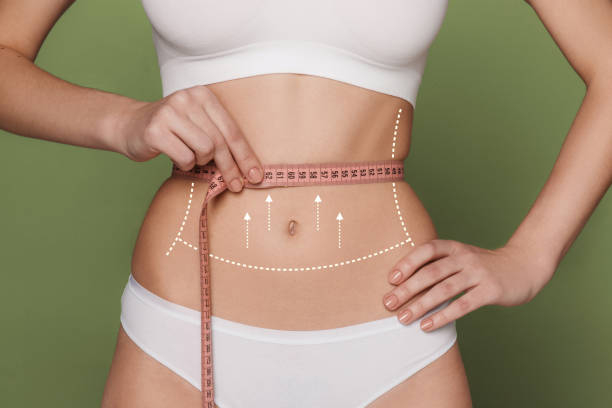
Liposuction is a body-contouring procedure designed to remove localized deposits of subcutaneous fat that may be resistant to diet and exercise. Rather than serving as a general weight-loss method, the procedure focuses on improving the shape and proportions of specific areas. liposuction in riyadh may help create more defined contours by selectively reducing excess fat from areas such as the abdomen, waist, hips, thighs, arms, back, and other suitable regions.
What Is Liposuction?
Liposuction is a surgical procedure that removes targeted fat cells from beneath the skin. During treatment, a surgeon makes small access points and uses a thin cannula to carefully loosen and remove selected fat deposits.
The objective is not simply to remove as much fat as possible. Effective body contouring focuses on proportion, symmetry, and a natural-looking transition between treated and untreated areas. The amount and location of fat removed are therefore carefully planned according to the individual's anatomy and goals.
How Liposuction Improves Body Contours
Body shape is influenced by the distribution of fat, skin elasticity, muscle structure, and skeletal proportions. Even people who maintain a healthy lifestyle can have localized areas where fat is more resistant to change.
Liposuction in Riyadh can address these specific deposits and help create smoother transitions between different areas of the body.
Defining the Waist
Localized fat around the waist and flanks can make the midsection appear less defined. Carefully removing selected deposits may create a more noticeable waistline while maintaining natural proportions.
Contouring the Abdomen
The abdomen is one of the areas commonly treated with liposuction. Targeted fat removal can improve the abdominal contour when the primary concern is excess subcutaneous fat and the skin has adequate elasticity.
Liposuction does not repair separated abdominal muscles or remove substantial excess skin. Individuals with significant loose skin may require a different or combined body-contouring procedure.
Shaping the Hips and Thighs
Fat around the hips and thighs can affect the relationship between the lower body and waist. Carefully planned liposuction may help refine these areas and create smoother transitions.
Addressing Back and Flank Fat
Fat deposits around the back and flanks can sometimes create visible fullness around the sides or beneath clothing. Targeted treatment may help create a smoother back profile and improve overall body proportions.
Why Proportion Matters
Body contouring is not simply about making one area smaller. Removing localized fat should be planned with the surrounding anatomy in mind.
For example, reducing fat around the waist may be considered alongside the abdomen or flanks to create a balanced transition. Similarly, treating the thighs may require attention to the surrounding hip or knee areas depending on the individual's shape.
A professional assessment helps determine which areas should be treated and how they relate to the rest of the body.
Who May Be a Suitable Candidate?
Liposuction may be considered for adults who are generally healthy, maintain a relatively stable weight, and have localized fat deposits that do not respond as desired to lifestyle measures.
Good skin elasticity can be helpful because the skin needs to adapt to the underlying contour after fat removal. People with substantial skin laxity may not achieve the desired result from liposuction alone.
A consultation is important to evaluate body composition, skin quality, fat distribution, medical history, medications, previous procedures, and individual expectations.
What Happens During the Procedure?
Before treatment, the surgeon identifies the areas to be contoured and discusses the desired shape. The procedure is then performed using an appropriate anesthesia plan.
Small access points are created in suitable locations, and a cannula is inserted beneath the skin. The surgeon moves the cannula in a controlled manner to loosen and remove selected fat deposits.
The technique is planned to avoid excessive removal and to maintain smooth transitions. Liposuction in Riyadh is therefore a procedure that requires careful anatomical planning rather than simply removing fat from a single area.
Recovery After Liposuction
Swelling, bruising, tenderness, tightness, and temporary changes in sensation are common during recovery. A compression garment may be recommended depending on the treated area and surgical approach.
Walking and other light activities may be encouraged according to the surgeon's instructions, while strenuous exercise and other activities may need to be limited during the initial recovery period.
As swelling gradually decreases, the body contour becomes easier to evaluate. Final results may take time to develop because healing and tissue settling continue after the procedure.
Factors That Affect Contouring Results
Several factors can influence the final appearance after liposuction.
Skin Elasticity
Skin that has good elasticity may adapt more effectively to the new underlying contour. Significant laxity can limit the result achievable through fat removal alone.
Fat Distribution
The location and amount of localized fat influence how treatment is planned. Different body areas may require different approaches.
Surgical Technique
Controlled and balanced fat removal is important for achieving smooth contours. Excessive or uneven removal can contribute to contour irregularities.
Lifestyle
Liposuction permanently removes fat cells from treated areas, but the remaining fat cells can enlarge if significant weight is gained. Maintaining a stable weight and healthy lifestyle can help preserve the overall contour.
Can Liposuction Be Combined With Other Procedures?
In selected cases, liposuction may be combined with other body-contouring procedures. For example, someone with both localized abdominal fat and significant excess abdominal skin may be evaluated for liposuction alongside a tummy tuck.
Other combinations may involve procedures addressing the arms, thighs, breasts, or other areas. Whether procedures should be combined depends on overall health, surgical complexity, treatment goals, and the surgeon's assessment.
Understanding the Limitations
Liposuction can improve localized body contours, but it does not treat obesity or replace healthy weight management. It also cannot guarantee perfectly symmetrical results or eliminate all skin irregularities.
Potential risks include bleeding, infection, fluid accumulation, changes in sensation, scarring, contour irregularities, asymmetry, and complications related to anesthesia. Discussing these considerations during consultation helps establish realistic expectations.
Book Your Appointment at Royal Clinic Saudia
If you are considering Liposuction in Riyadh to improve localized areas of fullness and create more balanced body contours, Royal Clinic Saudia can provide a professional consultation. Your body shape, skin quality, fat distribution, health history, and goals can be assessed to determine whether liposuction is an appropriate option.
FAQs:
Is liposuction a weight-loss procedure?
No. It is primarily a body-contouring procedure for targeted areas of localized fat.
Which areas can liposuction contour?
Common areas include the abdomen, waist, hips, thighs, arms, back, flanks, and selected other regions.
Will liposuction tighten loose skin?
Liposuction removes fat but does not remove substantial excess skin. Significant laxity may require another procedure.
When will the final contour appear?
Swelling gradually decreases during recovery, and the final contour develops over time as the tissues heal and settle.