

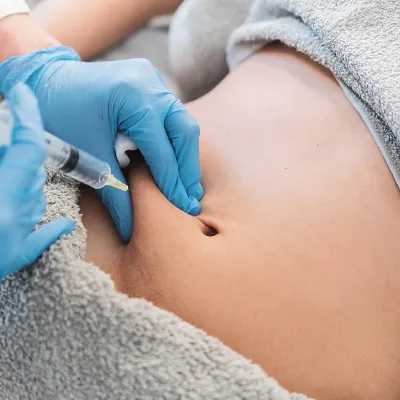

Some areas of fat can remain noticeable even when a person follows a balanced diet and stays physically active. For people dealing with these localized deposits, Adipose Lipolysis Injections in Dubai may be considered as a minimally invasive option for targeted fat reduction. These treatments are designed to act on fat cells in selected areas, potentially helping improve body contours without surgical fat removal. However, suitability depends on the type of fat, treatment area, injectable product, and individual health.
What Is Stubborn Fat?
Stubborn fat generally refers to localized fat deposits that are difficult to reduce through diet and exercise alone.
Common areas can include the abdomen, flanks, thighs, upper arms, and beneath the chin. Genetics, hormones, age, body composition, and fat distribution can all influence where the body stores fat.
Having stubborn fat does not necessarily mean that someone is overweight. A person can have a healthy body weight while still having small areas of unwanted fullness.
This is why localized fat-reduction treatments are generally focused on contouring rather than overall weight loss.
How Can Lipolysis Injections Target Stubborn Fat?
Certain injectable fat-reduction treatments are designed to affect fat cells within the treated area.
Depending on the active ingredient, the injection can disrupt the fat cells, after which the body gradually processes the affected cellular material.
The treatment is therefore different from simply trying to reduce body weight. Instead, it focuses on a selected area where localized fat is present.
The exact mechanism and suitability depend on the particular product being used. Different injectable lipolysis products do not have identical indications or evidence.
Are They Effective for Localized Fat?
Injectable lipolysis can be useful for selected localized fat deposits, particularly when the amount of fat is relatively small.
One of the best-established examples is deoxycholic-acid treatment for submental fat beneath the chin. Appropriate patients may experience a gradual reduction in fullness and improved definition in this area.
Other injectable approaches may be marketed for different parts of the body, but their evidence and regulatory status can vary.
For this reason, the specific injectable and treatment area should be evaluated rather than assuming that every fat-dissolving injection is suitable for all stubborn-fat concerns.
Can They Help When Diet and Exercise Are Not Enough?
Yes, this is one situation in which localized fat-reduction treatment may be considered.
Diet and exercise can reduce overall body fat, but they cannot always determine exactly where fat is lost. Some areas may remain fuller because of individual fat distribution and genetics.
Injectable contouring can potentially address a selected deposit rather than trying to reduce fat throughout the entire body.
However, it should be used as a body-contouring approach rather than a replacement for a healthy lifestyle.
Can They Treat a Double Chin?
A double chin is a common example of localized fat that may remain despite a healthy body weight.
For suitable adults with moderate-to-severe submental fullness, deoxycholic-acid injections can reduce fat beneath the chin.
As the treated fat decreases, the lower face may appear more defined and the transition between the chin and neck may become clearer.
The final appearance depends on more than fat volume. Skin elasticity, chin structure, jaw shape, and the amount of existing loose skin can all influence the result.
Can They Treat Stubborn Abdominal Fat?
The abdomen is often associated with stubborn fat, but injectable treatment is not automatically appropriate for every abdominal fat concern.
Large amounts of abdominal fat, visceral fat, significant skin laxity, or generalized weight gain require a different assessment.
Injectable lipolysis is more relevant to localized subcutaneous fat when a suitable product is specifically intended for that area.
The practitioner should first determine whether the fullness is caused by a small superficial fat deposit or another factor.
What About Stubborn Fat on the Thighs and Arms?
Localized fat on the thighs or arms can affect body proportions even when overall weight is stable.
Various injectable lipolysis approaches have been used or investigated for different body areas, but the suitability of treatment depends on the exact product.
It is important not to assume that evidence for one treatment area automatically applies to another.
A medical professional should evaluate the area, skin quality, amount of fat, and available treatment options before recommending injections.
Does Injectable Lipolysis Remove All Stubborn Fat?
No. Injectable fat reduction is not designed to remove every fat cell from an area.
The goal is generally to reduce a selected amount of localized fat and improve the contour.
The final result can therefore be subtle or moderate rather than equivalent to extensive surgical fat removal.
If a person has a large amount of excess fat and wants a significant change in body shape, a surgical procedure such as liposuction may be more appropriate.
How Long Does It Take to See Results?
Results usually develop gradually rather than appearing immediately.
After treatment, the area can temporarily become swollen, tender, red, bruised, firm, or numb. These effects can make the treated area look different during the early recovery period.
As the temporary effects settle and the body processes the affected fat cells, the actual contour improvement becomes easier to assess.
The timing varies according to the product, treatment area, number of sessions, and individual response.
How Many Sessions May Be Needed?
The number of treatments depends on several factors.
These may include:
- Size of the fat deposit
- Location of the treatment area
- Type of injectable used
- Desired degree of improvement
- Individual response
- Skin elasticity
Some people may notice improvement after an initial treatment, while others may need multiple sessions.
For established deoxycholic-acid treatment of submental fat, treatment may involve several sessions separated by several weeks.
Additional treatment should only be considered after the area has had enough time to recover and the response has been properly assessed.
Can Stubborn Fat Return After Treatment?
The long-term result depends on the treatment used and how the body responds.
When a treatment permanently destroys targeted fat cells, those specific cells do not simply regenerate. However, remaining fat cells can increase in size if a person gains significant weight.
This means that maintaining a relatively stable weight can help support the contour achieved through treatment.
Injectable fat reduction should therefore be viewed as a contouring treatment rather than protection against future weight gain.
Does Treatment Also Tighten the Skin?
Not necessarily.
Reducing fat and tightening skin are separate goals. Someone with good skin elasticity may experience a smoother contour after localized fat reduction.
However, people with substantial skin laxity may continue to have loose or sagging skin after the fat is reduced.
Age, previous weight loss, pregnancy, genetics, and skin elasticity can all affect how the skin responds to changes in underlying fat.
A consultation should therefore assess both fat volume and skin quality.
Is Injectable Lipolysis Suitable for Everyone?
No. Some people may not be appropriate candidates.
A professional assessment is particularly important if someone has:
- Significant excess weight
- Large fat deposits
- Major skin laxity
- An active skin infection
- Certain medical conditions
- A history of significant reactions to injectable treatments
- Unrealistic expectations about fat reduction
The suitability also depends on the specific injectable and whether its use is established or authorized for the intended treatment area.
What Are the Possible Side Effects?
Temporary side effects can occur after injectable fat-reduction treatment.
Possible reactions include:
- Swelling
- Bruising
- Redness
- Tenderness
- Pain or discomfort
- Numbness
- Firmness
- Temporary sensitivity
The risk profile varies according to the product, dosage, injection technique, and anatomical location.
Areas such as the chin and neck require particular care because important nerves and other structures are located nearby.
Treatment should therefore be performed by an appropriately qualified medical professional using a suitable product and technique.
How Does It Compare With Liposuction?
Both treatments can address localized fat, but they work very differently.
Injectable lipolysis uses injections and relies on the body to process affected fat cells over time.
Liposuction is a surgical procedure that physically removes fat from the body.
Injectable treatment may appeal to people with smaller localized deposits who want a minimally invasive approach. Liposuction may be more appropriate for larger deposits or people seeking more substantial contouring.
Neither approach is automatically better for every person. The right choice depends on anatomy, fat volume, skin quality, health, and treatment goals.
How Can You Improve the Chances of a Good Result?
A suitable treatment plan begins with proper assessment.
The practitioner should identify whether the concern is actually caused by localized fat and determine whether the selected injectable is appropriate for that area.
Following aftercare instructions can also support recovery. Patients should avoid unnecessary pressure or irritation of the treated area and follow any specific recommendations provided by their healthcare professional.
Maintaining a stable weight and healthy lifestyle can also help preserve the overall body contour.
What Should You Expect From Treatment?
A realistic expectation is gradual improvement rather than dramatic overnight fat removal.
The treated area may look swollen at first, and the final contour may take time to become apparent.
The aim is generally to reduce localized fullness enough to create a more balanced appearance.
A good treatment plan should focus on proportion, anatomy, and realistic improvement rather than trying to remove as much fat as possible.
Conclusion
Adipose lipolysis injections may be suitable for some people with stubborn, localized fat that remains despite maintaining a healthy lifestyle. They can provide a minimally invasive option for selected areas where a small reduction in fat may improve the overall contour.
However, not every fat-dissolving injectable is suitable for every body area. The evidence, approved uses, active ingredients, and safety considerations vary between products. Deoxycholic-acid injections have the strongest established use for submental fat, while other applications require careful consideration.
People with large fat deposits, significant loose skin, or general weight concerns may need a different treatment approach. A professional assessment can determine whether injectable lipolysis is appropriate and help establish realistic expectations for the result.
Frequently Asked Questions
Are Adipose Lipolysis Injections suitable for stubborn fat?
They may be suitable for selected small areas of localized fat, depending on the injectable being used and the treatment area.
Can stubborn fat be reduced without surgery?
Some injectable treatments can reduce selected localized fat deposits without surgery. However, their effectiveness depends on the specific product and treatment area.
Can Adipose Lipolysis Injections help with a double chin?
Yes. Deoxycholic-acid injections have an established use for reducing submental fat in suitable adults, which can improve the appearance of a double chin.
Are these injections suitable for large amounts of fat?
They are generally more appropriate for localized deposits rather than large amounts of excess fat. Larger fat deposits may require another treatment approach.
Do Adipose Lipolysis Injections help with weight loss?
No. They are intended for localized fat reduction and body contouring rather than general weight loss.
How quickly do stubborn-fat results appear?
Improvement develops gradually. Temporary swelling and other treatment-related effects may occur before the final contour can be assessed.
Can stubborn fat return after treatment?
Remaining fat cells can enlarge if significant weight gain occurs. Maintaining a stable weight can help preserve the overall contour.
Do these injections tighten loose skin?
Not necessarily. Fat reduction does not automatically correct significant skin laxity.
How many treatments are required?
The number varies depending on the treatment area, product, amount of fat, and individual response. Some treatments may require multiple sessions.
Who is a good candidate for injectable fat reduction?
Adults with relatively stable weight, small localized fat deposits, and realistic expectations may be considered. A qualified medical professional should assess suitability before treatment.

