


Mole Removal: Common Questions Patients Ask
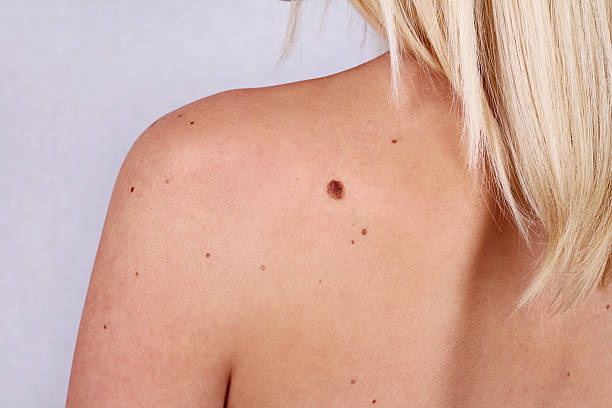
Moles are common skin growths that can appear on almost any area of the body. While many are harmless, some people consider removal because of cosmetic concerns, repeated irritation, or changes that require professional evaluation. Understanding how mole removal works, what recovery may involve, and when medical assessment is appropriate can help you make an informed decision. If you are considering mole removal riyadh, a professional consultation can help determine whether removal is suitable for your specific skin concern.
What Is Mole Removal?
Mole removal refers to procedures used to remove unwanted or medically concerning moles from the skin. The appropriate technique depends on factors such as the mole's size, shape, location, depth, appearance, and reason for removal.
Some moles may be removed primarily for cosmetic reasons, while others may require removal so the tissue can be examined. A qualified professional should assess the mole before treatment rather than relying on home-removal methods.
Why Do Patients Choose Mole Removal?
Cosmetic Concerns
A prominent mole on the face, neck, arms, or another visible area may affect a person's confidence or overall appearance. Removing a suitable mole can create a smoother-looking skin surface.
Medical Considerations
A mole that changes in size, shape, color, or texture may require professional assessment. Bleeding, crusting, persistent itching, or other unusual symptoms can also warrant evaluation. If a mole appears suspicious, a specialist may recommend removal and laboratory examination of the tissue.
Is Every Mole Suitable for Removal?
Not necessarily. Each mole should be assessed individually before treatment. Some moles may simply be monitored, while others may be suitable for removal.
The decision can depend on the mole's characteristics, its location, whether it is causing irritation, and whether there are features that require medical investigation.
What Techniques Are Used for Mole Removal?
Shave Removal
A shave technique removes a raised portion of selected moles from the skin surface. It may be considered when appropriate after professional evaluation.
Surgical Excision
Excision involves removing the mole and, when appropriate, surrounding tissue. The wound may be closed with stitches depending on its size and location. This method can also allow removed tissue to be examined when medically indicated.
The most appropriate technique should be selected by a qualified provider based on the individual mole rather than simply choosing the method with the shortest recovery period.
Does Mole Removal Hurt?
The level of discomfort varies according to the technique and the individual. Local anesthesia may be used for procedures that require it, helping minimize discomfort during treatment.
Afterward, some temporary tenderness, redness, swelling, or sensitivity may occur. Your provider can explain what to expect and how to care for the area during recovery.
How Long Does Recovery Take?
Healing time varies depending on the size and depth of the treated area, removal technique, location, and individual skin response. Some superficial treatment sites may heal within a relatively short period, while surgical wounds can require longer care.
A scab or crust may form during healing. It is important not to pick or scratch the area and to follow your provider's wound-care instructions. After Mole Removal in Riyadh, your specialist can provide personalized guidance about returning to normal skin-care products and activities.
Will Mole Removal Leave a Scar?
Scarring is possible because mole removal involves removing skin tissue. The likelihood and appearance of a scar depend on the technique, size and depth of the mole, location, skin type, and individual healing response.
Some scars gradually become less noticeable as the skin remodels. Following appropriate aftercare and protecting the healing area from excessive sun exposure may support a better cosmetic outcome.
Can I Remove a Mole at Home?
Home mole-removal methods are not recommended. Cutting, burning, or applying unapproved products to a mole can result in bleeding, infection, burns, or scarring.
More importantly, removing a mole without professional evaluation may delay appropriate assessment of a lesion that requires medical attention. A qualified skin specialist should evaluate the mole before any removal procedure.
What Should I Tell My Specialist Before Treatment?
During a consultation, mention any noticeable changes in the mole, previous skin procedures, allergies, medications, or other relevant medical information. Tell your provider if the mole has recently started bleeding, itching, crusting, or changing in appearance.
Providing a clear history can help the specialist determine the most appropriate approach and whether further evaluation is needed.
What Happens After the Mole Is Removed?
After treatment, you may receive instructions for keeping the area clean and protected. Depending on the procedure, a dressing may be recommended, and a follow-up appointment may be arranged.
If tissue has been removed because the mole appeared suspicious, it may be sent for pathological examination. Your provider can explain the results and whether any additional follow-up is needed.
When Should I Seek Professional Advice?
Any mole that is changing or developing unusual symptoms should be professionally assessed. Important warning signs can include changes in size, shape, or color, irregular borders, unexplained bleeding, persistent crusting, itching, or pain.
The ABCDE approach—Asymmetry, Border, Color, Diameter, and Evolving—can help with general mole awareness, but it is not a diagnostic tool. Professional evaluation remains important when a mole looks or behaves differently.
Choosing Professional Mole Removal
A personalized assessment is important because there is no single technique suitable for every mole. A qualified provider can evaluate the skin, discuss your goals, explain potential risks and recovery, and determine whether removal or monitoring is more appropriate.
For people exploring Mole Removal in Riyadh, professional guidance can provide clearer expectations and help ensure that any medically concerning skin changes receive appropriate attention.
Book an Appointment at Royal Clinic Saudia
If you have an unwanted or changing mole and would like professional guidance, Royal Clinic Saudia can assess your skin and discuss suitable options. For those considering Mole Removal in Riyadh, a consultation can help you understand the recommended approach, recovery process, and aftercare requirements.
FAQs:
Is mole removal only performed for cosmetic reasons?
No. Moles may be removed for cosmetic concerns, repeated irritation, or medical reasons when professional evaluation indicates that removal is appropriate.
How do I know if my mole needs professional assessment?
Seek advice if it changes in size, shape, color, or texture, or develops symptoms such as bleeding, crusting, persistent itching, or pain.
Can mole removal completely prevent a scar?
No procedure can guarantee scar-free healing. The final appearance depends on the removal technique, wound characteristics, location, and individual healing response.
How should I care for my skin after mole removal?
Keep the area clean and protected as directed, avoid picking or scratching, and follow your provider's instructions regarding skin-care products and sun protection.
Categories
- Artificial Intelligence (AI)
- Technology
- Business
- Education
- Science
- Lifestyle
- Healthcare
- Entertainment
- Politics
- Environment
- Travel
- Finance
- Automobile
- News
- Art
- Causes
- Crafts
- career
- Dance
- Drinks
- Film
- Fitness
- Food
- Games
- Gardening
- Health
- Home
- Literature
- Music
- Networking
- Other
- Party
- Religion
- Shopping
- Sports
- Theater
- Wellness
Read More
Why Candy Cloud Matters Today Candy makes people happy. It reminds us of childhood, celebrations, and small joys. Candy Cloud takes that feeling and turns it into a modern idea. It mixes sweets with smart branding and online reach. That is why it matters today. People do not just buy candy anymore. They buy experiences, colors, flavors, and memories. In short, Candy Cloud is not just about...

A pregnancy blood test is one of the earliest and most reliable methods for confirming pregnancy. Unlike home pregnancy tests that analyze urine, a blood test measures the presence of human chorionic gonadotropin (hCG) directly in the bloodstream. Since hCG appears in the blood shortly after implantation, this laboratory test can identify pregnancy before many people experience noticeable...
The Quiet Reality After a Long Business Day You landed this morning. The meetings went as planned. The presentations were sharp. The clients were impressed. On paper, everything looks successful. But now the day is over. The suit is hanging in the wardrobe. The city lights are glowing outside the window of another expensive suite. And for the first time since you arrived, the silence feels...

According to the latest report published by Data Bridge Market Research, the Airport Ground Support Equipment (GSE) Market CAGR Value As per Data Bridge Market Research analysis, the airport ground support equipment (GSE) market was valued at USD 6.16 billion in 2025 and is projected to reach USD 9.59 billion by 2033, growing at a CAGR of 5.7% from 2026 to 2033. Airport...

Modern smart factories rely heavily on high-speed automation and precise robotics to run production lines smoothly. To maintain high quality, automated assembly setups use an industrial machine vision interconnect to link high-resolution cameras directly to processing computers. These systems capture and analyze images of parts on the fly, spotting defects instantly so the assembly line can...

