How Skin Type Can Affect Laser Hair Removal Results

Laser hair removal can provide long-term reduction in unwanted hair, but the results can vary from one person to another. One of the important factors influencing treatment response is skin type. Skin tone, hair color, hair thickness, sensitivity, and the way the skin responds to heat can all affect how laser energy should be delivered. Understanding these differences helps patients have more realistic expectations and supports safer, more personalized treatment.
Why Skin Type Matters in Laser Hair Removal
Laser hair removal works by directing concentrated light toward the pigment in the hair follicle. The absorbed energy generates heat that damages the follicle and reduces its ability to produce hair. Because skin also contains pigment, especially in darker skin tones, the treatment needs to be carefully adjusted to target the hair while minimizing unnecessary heating of the surrounding skin.
This is why Laser Hair Removal in Riyadh (إزالة الشعر بالليزر في الرياض) should be planned according to individual skin characteristics rather than using identical settings for every patient. A professional assessment can help determine the appropriate laser technology, energy level, pulse duration, and treatment approach.
How Different Skin Tones May Respond to Treatment
Light Skin
People with lighter skin and darker hair have traditionally been considered strong candidates for laser hair reduction because the contrast between the hair pigment and skin pigment allows the laser to distinguish the follicle more easily. However, the exact treatment settings still need to be selected according to hair thickness, treatment area, and individual sensitivity.
Medium Skin Tones
Medium skin tones can also respond well to laser hair removal when the treatment is appropriately customized. The practitioner may consider factors such as natural pigmentation, tanning, hair density, and previous reactions to treatments when choosing suitable settings.
Darker Skin Tones
Darker skin contains more melanin, which means some laser energy may be absorbed by the skin as well as the hair. This can increase the importance of choosing suitable laser technology and carefully controlling treatment parameters. Experienced professionals may use approaches designed to provide effective hair reduction while helping minimize the risk of unwanted pigmentation or irritation.
The Role of Hair Color and Thickness
Skin type is only one part of the equation. Hair characteristics also have a major influence on treatment response. Dark, coarse hair generally contains more pigment and may respond more readily to laser energy than very fine or lightly pigmented hair.
Blonde, gray, white, or red hair can be more challenging because they contain less of the pigment that many laser systems target. This does not necessarily mean treatment is impossible, but expectations should be discussed during the consultation.
How Tanning Can Change Treatment Considerations
Recent tanning can temporarily increase the amount of pigment in the skin. This may change how the skin interacts with laser energy and can increase the risk of irritation or pigmentation changes if treatment is performed without appropriate precautions.
Patients should tell their practitioner about recent sun exposure, tanning, or the use of tanning products before a session. Depending on the circumstances, treatment may need to be adjusted or postponed until the skin is in a more suitable condition.
Personalized Laser Settings Can Improve Treatment Safety
Professional laser hair removal is not simply about selecting a device and applying it to the skin. Treatment settings can be adjusted based on skin tone, hair characteristics, treatment area, previous response, and individual sensitivity.
During Laser Hair Removal in Riyadh, a qualified practitioner can assess these factors and determine an appropriate treatment plan. Starting with suitable settings and monitoring the skin's response can help balance effective follicle targeting with skin safety.
Why Treatment Areas Can Respond Differently
Even on the same person, different parts of the body may respond differently. Facial hair, underarm hair, leg hair, and bikini-area hair can vary in thickness, density, growth pattern, and sensitivity.
For example, coarse hair may require a different approach from fine facial hair. Areas with more sensitive skin may also require additional attention to comfort and treatment settings. This is why treatment parameters may change from one body area to another.
What Patients Can Do Before Treatment
Preparing the skin properly can support a smoother treatment experience. Patients are generally advised to follow their provider's instructions regarding shaving, sun exposure, skincare products, and other hair-removal methods before their appointment.
Avoiding unnecessary irritation and informing the practitioner about recent skin treatments or medications can also help with treatment planning. Waxing or plucking the hair immediately before laser treatment may interfere with the follicle-targeting process, so patients should follow the specific preparation instructions provided by their clinic.
What to Expect After Laser Hair Removal
Mild redness, warmth, or temporary sensitivity can occur after treatment. These effects usually settle with appropriate aftercare, although the skin's response can vary depending on individual sensitivity and the treatment area.
Patients should follow their provider's aftercare recommendations and protect treated skin from excessive sun exposure. If unusual or persistent skin changes occur, contacting the treatment provider is important.
How Multiple Sessions Influence Results
Laser hair removal usually requires multiple sessions because hair grows through different stages, and laser treatment is most effective when the follicle is in an appropriate growth phase. The number and timing of sessions can vary based on skin type, hair characteristics, body area, hormonal influences, and individual response.
With a personalized treatment plan, repeated sessions can progressively reduce unwanted hair. Maintenance treatments may also be recommended for some individuals over time.
Choosing a Professional Treatment Approach
Skin type should never be treated as an afterthought when planning laser hair removal. A professional assessment allows the practitioner to evaluate pigmentation, hair characteristics, previous treatment history, and skin sensitivity before deciding how treatment should be performed.
For individuals considering Laser Hair Removal in Riyadh, choosing a professional clinic with appropriate technology and experienced practitioners can make an important difference in treatment planning. The goal is to provide a carefully customized approach rather than applying the same settings to every patient.
Book an Appointment at Royal Clinic Saudia
If you are considering laser hair removal, Royal Clinic Saudia ( عيادات رويال كلينك ) can help you understand how your skin type, hair characteristics, and treatment area may influence your treatment plan. A professional consultation can help determine a suitable approach based on your individual needs and expectations. Discussing your goals before treatment is an important step toward a safe and personalized experience.
With the right assessment and individualized settings, Laser Hair Removal in Riyadh can be a practical option for reducing unwanted hair and achieving smoother-looking skin over time.
FAQs:
Does darker skin require different laser settings?
Yes. Darker skin may require carefully selected technology and settings to reduce unnecessary absorption of laser energy by surrounding skin.
Can laser hair removal work on light hair?
Laser treatment generally works best on pigmented hair. Very light, gray, or white hair may respond less effectively because it contains little pigment.
Does tanning affect laser hair removal?
Recent tanning can affect treatment safety and may increase the risk of unwanted skin reactions. Always inform your practitioner about recent sun exposure.
Will every body area respond the same way?
No. Hair thickness, density, growth patterns, and skin sensitivity can differ between body areas, so treatment settings may be adjusted accordingly.
Categories
- Artificial Intelligence (AI)
- Technology
- Business
- Education
- Science
- Lifestyle
- Healthcare
- Entertainment
- Politics
- Environment
- Travel
- Finance
- Automobile
- News
- Art
- Causes
- Crafts
- career
- Dance
- Drinks
- Film
- Fitness
- Food
- Games
- Gardening
- Health
- Home
- Literature
- Music
- Networking
- Other
- Party
- Religion
- Shopping
- Sports
- Theater
- Wellness
Read More
The Abrasive Wheels offer practical solutions for removing excess material and refining surfaces with controlled abrasive action. They can be manufactured with different grit sizes, bonding systems, and dimensions for specific applications. The Abrasive Wheels Market size is projected to reach US$ 17.8 billion by 2031, increasing from US$ 11.51 billion in 2023. The market is expected to...

The Superhard Materials Market is witnessing steady growth driven by increasing demand across industries such as manufacturing, automotive, electronics, mining, and construction. Superhard materials, including diamond and cubic boron nitride, are known for their exceptional hardness, wear resistance, and thermal conductivity, making them essential for high-performance cutting,...

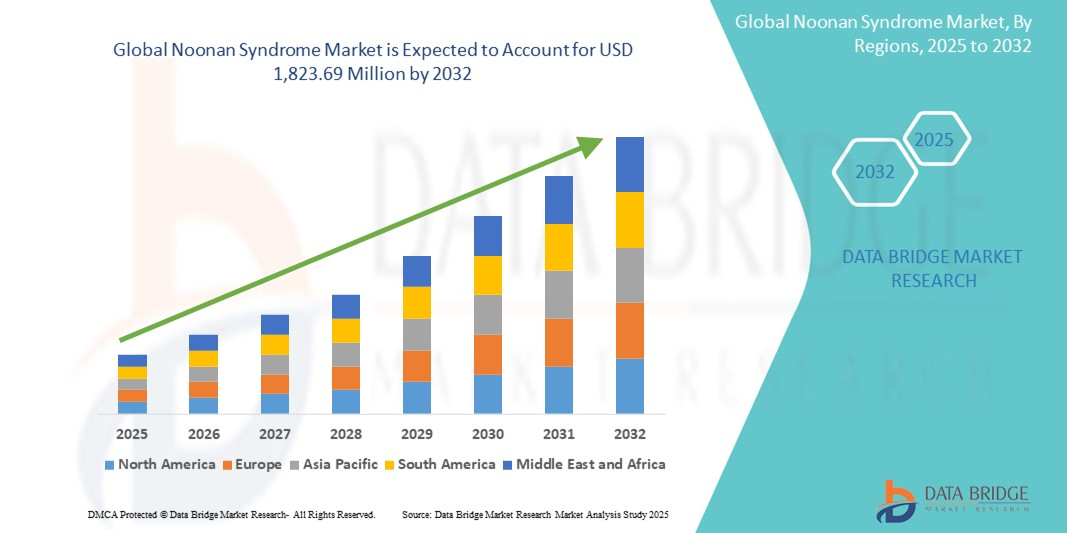
According to the latest report published by Data Bridge Market Research, the Noonan Syndrome Market CAGR Value The global Noonan syndrome market size was valued at USD 861.98 million in 2024 and is expected to reach USD 1,823.69 million by 2032, at a CAGR of 9.82% during the forecast period This global Noonan Syndrome Market report is...
Online sports betting has evolved significantly over the years. While many beginners are familiar with traditional betting markets, exchange betting remains a concept that often confuses new users. However, exchange betting has become increasingly popular among experienced bettors because it offers greater flexibility, more betting opportunities, and a different way to approach sports...

The global expansion of branchless financial platforms is powered by shifting consumer preferences, increasing smartphone usage, and a growing enterprise demand for streamlined financial tools. The continuous multi-year expansion of the Neobanking Market Growth reflects a structural shift away from physical banking branches toward mobile-first account management. Consumers and business owners...