What Happens If You Take Too Much Ozempic?
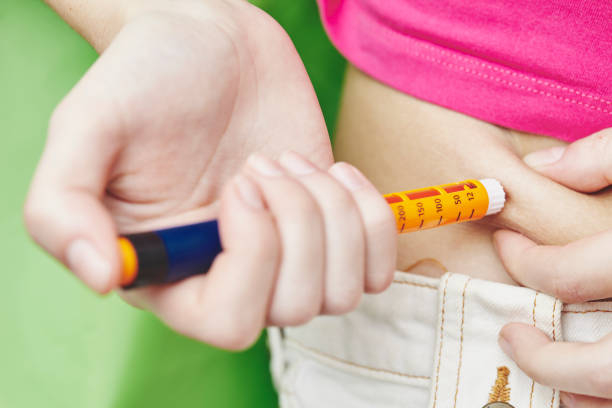
Taking medication exactly as prescribed is important, particularly when using a prescription injectable such as Ozempic. If you are receiving Ozempic Injections in Riyadh, understanding what may happen after taking more than the prescribed amount can help you respond appropriately. Ozempic contains semaglutide, a GLP-1 receptor agonist used for specific adults with type 2 diabetes alongside diet and exercise. Because semaglutide remains in the body for an extended period, an excessive dose may require medical observation and supportive care.
What Happens If You Take Too Much Ozempic?
An Ozempic overdose may increase the severity or duration of side effects, particularly gastrointestinal symptoms. The FDA prescribing information states that treatment after an overdose should be based on the person's clinical signs and symptoms, and prolonged observation may be necessary because Ozempic has a long half-life of approximately one week.
Possible Symptoms After an Excessive Dose
Taking more Ozempic than prescribed may lead to significant nausea, vomiting, diarrhea, abdominal discomfort, or other gastrointestinal problems. The severity can vary depending on the amount taken and the individual's health and other medications. These symptoms can also contribute to dehydration if vomiting or diarrhea is substantial.
Why the Effects May Last
Semaglutide has a long duration in the body, which means symptoms following an overdose may not disappear immediately. This is why the FDA labeling notes that prolonged observation and treatment may be required depending on the person's condition.
What Should You Do If You Accidentally Take Too Much?
If you believe you have taken more Ozempic than prescribed, do not take another dose to compensate or attempt to manage a significant overdose on your own. Contact your healthcare professional promptly for advice about the amount taken and any symptoms you are experiencing. In an actual overdose, medical professionals can determine whether monitoring or supportive treatment is necessary.
Do Not Wait for Severe Symptoms
A person may initially feel well even after taking too much medication. Because the effects can develop or persist over time, contacting a healthcare professional promptly is more appropriate than waiting for symptoms to become severe.
Can Too Much Ozempic Cause Low Blood Sugar?
Ozempic can increase the risk of hypoglycemia, particularly when it is used with insulin or an insulin secretagogue such as a sulfonylurea. Taking more than prescribed may make medication-related problems more difficult to manage, especially when other glucose-lowering medicines are involved. Your healthcare professional should know about all medicines and supplements you are taking.
Recognizing Concerning Symptoms
Symptoms such as shakiness, sweating, weakness, confusion, dizziness, or a rapid heartbeat can occur with low blood sugar. If you use Ozempic together with other diabetes medicines and develop symptoms suggestive of hypoglycemia, seek medical guidance about the appropriate response.
Can an Ozempic Overdose Cause Dehydration?
Yes. Significant vomiting or diarrhea can cause fluid loss and dehydration. This can become more concerning when symptoms are persistent or severe. Maintaining appropriate fluid intake may be important, but a person who cannot keep fluids down should seek medical attention rather than relying solely on home management.
When Should You Seek Urgent Medical Care?
Severe or persistent abdominal pain, especially when accompanied by vomiting, requires prompt medical evaluation because pancreatitis is an important potential adverse reaction associated with Ozempic. Difficulty breathing, facial or throat swelling, or other signs of a serious allergic reaction also require urgent medical attention.
Does an Ozempic Overdose Require Hospital Treatment?
Not every accidental excessive dose will necessarily result in the same treatment. The appropriate response depends on the person's symptoms, the amount taken, other medicines being used, and overall health. The FDA recommends supportive treatment based on clinical signs and symptoms and notes that extended observation may sometimes be necessary.
Why Individual Assessment Matters
There is no universal home treatment for an Ozempic overdose. A healthcare professional can assess the circumstances and determine whether monitoring, hydration support, glucose monitoring, or other care is appropriate.
How Can You Prevent an Ozempic Overdose?
Following the prescribed treatment schedule is one of the simplest ways to reduce the risk of medication errors. Keep track of your weekly injection day and follow the instructions provided by your healthcare professional. Do not increase your dose because you believe the medication is not producing an immediate effect.
Store and Use the Medication Correctly
Keep your medication according to its prescribed storage instructions and make sure you understand the injection device before using it. If you are uncertain about whether you already took your weekly injection, contact your healthcare professional or pharmacist rather than taking an additional dose without guidance.
What If You Took Too Much Ozempic by Mistake?
An accidental extra dose should be taken seriously, even if you currently feel normal. Contact a healthcare professional or appropriate poison-information service for guidance, particularly if you are experiencing symptoms. The FDA prescribing information specifically recommends considering Poison Help or a medical toxicologist for overdose management.
Book an Ozempic Consultation at Royal Clinic Saudia
If you have questions about Ozempic safety, dosing, side effects, or medication management, professional guidance can help you use treatment responsibly. Royal Clinic Saudia can provide a consultation to discuss your individual health needs and appropriate medical follow-up.
FAQs
What happens if you accidentally take too much Ozempic?
An excessive dose can increase or prolong adverse effects, particularly gastrointestinal symptoms such as nausea and vomiting. Medical assessment may be necessary because semaglutide remains in the body for an extended period.
Should you take another Ozempic dose after taking too much?
Do not take additional Ozempic unless your healthcare professional specifically tells you to do so. Contact your healthcare provider for individualized instructions after an accidental extra dose.
Can too much Ozempic make you sick?
Yes. Taking more than prescribed can increase the likelihood or severity of side effects, including gastrointestinal symptoms. Persistent vomiting or diarrhea can also contribute to dehydration.
When should you seek emergency help after taking too much Ozempic?
Seek urgent medical attention for severe or persistent abdominal pain, difficulty breathing, swelling of the face or throat, severe weakness, confusion, or other serious symptoms. If you believe you have overdosed, contact a healthcare professional promptly rather than waiting for symptoms to worsen.
Categories
- Artificial Intelligence (AI)
- Technology
- Business
- Education
- Science
- Lifestyle
- Healthcare
- Entertainment
- Politics
- Environment
- Travel
- Finance
- Automobile
- News
- Art
- Causes
- Crafts
- career
- Dance
- Drinks
- Film
- Fitness
- Food
- Games
- Gardening
- Health
- Home
- Literature
- Music
- Networking
- Other
- Party
- Religion
- Shopping
- Sports
- Theater
- Wellness
Read More
Preventive healthcare focuses on identifying potential health concerns before they develop into serious medical conditions. Instead of waiting for symptoms to appear, regular health screenings allow healthcare professionals to monitor changes within the body and recommend early interventions when necessary. Among the most valuable screening tools available today is the full blood test, a...
The Flexible Endoscopes Market is witnessing strong expansion as healthcare providers increasingly adopt minimally invasive diagnostic and therapeutic procedures. According to Market Research Future, the market was valued at USD 11.69 billion in 2024 and is projected to increase from USD 12.62 billion in 2025 to USD 27.03 billion by 2035, representing a CAGR of 7.92% during the forecast...

Synthetic liquid fuels, produced via GTL and similar technologies, represent a strategic alternative to conventional crude oil-derived fuels. They offer the potential to enhance energy security, reduce dependence on imported oil, and provide a pathway for integrating renewable energy into the liquid fuel supply chain. Industry observations from Market Research Future confirm that the...

A Paradigm Shift in Human-Computer InteractionIn a world increasingly saturated with digital devices, the way we interact with technology is undergoing a fundamental and profound revolution. The global Gesture Recognition industry is at the vanguard of this change, pioneering the technologies that allow machines to understand and respond to human movements. This dynamic sector is...

When your skin looks tired, dull, or less hydrated than usual, even a carefully planned skincare routine may not deliver the refreshed appearance you want. If you are exploring the best skin booster injection dubai, it helps to understand how these treatments work and why they have become popular for people seeking smoother, more radiant-looking skin. Skin boosters are designed to improve skin...