Can PRP Hair Treatment Strengthen Weak Hair Follicles?
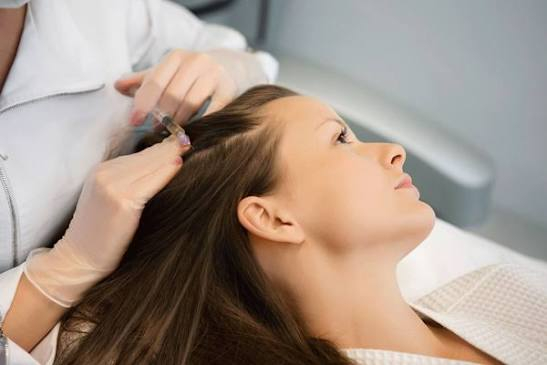
Weak or miniaturized hair follicles can gradually lead to thinner strands, reduced density, and increased scalp visibility. This is especially common with androgenetic alopecia, where genetically sensitive follicles gradually become smaller and produce finer hairs. For people exploring علاج الشعر بالبلازما الغنية بالصفائح الدموية في دبي, PRP hair treatment may offer a minimally invasive way to support existing follicles and improve the appearance of thinning hair. Clinical research has found that PRP can increase hair density in some people, although its effect on hair thickness is less consistent and results vary between treatment protocols.
What Makes a Hair Follicle Weak?
Hair follicles do not always stop producing hair suddenly. In many cases, particularly with pattern hair loss, the follicles gradually become smaller through a process known as miniaturization.
As a follicle becomes weaker, it may produce:
-
Finer individual hairs
-
Shorter hairs
-
Less pigmented hairs
-
Slower-growing hairs
-
Reduced overall hair density
Over time, this can make the scalp more visible even when the follicles have not completely stopped producing hair.
The earlier this process is identified, the more opportunity there may be to support follicles that are still active.
How Does PRP Work on Weak Hair Follicles?
PRP stands for platelet-rich plasma. It is prepared from a small sample of the patient's own blood. The sample is processed to concentrate platelets before the resulting plasma is delivered into selected areas of the scalp.
Platelets contain growth factors and other signaling substances involved in tissue repair and cellular activity. Researchers believe these substances may influence the environment surrounding hair follicles and potentially support follicular activity.
PRP is therefore not intended to create brand-new follicles. Instead, its potential role is to support follicles that are already present but producing weaker hair.
Can PRP Actually Strengthen Hair Follicles?
The answer depends on what is meant by "strengthen."
PRP may support the activity of weakened follicles and can potentially improve overall hair density. However, current evidence does not establish that PRP permanently reverses follicular miniaturization or restores every follicle to its previous condition.
A recent systematic review and meta-analysis of 43 randomized controlled trials found that PRP was associated with increased hair density and reduced hair loss, while a significant improvement in hair thickness was not demonstrated in that analysis.
This distinction is important. A treatment can improve the appearance and density of hair without completely reversing the biological process responsible for follicle weakening.
Can PRP Help With Miniaturized Hair?
Miniaturized hairs are often associated with androgenetic alopecia, also known as male or female pattern hair loss.
In this condition, genetically susceptible follicles can gradually become smaller. The hairs produced by these follicles become finer and may eventually become difficult to see.
Research has found potential benefits from PRP in androgenetic alopecia. A systematic review and meta-analysis of randomized controlled trials found that PRP increased hair density at three and six months compared with placebo.
Another 2024 meta-analysis found an average increase in hair density following PRP treatment, although the authors rated the evidence as low quality because of substantial variation between studies and possible publication bias.
Therefore, PRP may be useful for selected cases, but it should not be described as a guaranteed method of reversing miniaturization.
Why Are Active Follicles Important?
PRP works by supporting biological activity around existing follicles. If follicles are still active and producing fine hairs, there may be more potential for improvement than in an area where follicles have been permanently lost.
This is one reason early assessment of hair thinning can be valuable.
A professional may look for:
-
Fine or miniaturized hairs
-
Reduced density
-
Patterned thinning
-
Scalp visibility
-
Changes around the crown
-
Recession around the temples
-
Widening of the central part
The presence of fine hairs can indicate that follicles remain active, although only a proper assessment can determine whether PRP is appropriate.
Can PRP Improve Hair Density?
Hair density is one of the outcomes most frequently studied with PRP.
A 2024 systematic review of randomized clinical trials found that PRP increased hair density in people with androgenetic alopecia compared with placebo, although the studies showed considerable heterogeneity and the evidence was considered low quality.
A newer systematic review and meta-analysis published in 2025 also found moderate evidence supporting improvements in hair density and reductions in hair loss. However, it did not find a significant overall benefit for hair thickness.
This means PRP may make thinning areas appear fuller for some patients without necessarily making every individual strand substantially thicker.
Can PRP Make Thin Hair Look Fuller?
Potentially, yes.
If PRP improves hair density or supports the activity of weakened follicles, the overall scalp may appear less visible. This can create a fuller-looking appearance even when individual hair strands do not undergo a dramatic increase in thickness.
The visual result can depend on:
-
Number of active follicles
-
Degree of miniaturization
-
Pattern of hair loss
-
Existing hair density
-
Individual response
-
Treatment protocol
-
Long-term hair-loss management
Photographs taken before and during treatment can help evaluate gradual changes more objectively.
Is PRP Effective for Genetic Hair Loss?
PRP has been most extensively studied in androgenetic alopecia.
This form of hair loss is influenced by genetic and hormonal factors and can affect both men and women. Because the underlying tendency remains, PRP should be considered a supportive treatment rather than a permanent cure.
Research has generally reported potential improvements in hair density, but systematic reviews have also highlighted limitations such as small study populations, inconsistent PRP preparation, different treatment schedules, and varying outcome measurements.
For this reason, the quality and personalization of the treatment plan matter.
What Happens During PRP Hair Treatment?
A typical PRP session begins with a small blood sample.
The blood is processed to separate and concentrate the platelet-rich portion. The prepared PRP is then injected into selected areas of the scalp using multiple small injections.
The treatment process may include:
-
Reviewing the history of hair loss
-
Examining the scalp
-
Identifying areas of reduced density
-
Collecting a blood sample
-
Preparing the PRP
-
Applying the PRP to targeted areas
-
Providing post-treatment instructions
The exact preparation and injection technique can differ between providers.
How Many Sessions Are Needed to Support Weak Follicles?
There is no universal PRP schedule because treatment protocols vary considerably.
Some clinical studies have used several initial sessions separated by a number of weeks, while other approaches include maintenance sessions afterward.
The appropriate schedule may depend on:
-
Severity of thinning
-
Cause of hair loss
-
Follicle condition
-
Treatment response
-
Scalp health
-
Other hair-loss treatments being used
A personalized treatment plan is generally more appropriate than assuming that every patient requires the same number of sessions.
When Can Changes Become Noticeable?
Hair growth takes time, so PRP does not produce immediate visible regrowth.
Research commonly evaluates changes several months after treatment. A systematic review of randomized controlled trials found significant improvements in hair density at three and six months compared with placebo.
Some people may notice changes in shedding or hair quality before a noticeable difference in density. Others may see more gradual changes.
Because hair grows slowly, consistent photographs can be useful for comparing progress.
Can PRP Prevent Further Follicle Weakening?
PRP may support existing follicles, but it should not be described as a guaranteed method of preventing future hair loss.
In genetic pattern hair loss, the biological factors responsible for follicle miniaturization can continue to operate. PRP may therefore form one part of a broader long-term hair management plan.
Early evaluation can be useful because it may identify thinning while follicles are still active.
Can PRP Be Combined With Other Hair-Loss Treatments?
In some cases, PRP may be combined with other treatments.
Research has investigated PRP alongside topical minoxidil, and combination therapy may offer additional benefits for some patients. However, the choice of treatment should depend on the individual's diagnosis, medical history, treatment tolerance, and goals.
PRP should not automatically replace established medical treatments when those treatments are appropriate.
Is PRP Suitable for Every Type of Hair Loss?
No. PRP is not designed for every cause of hair loss.
A different approach may be necessary when thinning is caused by:
-
Sudden illness-related shedding
-
Nutritional deficiencies
-
Hormonal changes
-
Certain medications
-
Active scalp inflammation
-
Scarring alopecia
-
Unexplained patchy hair loss
-
Long-standing areas with little or no follicular activity
Identifying the underlying cause should come before deciding whether PRP is appropriate.
What Are the Possible Side Effects?
PRP is minimally invasive, but injections can cause temporary local effects.
These may include:
-
Mild scalp tenderness
-
Redness
-
Swelling
-
Bruising
-
Temporary sensitivity
-
Discomfort around injection sites
Clinical reviews have generally found no serious treatment-related adverse events in the available randomized studies, although individual responses can vary.
Signs You Should Pay Attention To
Weakening hair follicles can develop slowly, but some changes deserve professional attention.
Consider an assessment if you notice:
-
Persistent increased shedding
-
Gradually finer hair
-
A widening part
-
Receding temples
-
Reduced crown density
-
More visible scalp
-
Sudden bald patches
-
Scalp pain, itching, scaling, or inflammation
Sudden or unusual hair loss should be assessed before starting a cosmetic treatment because the underlying cause may require a different form of management.
Checkpoint: Is PRP Suitable for Weak Hair Follicles?
Before choosing PRP, consider the following:
-
Are the follicles still producing hair?
-
What is causing the follicle weakening?
-
Is the thinning related to androgenetic alopecia?
-
How advanced is the miniaturization?
-
What level of improvement is realistic?
-
How will progress be monitored?
-
Could another treatment be more appropriate?
-
Will ongoing maintenance be required?
A professional consultation can help answer these questions and establish realistic expectations.
Dynamic Life Clinic: An Option to Consider for Weak Hair Follicles
Dynamic Life Clinic can be considered by people in Dubai who are exploring PRP for weak or thinning hair follicles. When choosing a provider, it is useful to consider whether the consultation addresses the underlying cause of hair loss rather than focusing only on the procedure.
A well-planned treatment should include scalp assessment, discussion of the pattern and duration of hair loss, evaluation of follicle activity, and a clear explanation of what PRP may realistically achieve.
This approach can help determine whether PRP is suitable on its own or whether another hair-loss treatment should also be considered.
Frequently Asked Questions
Can PRP strengthen weak hair follicles?
PRP may support the activity of existing weakened follicles and can improve hair density in some people. However, it has not been proven to permanently reverse follicle miniaturization or restore every weakened follicle.
Does PRP make individual hair strands thicker?
The evidence is mixed. Some earlier studies reported improvements in hair thickness, but a recent large systematic review and meta-analysis did not find a significant overall effect on hair thickness.
Is PRP useful for miniaturized hair follicles?
It may be useful when miniaturized follicles are still active, particularly in androgenetic alopecia. An assessment can help determine whether viable follicles remain in the thinning areas.
How long does PRP take to improve weak hair?
Hair changes usually take several months to become noticeable. Clinical studies commonly evaluate outcomes at three to six months, although individual responses can differ.
Can PRP permanently stop hair follicle weakening?
No. PRP should not be considered a permanent cure for genetic hair loss. It may support existing follicles, but the underlying tendency toward follicle miniaturization can continue.
Conclusion
PRP hair treatment may help support weak or miniaturized hair follicles, particularly when they are still active and the thinning is associated with androgenetic alopecia. Research provides evidence for improvements in hair density and reductions in hair loss, although the effect on individual hair thickness is less certain and treatment results vary. The goal should therefore be realistic: PRP may help create a more supportive environment for existing follicles and improve the overall appearance of thinning hair, but it cannot guarantee complete restoration or permanently reverse genetic hair loss. A professional assessment can determine the cause and stage of thinning and help establish whether PRP is an appropriate part of a personalized hair restoration plan.
Categories
- Artificial Intelligence (AI)
- Technology
- Business
- Education
- Science
- Lifestyle
- Healthcare
- Entertainment
- Politics
- Environment
- Travel
- Finance
- Automobile
- News
- Art
- Causes
- Crafts
- career
- Dance
- Drinks
- Film
- Fitness
- Food
- Games
- Gardening
- Health
- Home
- Literature
- Music
- Networking
- Other
- Party
- Religion
- Shopping
- Sports
- Theater
- Wellness
Read More
Heavy Lifting And Haulage Market Summary As per Market Research Future® analysis, the Heavy Lifting And Haulage Market Size was projected to reach USD 49.68 Billion by 2035, growing at a CAGR of 3.4% from 2025 to 2035. This growth will provide significant opportunities for the market during the forecast period, driven by...

Subsea Manifolds Market is supported by ongoing exploration and production activities in mature as well as emerging offshore basins. Companies are focusing on modular and customizable manifold solutions that can accommodate varying reservoir conditions and production requirements. The Subsea Manifolds Market is witnessing steady growth as offshore oil and gas exploration...
Geographic dynamics significantly shape the Nanocarrier Based Vaccine Market with distinct growth patterns across regions. North America leads with 42.9% market share, valued at USD 1,200 million in 2024 and projected to reach USD 3,500 million by 2035. The United States drives this dominance through robust biotechnology infrastructure, substantial NIH funding, and presence of major...
Super-resolution microscopy has transformed scientific imaging by enabling researchers to visualize structures beyond the diffraction limit of conventional optical microscopes. The technology has become an essential tool in advanced biological research, nanotechnology, and materials science applications. The Super-Resolution Microscopes Market Growth trajectory is accelerating due to increasing...

The Haptic Motors Market is experiencing strong growth as manufacturers increasingly integrate tactile feedback technologies into smartphones, wearable devices, gaming equipment, automotive systems, and consumer electronics. Haptic motors generate vibrations or tactile sensations that allow users to physically feel notifications, touch interactions, alerts, and system responses. As...