


How Does Morpheus8 Treatment Help Improve Skin Texture?
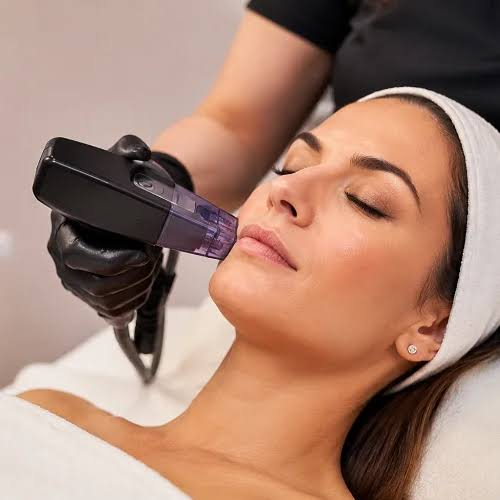
Uneven skin texture can make the face look rough, dull, or less smooth even when there are no major skin concerns. Enlarged pores, acne scars, fine lines, uneven skin surface, and gradual loss of skin firmness can all contribute to a textured appearance. Morpheus8 is a fractional radiofrequency microneedling treatment designed to deliver controlled energy into the deeper layers of the skin. For people considering Morpheus8 Treatment Dubai, understanding how the treatment works can help set realistic expectations about improving skin texture.
Morpheus8 combines microneedling with radiofrequency energy. The controlled treatment stimulates changes within the dermis that can support collagen remodeling and improve the appearance of irregular skin texture over time. Clinical research on fractional radiofrequency microneedling has reported improvements in acne scars, pore appearance, skin roughness, and other signs of uneven texture.
What Causes Uneven Skin Texture?
Skin texture can become uneven for several reasons. Some people naturally have more visible pores, while others develop textural changes following acne, sun exposure, aging, or repeated inflammation.
Common contributors include:
-
Enlarged or visible pores
-
Atrophic acne scars
-
Fine lines and wrinkles
-
Reduced skin firmness
-
Uneven collagen structure
-
Previous acne inflammation
-
Sun-related skin changes
-
Normal age-related changes
Different causes can produce different types of texture problems, so treatment should be selected according to the individual's skin condition.
What Is Morpheus8?
Morpheus8 is a radiofrequency microneedling technology. Very small needles enter the skin while delivering controlled radiofrequency energy at targeted depths.
The microneedles create precise treatment points, while radiofrequency energy generates controlled heat within the deeper skin layers. This process is intended to stimulate remodeling within the dermal tissue.
Rather than simply exfoliating the surface, the treatment works at deeper levels where collagen and other structural components of the skin are located.
How Does Morpheus8 Improve Skin Texture?
The main way radiofrequency microneedling may improve texture is through controlled dermal remodeling.
The treatment creates small areas of controlled injury and thermal stimulation. During the healing process, the skin produces and reorganizes structural proteins such as collagen.
Over time, this remodeling can help improve the appearance of:
-
Uneven skin surface
-
Acne-scar depressions
-
Enlarged pores
-
Fine lines
-
Mild textural irregularities
-
Early signs of skin laxity
Research on fractional radiofrequency microneedling has linked improvements in skin roughness and texture with changes in the dermal matrix.
Can Morpheus8 Help With Acne Scars?
Acne scars are one of the better-studied uses of fractional radiofrequency microneedling.
Atrophic acne scars occur when areas of the skin become depressed following acne-related inflammation and damage. These depressions can create shadows and irregularities that make the overall skin surface appear uneven.
Fractional radiofrequency microneedling may help remodel the deeper tissue and improve the appearance of these depressed areas.
A 2024 real-world study involving 126 patients found that fractional microneedle radiofrequency improved facial atrophic acne scars, with greater clinical improvement observed among patients who received more treatment sessions.
The degree of improvement depends on the type, depth, and severity of the scars. Deep or tethered scars may require a combination approach rather than one treatment alone.
Can It Reduce the Appearance of Large Pores?
Visible pores are another common contributor to uneven texture.
Fractional radiofrequency microneedling has been studied for enlarged facial pores as well as acne scars. Earlier clinical research found improvements in both pore appearance and skin surface roughness following fractional radiofrequency treatment.
Morpheus8 should not be described as permanently eliminating pores because pores are normal structures within the skin. The goal is instead to make their appearance less noticeable by improving surrounding skin structure and texture.
Can Morpheus8 Improve Fine Lines?
Fine lines can become more noticeable as collagen levels and skin elasticity change with age.
Radiofrequency microneedling may support collagen remodeling within the dermis, which can gradually improve the appearance of fine lines and other signs of photoaging.
A clinical study evaluating fractional radiofrequency for wrinkles and skin texture reported improvement in investigator-assessed wrinkle scores, while participants also reported improvements in skin texture.
The treatment is generally better viewed as a gradual skin-quality treatment rather than an instant wrinkle-removal procedure.
How Does Collagen Remodeling Affect Texture?
Collagen provides structural support within the skin. Changes in collagen organization can contribute to fine lines, laxity, and irregular texture.
Controlled radiofrequency energy can stimulate a wound-healing response in the treated tissue. As the skin repairs itself, collagen remodeling can gradually alter the structure and appearance of the treated area.
This process takes time. The skin may look different immediately after treatment because of temporary swelling or redness, but the longer-term texture changes develop progressively during the healing and remodeling process.
Can Morpheus8 Improve Skin Firmness Too?
Although the primary focus of this article is skin texture, radiofrequency microneedling may also improve the appearance of mild skin laxity.
Controlled thermal energy reaches the dermis and may encourage collagen remodeling. As the skin structure changes, some treated areas may appear firmer and more refined.
However, Morpheus8 is not a replacement for surgical lifting. Its suitability depends on the degree of laxity and the individual's treatment goals.
How Many Treatments May Be Needed?
The number of treatments depends on the condition being addressed and the desired degree of improvement.
Some clinical studies have used multiple sessions spaced several weeks apart. For example, research involving facial atrophic acne scars has found that treatment outcomes can improve as the number of sessions increases.
A treatment plan may therefore involve a series rather than a single session.
The appropriate number and spacing of treatments should be determined after examining the skin, the depth of textural problems, and the patient's response to treatment.
When Can Texture Improvements Become Visible?
Morpheus8 does not produce its full skin-remodeling effect immediately.
Some people may notice early changes as temporary swelling and redness settle, but collagen remodeling continues after the treatment session. More meaningful changes in texture can develop gradually over the following weeks and months.
This is particularly relevant when treating acne scars or deeper textural irregularities, where several treatment sessions may be required.
Taking photographs under consistent lighting can make gradual changes easier to evaluate.
Is Morpheus8 Suitable for Different Skin Types?
Radiofrequency microneedling has been studied across different skin types, including darker skin.
Research involving patients with Fitzpatrick skin types III to V found that fractional radiofrequency microneedling could improve atrophic acne scars with relatively limited downtime, although temporary redness and pigmentary changes can occur.
A recent systematic review also found a generally favorable safety profile across multiple skin types, while noting that temporary redness, swelling, and pain were among the more commonly reported effects.
Skin type, pigmentation history, treatment settings, and aftercare should therefore be considered when planning treatment.
What Is Recovery Like?
Morpheus8 is minimally invasive, but the skin can temporarily appear red or swollen after treatment.
Possible short-term effects include:
-
Redness
-
Mild swelling
-
Warmth
-
Tenderness
-
Temporary sensitivity
-
Small treatment marks
-
Mild peeling or dryness
Recovery varies according to treatment depth, energy settings, skin sensitivity, and the area treated.
A recent randomized comparison of radiofrequency microneedling with fractional carbon dioxide laser for acne scars found shorter durations of some recovery-related effects and fewer post-inflammatory pigmentation events with radiofrequency microneedling in that study.
Individual recovery can still differ.
Signs You Should Pay Attention To
Not every skin-texture concern requires an intensive procedure. A professional assessment can be particularly useful when texture changes are persistent or accompanied by other symptoms.
Consider evaluation if you notice:
-
Increasingly rough skin
-
Deepening acne scars
-
Enlarged pores that have become more visible
-
Fine lines becoming more prominent
-
Uneven skin firmness
-
Persistent post-acne textural changes
-
Changes that do not improve with a consistent skincare routine
-
New or changing pigmented lesions
New or changing moles or other suspicious skin lesions should be medically assessed rather than treated as a cosmetic texture concern.
Checkpoint: Is Morpheus8 Right for Your Skin Texture?
Before choosing treatment, consider:
-
What is causing the uneven texture?
-
Are acne scars shallow or deeply depressed?
-
Are enlarged pores the main concern?
-
Is there also mild skin laxity?
-
What degree of improvement is realistic?
-
How many sessions may be appropriate?
-
What recovery period should be expected?
-
Is there a history of pigmentation after skin treatments?
These questions can help create a treatment plan that matches the actual skin concern rather than relying on a one-size-fits-all approach.
What Makes a Good Morpheus8 Treatment Plan?
A good treatment plan should begin with a detailed skin assessment.
The provider should identify the type of textural irregularity, examine the depth of acne scars if present, consider skin type and pigmentation history, and select treatment settings accordingly.
The depth and intensity of radiofrequency microneedling can affect both results and recovery. Research also shows that technical parameters and treatment protocols vary considerably between studies, making individualized planning important.
Realistic expectations are equally important. Morpheus8 may improve skin texture, but it cannot guarantee perfectly smooth skin or completely erase deep scars.
Dynamic Clinic: An Option to Consider for Skin Texture Improvement
Dynamic Clinic can be considered by people in Dubai who are exploring Morpheus8 for uneven skin texture, acne scars, visible pores, or early signs of skin aging.
A thorough consultation should assess the skin's condition, identify the main cause of textural irregularity, and determine whether radiofrequency microneedling is appropriate. Treatment settings and session planning should be tailored to the individual's skin type, concerns, and recovery expectations.
For more complex acne scarring or multiple skin concerns, a professional may also determine whether Morpheus8 should be combined with another treatment rather than used as a standalone procedure.
Frequently Asked Questions
How does Morpheus8 improve skin texture?
Morpheus8 combines microneedling with controlled radiofrequency energy. The treatment stimulates a controlled healing response and dermal remodeling, which may improve uneven texture, acne scars, pores, and fine lines over time.
Can Morpheus8 remove acne scars completely?
No cosmetic treatment can guarantee complete removal of every acne scar. Morpheus8 may reduce the appearance of atrophic scars, with results depending on scar type, depth, skin condition, and the number of treatments.
Does Morpheus8 make pores smaller?
It may make visible pores appear less noticeable by improving the surrounding skin structure and texture. However, pores are normal skin structures and cannot be permanently eliminated.
How long does it take to see smoother skin after Morpheus8?
Some changes may become noticeable as initial redness and swelling settle, but collagen remodeling develops gradually. More significant texture improvement may take several weeks to months and may require multiple sessions.
Is Morpheus8 suitable for darker skin?
Radiofrequency microneedling has been studied in darker skin types and may be an option when appropriate settings are used. A professional assessment is important because individual pigmentation risk and treatment response can vary.
Conclusion
Morpheus8 can help improve skin texture by combining precise microneedling with controlled radiofrequency energy delivered into the deeper layers of the skin. This process may stimulate collagen remodeling and improve the appearance of roughness, enlarged pores, acne scars, fine lines, and mild textural irregularities. Clinical studies of fractional radiofrequency microneedling support its potential for improving acne scars and skin surface texture, although outcomes vary between patients and treatment protocols.
The best approach is to match the treatment to the specific cause of uneven texture. A professional skin assessment can determine whether Morpheus8 is suitable, how many sessions may be needed, and what level of improvement is realistic. With appropriate treatment settings and aftercare, the goal is gradual improvement in skin quality and a smoother, more refined appearance rather than an unrealistic promise of perfectly flawless skin.
Categories
- Artificial Intelligence (AI)
- Technology
- Business
- Education
- Science
- Lifestyle
- Healthcare
- Entertainment
- Politics
- Environment
- Travel
- Finance
- Automobile
- News
- Art
- Causes
- Crafts
- career
- Dance
- Drinks
- Film
- Fitness
- Food
- Games
- Gardening
- Health
- Home
- Literature
- Music
- Networking
- Other
- Party
- Religion
- Shopping
- Sports
- Theater
- Wellness
Read More
The dna paternity test kit Market is expanding as consumers, healthcare organizations, and legal institutions increasingly recognize the value of accessible genetic testing. The market was valued at approximately USD 800 million in 2025 and is projected to reach USD 1.5 billion by 2035, representing a CAGR of 5.9%. Growing awareness of genetic testing is one of the principal factors supporting...

BDG Game Login is the process used by registered users to access their existing account and use the features available on the platform. For returning users, logging in generally requires the credentials created during registration, followed by any verification step shown on the current login screen. Whether you are accessing your account from a mobile phone, tablet, or computer, understanding...

NEWARK, Del., September 25, 2026 — According to Future Market Insights (FMI), the Yogurt Market is projected to grow from sales estimated at USD 232.1 billion in 2026 to USD 601.3 billion by 2036, expanding at a 10.0% CAGR. The market was valued at USD 211.0 billion in 2025. Yogurt continues to serve multiple consumption occasions, from everyday breakfasts and snacks to post-exercise...

Sodium Sheabutteramphoacetate Market Overview The Sodium Sheabutteramphoacetate Market is evolving as demand changes across key applications, industries, and regions. Growth is being influenced by technology adoption, industrial activity, changing customer requirements, production economics, and sustainability priorities. These forces are affecting established applications while creating...
The Ceramic Matrix Composites Market size is expected to reach US$ 23.18 billion by 2033 from US$ 8.53 billion in 2025. The market is estimated to record a CAGR of 13.31% from 2026 to 2033. Market growth is best understood as the interaction between customer demand, operating economics, and supplier execution. The opportunity expands when buyers see measurable value, but commercialization still...
