

Vaccination at Home: What Happens Before, During, and After Immunization

Understanding what happens before, during, and after immunization can help patients and families feel more prepared for a home vaccination appointment. Vaccination at Home in Dubai provides eligible patients with an option to receive professional immunization services in a familiar environment. With a qualified healthcare professional or Doctor at Home providing appropriate assessment and care, patients can discuss their health history, vaccination records, medications, allergies, and concerns before the vaccine is administered. Knowing each stage of the process can make the experience more organized, comfortable, and informed.
What Happens Before Home Vaccination:
The process generally begins with scheduling an appointment and providing relevant information about the patient and the required vaccine. Before the healthcare professional arrives, patients or caregivers should gather vaccination records and prepare information about current medications, allergies, previous vaccine reactions, existing medical conditions, and recent illnesses. A suitable area should also be prepared so the professional can conduct the assessment and vaccination safely. Good preparation helps the healthcare professional understand the patient's circumstances and identify any factors that may need consideration before immunization.
Confirming the Appropriate Vaccine:
Before vaccination, the healthcare professional can confirm which vaccine is planned and review whether it is appropriate for the patient. Vaccination recommendations may vary according to factors such as age, medical history, previous doses, travel requirements, and individual health circumstances. Patients should not assume that a particular vaccine is suitable simply because another family member has received it. The professional can review available records and explain relevant information before proceeding with administration.
Reviewing Medical History:
A pre-vaccination health review is an important part of the process. Patients should provide accurate information about their current and previous health conditions, medications, allergies, recent illnesses, and earlier vaccine experiences. This information helps the healthcare professional consider whether there are any precautions or reasons to delay vaccination. Caregivers can assist elderly patients, children, or dependent individuals by making relevant medical information available.
Key information may include:
-
Previous vaccination history
-
Known allergies
-
Previous vaccine reactions
-
Current medications
-
Recent illnesses or symptoms
-
Existing medical conditions
-
Relevant medical documents
Preparing the Home Environment:
The vaccination area should be clean, comfortable, and well-lit. Families can choose a stable area where the patient can sit comfortably and where the healthcare professional has enough room to work. Unnecessary household items should be moved away from the working area, while children and pets may be kept at a safe distance during the procedure. Preparing the environment in advance can help the appointment proceed smoothly and allows the healthcare professional to focus on clinical care.
What Happens During the Assessment:
Once the healthcare professional arrives, they may review the patient's information and ask questions about their current health. The assessment can include discussing recent symptoms, previous vaccine reactions, allergies, medications, and relevant medical conditions. The professional may also answer questions about the vaccine and explain what the patient can expect. If the assessment identifies a concern, vaccination may be postponed or require additional medical consideration. Patients should provide honest information rather than minimizing symptoms because they are concerned about delaying the appointment.
What Happens During Vaccine Administration:
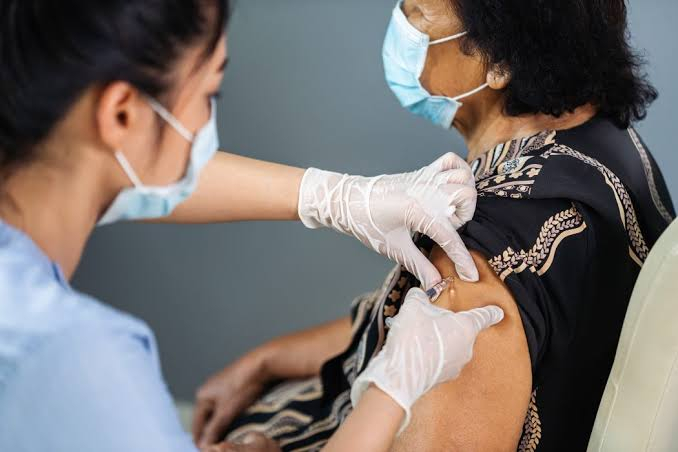
If vaccination is considered appropriate, the healthcare professional prepares the required supplies and follows appropriate clinical and hygiene procedures. The patient is positioned comfortably, and the injection site is prepared according to professional practice. The vaccine is then administered using appropriate medical equipment. Patients should remain as relaxed and still as possible and follow the healthcare professional's instructions. Caregivers can provide reassurance, particularly when assisting children, older adults, or patients who are nervous about injections.
Maintaining Hygiene During the Procedure:
Hygiene is an essential part of professional vaccination. The healthcare professional should follow appropriate hand-hygiene and infection-control practices while preparing and administering the vaccine. Sterile, appropriate equipment should be used, and clean supplies should be kept separate from used materials. After administration, needles and other sharps should be handled and disposed of safely according to appropriate healthcare procedures. Patients and caregivers should avoid touching medical equipment or vaccination supplies unless instructed to do so.
Supporting Patients During Immunization:
Some patients may feel anxious before or during an injection. Caregivers can help by remaining calm, offering reassurance, and avoiding unnecessary distractions. Children may benefit from a favorite toy or simple conversation, while older adults may appreciate having a familiar person nearby. The healthcare professional should manage the clinical procedure, while caregivers focus on emotional and practical support. Patients should be encouraged to ask questions if they are uncertain about any part of the process.
What Happens Immediately After Vaccination:
After the vaccine has been administered, the healthcare professional may provide specific instructions based on the vaccine and the patient's individual circumstances. Some patients may be observed for a period after vaccination when appropriate. The professional can explain which temporary reactions may occur and what symptoms should prompt further medical advice. Patients and caregivers should listen carefully to these instructions and ask questions if anything is unclear before the appointment ends.
Understanding Common Post-Vaccination Reactions:
Some people experience temporary reactions after immunization, while others have no noticeable symptoms. Depending on the vaccine and individual response, possible short-term effects can include soreness at the injection site, tiredness, mild fever, headache, or muscle discomfort. These reactions can vary from person to person. Patients should follow the specific aftercare information provided by the healthcare professional and should not assume that every symptom is necessarily caused by the vaccine.
Common temporary reactions may include:
-
Injection-site soreness
-
Mild redness or swelling
-
Temporary fatigue
-
Mild fever
-
Headache
-
Muscle aches
Monitoring the Patient at Home:
After the healthcare professional leaves, patients and caregivers should continue following the provided aftercare instructions. Caregivers can observe the patient's general condition and note when any symptoms appear and whether they improve or worsen. This can be particularly helpful when caring for children, elderly individuals, or dependent patients who may have difficulty describing how they feel. Unusual, severe, or rapidly worsening symptoms should receive appropriate medical attention rather than being ignored.
Knowing When to Seek Medical Attention:
Although many post-vaccination effects are temporary, patients should know that serious or unusual symptoms require prompt professional attention. Difficulty breathing, swelling involving the face or throat, fainting, significant changes in consciousness, severe weakness, or other concerning symptoms should not be dismissed as routine vaccine reactions. Patients and caregivers should follow the emergency instructions provided by the healthcare professional and seek appropriate urgent medical assistance when necessary.
Keeping Vaccination Records Updated:
After immunization, patients should retain accurate vaccination documentation. Records can include information about the vaccine received, administration date, and other details provided by the healthcare service. Maintaining these records helps healthcare professionals understand the patient's immunization history and determine whether future doses or boosters may be appropriate. Families should keep records for each household member in an organized and accessible location.
Supporting Children After Vaccination:
Children may need additional reassurance after receiving a vaccine. Parents can provide comfort and allow the child to rest according to their normal needs. They should follow the healthcare professional's guidance and observe any symptoms that develop. Children may experience temporary soreness or tiredness, depending on the vaccine. Parents should communicate with a healthcare professional if they are concerned about symptoms that appear severe, unusual, or persistent.
Supporting Elderly and Dependent Patients:
Older adults and dependent patients may need assistance after vaccination, particularly if they already require support with daily activities. Caregivers can help them remain comfortable and monitor their overall condition. They should also make sure that vaccination records are updated and that professional instructions are followed. If the patient has multiple health conditions or takes several medications, caregivers should communicate any significant changes in their condition to an appropriate healthcare professional.
Benefits of Understanding the Complete Process:
Knowing what happens before, during, and after vaccination can reduce uncertainty and help families prepare appropriately. It allows patients to organize their health information, create a suitable environment, understand the role of professional assessment, and recognize what to monitor after immunization. This knowledge can also help caregivers provide better support without attempting to make clinical decisions themselves. Being prepared contributes to a more organized home vaccination experience.
Final Thoughts:
Vaccination at Home in Dubai can provide eligible patients with a convenient way to receive professional immunization services without unnecessary travel to a healthcare facility. From pre-vaccination assessment and medical-history review to hygienic vaccine administration and post-vaccination monitoring, each stage has an important role in supporting a safe and organized experience. Patients and caregivers should prepare relevant records, communicate health concerns honestly, follow professional instructions, and understand when medical attention may be required. With appropriate professional support and thoughtful preparation, home vaccination can become a convenient part of an individual's or family's preventive healthcare routine.

