

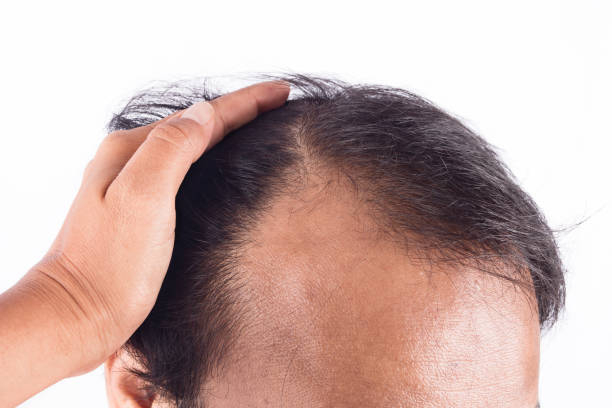

Choosing a hair loss treatment can feel overwhelming because thinning and shedding can have many different causes. The most effective approach is not necessarily the most popular treatment but the one that matches your specific condition, scalp health, and treatment goals. Before considering Hair Loss Treatment in Riyadh, it is important to understand why your hair is falling out and discuss your concerns with a qualified professional.
Start by Identifying the Cause
Hair loss may be linked to genetics, hormonal changes, stress, nutritional factors, scalp conditions, medications, or certain medical conditions. Since different causes can require different approaches, identifying the underlying reason is an important first step. A professional assessment can help distinguish between temporary shedding and progressive hair loss.
-
Look at the pattern: Receding hairlines, crown thinning, widening parts, and bald patches can provide useful clues.
-
Consider timing: Sudden shedding may have different triggers from gradual thinning.
-
Review contributing factors: Health changes, medications, nutrition, stress, and hair-care habits may all be relevant.
Understand Your Type of Hair Loss
Not all hair loss behaves in the same way. Men may commonly experience a receding hairline or crown thinning associated with hereditary hair loss, while women may notice a widening part or reduced overall density. Other forms can appear as distinct patches or sudden shedding. Understanding the pattern helps a professional determine which treatment options may be appropriate.
Genetic Hair Loss
Hereditary hair loss often develops gradually. Early professional evaluation may be useful because some treatments work better when started before substantial hair density is lost.
Sudden or Patchy Hair Loss
Rapid shedding or clearly defined bald patches may require a different evaluation. Conditions such as alopecia areata or scalp disorders can require specialized treatment rather than a general hair-growth product.
Consider Your Treatment Options
Once the potential cause has been identified, you can discuss suitable options with a qualified professional. Depending on the condition, treatment may include medically supervised medications, topical approaches, PRP therapy, laser-based options, or hair restoration procedures. There is no single treatment that works for every type of hair loss.
-
Medical treatments: Certain medications may help manage specific types of hair loss when medically appropriate.
-
PRP therapy: PRP may be considered for selected patients as part of a professional hair-loss plan.
-
Laser-based treatments: Certain devices may be used for particular forms of hereditary hair loss.
-
Hair restoration: Hair transplantation may be considered when appropriate for areas with significant permanent thinning.
Match Treatment to Your Goals
Your personal goals should also influence the treatment decision. Some people primarily want to slow ongoing shedding, while others want to improve density or restore the appearance of specific areas. Discussing what you hope to achieve can help your specialist recommend an approach that fits your expectations.
Slowing Hair Loss
If your priority is maintaining existing hair, your professional may focus on approaches intended to manage the underlying condition and reduce continued loss.
Improving Hair Density
For people concerned about visible thinning, treatments may focus on supporting existing follicles and improving the appearance of density where appropriate.
Restoring Lost Hair
When follicles are no longer producing sufficient hair, restorative procedures may be considered for suitable candidates. A professional assessment is important before making this decision.
Check the Safety and Suitability
A treatment should be selected based on more than expected results. Your medical history, current medications, allergies, scalp condition, age, and the type of hair loss should all be considered. Prescription treatments should only be used according to appropriate medical guidance, and patients should not stop existing medications without speaking with the prescribing professional.
-
Medical history: Previous and current health conditions can affect treatment suitability.
-
Medications: Some medications can contribute to hair loss or influence treatment choices.
-
Scalp condition: Inflammation, infection, or other scalp problems may need attention first.
-
Individual response: Results and potential side effects can vary between individuals.
Be Careful With Hair Growth Supplements
Hair supplements may appear attractive because they are easy to purchase, but taking nutrients without knowing whether you have a deficiency is not always beneficial. The American Academy of Dermatology notes that excessive amounts of certain nutrients can actually worsen hair loss. Professional evaluation can help determine whether nutritional testing or supplementation is appropriate.
Think About Treatment Commitment
Different treatments require different levels of commitment. Some may involve regular applications, repeated clinic sessions, ongoing medication, or follow-up appointments. Understanding the recommended schedule before starting treatment can help you choose an option that fits realistically into your routine.
-
Treatment frequency: Ask how often sessions or applications are required.
-
Maintenance: Some treatments may require ongoing care to maintain benefits.
-
Follow-up: Regular reviews can help assess progress and adjust the plan.
Set Realistic Expectations
Hair restoration is usually a gradual process rather than an overnight transformation. The timeline and degree of improvement depend on the cause of hair loss, treatment selected, severity, and individual response. A professional should explain what type of improvement may realistically be expected before treatment begins.
Choose a Qualified Hair Loss Clinic
The clinic and professional you choose are important parts of your treatment journey. Look for a provider that takes time to assess your condition rather than immediately recommending a specific procedure. A thorough consultation, clear explanation of options, appropriate medical assessment, and realistic guidance can help you make a more informed decision.
Hair Loss Treatment in Riyadh: Making an Informed Choice
Choosing Hair Loss Treatment in Riyadh should begin with understanding your individual hair-loss pattern rather than following trends or selecting a treatment based solely on advertising. A personalized consultation can help identify possible causes, discuss suitable options, and establish realistic expectations. The right treatment is ultimately the one that is medically appropriate for your condition and aligned with your goals.
Book an Appointment at Royal Clinic Saudia
If you are unsure which hair loss option is right for you, Royal Clinic Saudia can provide a professional consultation to assess your hair and scalp concerns. Discussing your symptoms, treatment goals, and expectations with a qualified specialist can help you make a more informed decision. Book an appointment to take the first step toward a personalized hair-loss treatment plan.
FAQs:
How do I know which hair loss treatment is right for me?
The right option depends on the cause, pattern, severity, scalp condition, medical history, and your treatment goals. A professional evaluation can help determine which approaches may be suitable.
Should I start treatment as soon as I notice hair thinning?
Early evaluation can be beneficial because some forms of hair loss become more difficult to manage as they progress. The American Academy of Dermatology recommends identifying the cause as an important step toward effective treatment.
Is one hair loss treatment effective for everyone?
No. Hair loss has many causes, and treatment needs to be matched to the specific condition. What works for hereditary hair loss may not be appropriate for sudden or patchy hair loss.
Can I choose a treatment without seeing a specialist?
It is better to seek professional guidance before starting a treatment, particularly when hair loss is sudden, persistent, or significant. A specialist can help identify the cause and explain appropriate options, potential limitations, and expected results.

