Uneven skin tone can make the complexion appear dull, patchy, or less balanced, particularly when pigmentation develops in different areas of the face or body. Sun exposure, post-inflammatory changes, hormonal influences, freckles, and other forms of pigmentation can contribute to these concerns. Q-switched laser treatment is a popular professional approach designed to target unwanted pigmentation while supporting a more even-looking complexion. Understanding how this technology works can help you decide whether q switch laser may be suitable for your skin concerns.
Understanding Uneven Skin Tone
Uneven skin tone occurs when melanin, the pigment responsible for skin color, becomes distributed unevenly. This can lead to darker patches, spots, or areas that appear noticeably different from the surrounding skin.
Common Causes of Uneven Pigmentation
Several factors can contribute to uneven tone, including prolonged sun exposure, hormonal fluctuations, acne-related pigmentation, freckles, and certain skin conditions. Repeated UV exposure can also make existing pigmentation more noticeable over time.
Why Pigmentation Can Be Difficult to Manage
Pigmentation may develop at different depths within the skin, and its appearance can vary depending on the underlying cause. This is why selecting a treatment based on the type and characteristics of pigmentation is important.
What Is Q-switched Laser Treatment?
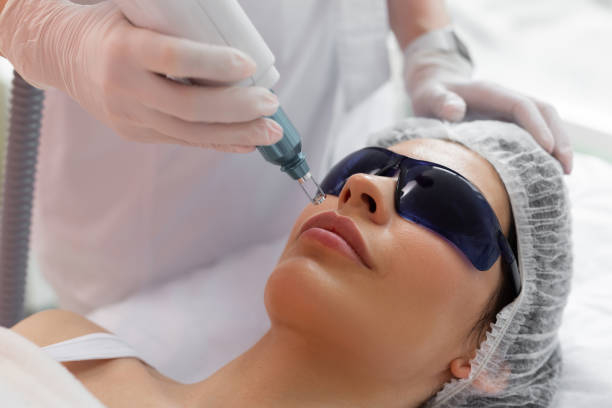
Q-switched lasers are specialized laser systems that deliver short, controlled pulses of energy to target pigment within the skin. The energy is absorbed by pigmented areas, helping break pigment into smaller particles that the body can gradually clear.
How the Laser Targets Pigment
Unlike treatments that broadly affect the skin's surface, Q-switched laser technology can target specific pigmented areas. The laser's energy is absorbed primarily by the pigment, allowing professionals to focus on unwanted discoloration.
Controlled Laser Energy
The laser is delivered using carefully selected settings based on the individual's skin and pigmentation. Treatment parameters may vary according to the type, location, and depth of the pigment as well as the person's skin characteristics.
How Q-switched Laser Can Improve Uneven Skin Tone
The primary goal of Q-switched laser treatment is to reduce the appearance of unwanted pigmentation and create a more balanced-looking complexion.
Breaking Down Excess Pigment
The laser energy can fragment pigment into smaller particles. The body's natural processes can then gradually remove these particles, which may lead to a reduction in the appearance of dark spots over time.
Improving the Appearance of Dark Spots
Q-switched laser treatment may be considered for certain pigmentation concerns, including some freckles, sun-related spots, and other localized areas of unwanted pigmentation. Suitability depends on the specific cause and characteristics of the pigmentation.
Supporting a More Even Complexion
As targeted pigmentation becomes less noticeable, the surrounding skin may appear more uniform. The result can be a brighter and more balanced-looking complexion when treatment is appropriate for the individual's skin.
What Happens During Treatment?
Before treatment, a professional generally evaluates the skin and pigmentation to determine whether Q-switched laser technology is suitable.
Skin Assessment
The assessment may consider skin type, pigmentation characteristics, previous treatments, sensitivity, and overall skin condition. This helps determine appropriate laser settings and whether another approach may be more suitable.
During the Procedure
During treatment, the laser device delivers controlled pulses to the targeted areas. Some people may experience a brief snapping or warming sensation. Protective measures are typically used to help safeguard the surrounding skin and eyes.
After the Treatment
The treated area may appear temporarily red or sensitive. Depending on the treatment intensity and individual skin response, mild changes may occur as the skin recovers. Following aftercare instructions is important for supporting the healing process.
Factors That Influence Treatment Results
Results can vary from person to person. The type of pigmentation, skin tone, depth of pigment, treatment settings, and individual response can all influence outcomes.
Type of Pigmentation
Not every pigmentation concern responds in the same way to laser treatment. A professional assessment is important for determining whether the pigmentation is suitable for Q-switched laser treatment.
Skin Type
Different skin tones may have different risks of temporary pigmentation changes after laser procedures. Appropriate treatment settings and careful professional evaluation are therefore important.
Number of Sessions
Some pigmentation concerns may improve gradually rather than after a single treatment. The number of sessions required depends on the individual condition and response to treatment.
Why Professional Assessment Matters
Laser treatments should not be selected solely because they are popular or widely advertised. Proper assessment helps determine whether the treatment matches the pigmentation concern and skin type.
Personalized Treatment Settings
Laser energy, pulse settings, and treatment areas can be adjusted according to individual needs. Using appropriate settings can help target pigmentation while reducing unnecessary exposure to surrounding skin.
Identifying Unsuitable Cases
Some pigmentation conditions may require a different treatment approach. Professional evaluation can help distinguish between concerns that may respond to Q-switched laser treatment and those that may need alternative care.
Supporting Your Results With Good Skincare
After laser treatment, maintaining healthy skincare habits can help protect the skin and reduce factors that contribute to recurring pigmentation.
Use Daily Sun Protection
UV exposure can contribute to pigmentation and may make dark spots more noticeable. Regular use of broad-spectrum sunscreen is an important part of maintaining an even-looking complexion.
Avoid Unnecessary Skin Irritation
Harsh products and excessive exfoliation can irritate recently treated skin. Following professional aftercare recommendations can help support recovery.
Maintain a Consistent Routine
Gentle cleansing, appropriate moisturization, and sun protection can provide a simple foundation for healthy-looking skin following treatment.
Is Q-switched Laser Treatment Right for Uneven Skin Tone?
Q-switched laser treatment may be suitable for certain types of pigmentation, but it is not automatically appropriate for every uneven skin tone concern. The underlying cause, skin type, pigmentation depth, and individual medical history should be considered before treatment.
A professional consultation can determine whether Q-switched Laser Treatment in Riyadh is an appropriate option and help establish realistic expectations about the potential results.
Book an Appointment at Royal Clinic Saudia
If uneven pigmentation or dark spots are affecting the appearance of your complexion, Royal Clinic Saudia can help you explore suitable treatment options. Book an appointment for a professional skin assessment and learn whether Q-switched laser treatment may be appropriate for your pigmentation concerns.
FAQs:
How does Q-switched laser improve uneven skin tone?
It delivers short laser pulses that target unwanted pigment, breaking it into smaller particles that the body can gradually clear.
Can Q-switched laser treat every type of pigmentation?
No. Its suitability depends on the cause, type, depth of pigmentation, and individual skin characteristics.
How many Q-switched laser sessions are needed?
The number varies depending on the pigmentation concern and how the individual's skin responds to treatment.
Is sun protection important after treatment?
Yes. Protecting the skin from UV exposure is important for supporting recovery and reducing the risk of pigmentation becoming more noticeable.