


What Should You Avoid After a Botox Injection Session?
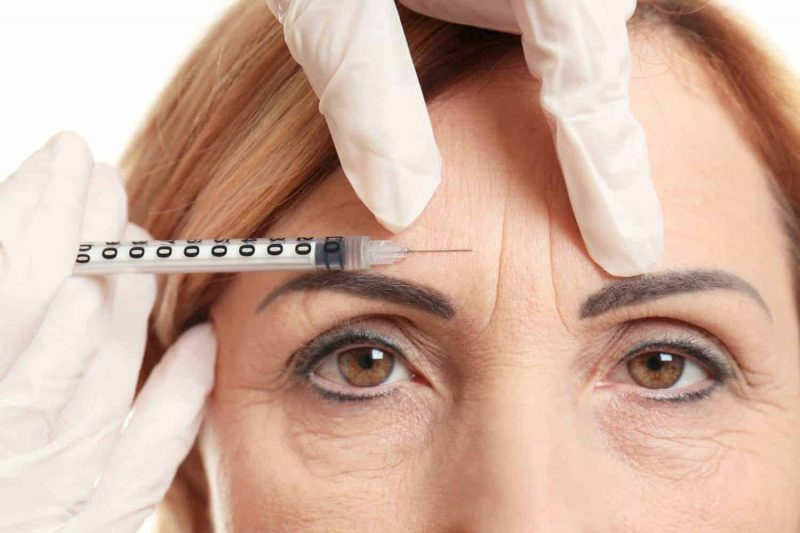
After a Botox injection session, most people can return to many normal activities fairly quickly, but a few simple precautions can help minimize bruising, swelling, and unnecessary pressure on the treated areas. If you have received حقن البوتوكس في دبي, following the aftercare instructions provided by your practitioner is important because recommendations can vary according to the treatment area and individual circumstances.
Immediate Aftercare Considerations
The first few hours after treatment are mainly about avoiding unnecessary pressure or irritation around the injection sites. Botox does not usually require extensive downtime, but gentle handling of the treated area is recommended.
Avoid Rubbing or Massaging the Treated Area
Rubbing, pressing, or massaging the injection sites can increase irritation and may interfere with how the product settles. It is generally recommended to avoid rubbing the treated area for several hours after treatment.
Avoid Lying Down Immediately
Remaining upright for around three to four hours after treatment is commonly recommended. This is a simple precaution that can help avoid unnecessary pressure on recently treated areas.
Activities to Limit After Treatment
Some activities can increase sweating, blood flow, or physical pressure on the treated areas. Temporarily limiting them may help reduce bruising and discomfort.
Avoid Strenuous Exercise
Healthcare guidance commonly recommends avoiding strenuous physical activity for about 24 hours after Botox. Exercise can increase blood flow and may make bruising more noticeable, particularly in people who bruise easily.
Avoid Facial Treatments and Massages
Facials, facial massages, and other treatments involving pressure or vigorous manipulation should generally be postponed for at least 24 hours. If swelling or bruising is present, waiting longer may be more comfortable.
Avoid Excessive Heat
Activities involving significant heat and sweating may be best limited immediately after treatment. Your practitioner may provide specific advice about hot environments, saunas, or other heat-based activities depending on the treatment area.
Handling the Treated Skin
The skin may have small injection marks, mild redness, or tenderness immediately after treatment. Gentle care is usually preferable while these temporary effects settle.
Use Gentle Cleansing
Washing the face is generally possible after Botox, but the skin should be handled gently. Avoid vigorous rubbing, scrubbing, or pressure over the injection sites.
Apply Makeup Carefully
Makeup can generally be used after the injection sites have closed, but application should be gentle. Avoid pressing or rubbing heavily over recently treated areas, particularly if the skin is tender or swollen.
Substances That May Increase Bruising
Certain substances can make bruising more noticeable. Patients should follow their healthcare professional's advice rather than stopping prescribed medication without medical guidance.
Limit Alcohol Around Treatment
Alcohol can increase the tendency toward redness and bruising. Avoiding alcohol around the treatment period may therefore help minimize these temporary effects.
Be Careful With Certain Medicines
Some medicines, including aspirin, ibuprofen, naproxen, and blood-thinning medications, can increase bruising risk. However, prescribed medication should never be stopped without discussing it with the prescribing healthcare professional.
Normal Activities After Botox
Botox usually does not require complete rest. Many people can return to work and ordinary daily activities shortly after treatment, provided they follow the specific instructions given by their practitioner.
Everyday Movement Is Usually Fine
Normal facial expressions such as smiling, talking, and making ordinary expressions generally do not need to be avoided. There is no need to keep the face completely still after treatment.
Protect the Treated Area
The main goal is to avoid unnecessary pressure, vigorous rubbing, and activities that may significantly increase bruising or irritation during the early recovery period.
Signs You Should Pay Attention To
Mild redness, tenderness, swelling, or bruising can occur after injections. These effects are generally temporary, but unusual or severe symptoms should receive medical attention rather than being treated as normal aftercare effects.
Seek prompt medical attention for:
-
Difficulty breathing
-
Difficulty swallowing or speaking
-
Significant or unusual muscle weakness
-
Blurred or double vision
-
Severe allergic symptoms
-
Unexpected or worsening symptoms
Checkpoint
The most important aftercare steps are relatively simple: avoid rubbing or massaging the treated areas, remain upright for the recommended period, limit strenuous activity, and follow your practitioner's personalized instructions. These precautions are mainly intended to reduce bruising, swelling, irritation, and unnecessary pressure during the early post-treatment period.
Why Consider Dynamic Clinic?
Dynamic Clinic can be considered by people seeking professional Botox treatment and individualized aftercare guidance. A personalized approach allows the practitioner to explain what should be avoided according to the injection areas, treatment plan, and individual response.
Importance of Personalized Aftercare
Aftercare does not need to be complicated, but instructions may differ depending on where Botox was administered and whether the patient experiences bruising, swelling, or other temporary effects. Following the treating professional's specific recommendations is therefore important.
Frequently Asked Questions
How long should I avoid rubbing the treated area?
It is generally recommended to avoid rubbing or massaging the injection sites for at least several hours, with some guidance recommending around 12 to 24 hours. Follow the specific instructions provided by your practitioner.
Can I exercise after Botox?
Strenuous exercise is commonly limited for about 24 hours after treatment. Normal light activities can usually be resumed much sooner, depending on individual circumstances.
Can I wash my face after Botox?
Yes, gentle cleansing is generally acceptable. Avoid vigorous rubbing, scrubbing, or pressure around the injection sites.
Can I wear makeup after Botox?
Makeup can generally be applied once the injection sites have closed, but it should be applied gently without rubbing or pressing heavily on the treated areas.
When should I contact a doctor after Botox?
Seek prompt medical attention if you develop difficulty breathing, swallowing, or speaking, significant muscle weakness, vision problems, or severe allergic symptoms.
Conclusion
After a Botox session, avoiding unnecessary rubbing, massage, strenuous exercise, excessive pressure, and activities that may increase bruising can support a comfortable recovery. Most people can return to normal daily activities relatively quickly, but personalized instructions from the treating professional should take priority. Paying attention to unusual symptoms and seeking medical advice when necessary is also an important part of responsible aftercare.
Categories
- Artificial Intelligence (AI)
- Technology
- Business
- Education
- Science
- Lifestyle
- Healthcare
- Entertainment
- Politics
- Environment
- Travel
- Finance
- Automobile
- News
- Art
- Causes
- Crafts
- career
- Dance
- Drinks
- Film
- Fitness
- Food
- Games
- Gardening
- Health
- Home
- Literature
- Music
- Networking
- Other
- Party
- Religion
- Shopping
- Sports
- Theater
- Wellness
Read More
The transition toward cleaner marine fuels is driving robust growth in the Lng Marine Cryogenic Pump Market. LNG marine cryogenic pumps are essential for transferring and pressurizing liquefied natural gas at extremely low temperatures in LNG carriers, bunkering vessels, storage facilities, and regasification terminals. According to WiseGuyReports, the global LNG marine cryogenic pump...

Flood Protection Bags Market Report Overview The Flood Protection Bags Market report is a thoroughly researched market intelligence document providing in-depth evaluation of the Flood Protection Bags market’s evolving dynamics. Developed through primary consultations and comprehensive data analysis, it examines competitive positioning, technological innovation, regulatory...
Before your next daily commute, Buy Wireless Android Auto Adapter options only after checking factory-system compatibility, connection time and support. OrcaGears Cube is built for cars that already have factory-wired CarPlay or Android Auto, covering 98% of compatible vehicles. Plug it into the original USB port, complete the one-time setup in 60 seconds and let it reconnect automatically...
The Microbial Identification Panel Market is expected to be influenced by continued improvements in diagnostic technology, laboratory automation, and the growing need for dependable microbiological testing. Healthcare institutions, research organizations, and industrial laboratories are looking for solutions that can improve productivity while maintaining testing accuracy. Emerging technologies...
Fermenters and Bioreactors Market: Powering the Future of Biopharmaceutical Manufacturing and Advanced Bioprocessing The Fermenters and Bioreactors Market is experiencing strong growth as the global biotechnology and pharmaceutical industries expand production of biologics, vaccines, biosimilars, and advanced cell therapies. According to M2Square Consultancy, the market was...

