


Electronics Boxes: The Complete Guide to Safe Product Packaging
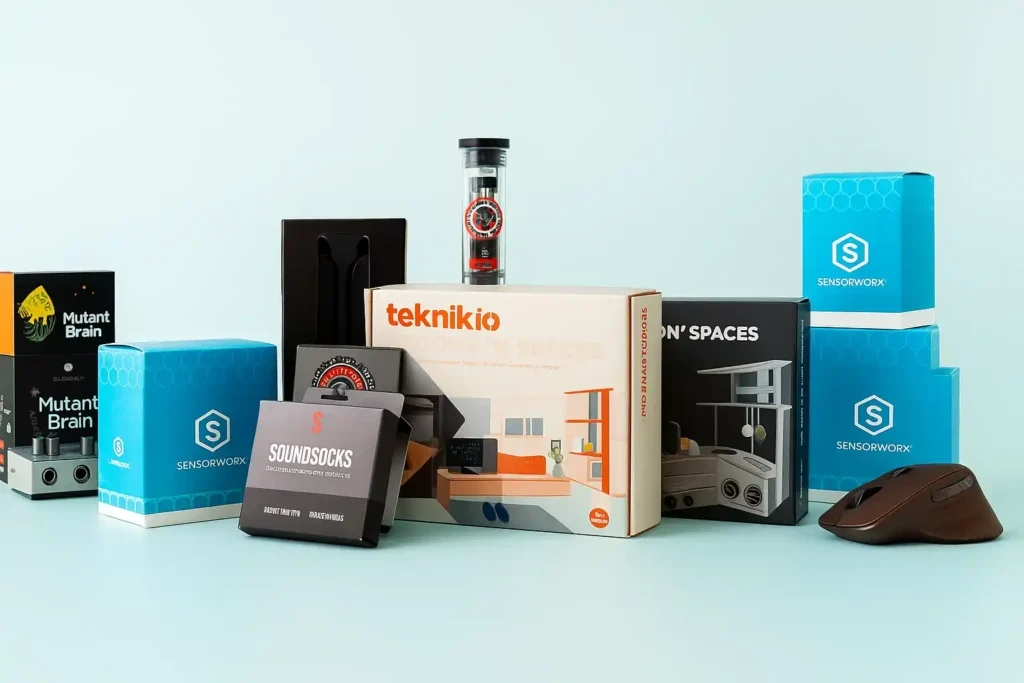
Electronics are one of the trickiest categories to package. They're often expensive, they can be damaged by a single drop or a bit of static, and customers expect them to arrive in perfect condition and look premium doing it. A box that works for a sweater won't necessarily work for a phone accessory, a smartwatch, or a set of earbuds.
At The Boxology.US, we help electronics brands design packaging that protects products through shipping and handling while also making a strong first impression. Here's a complete guide to getting electronics boxes right.
Why Electronics Need Specialized Packaging
Electronics face a set of risks that many other products don't:
- Impact and vibration during shipping can damage internal components
- Static electricity can harm sensitive circuitry
- Scratches and scuffs can ruin screens and polished surfaces
- Moisture and dust can affect performance and appearance
- High value raises the cost of every damaged unit and every return
Good packaging reduces these risks, which cuts returns and protects both profit and reputation.
Key Elements of a Safe Electronics Box
1. A Snug, Custom-Fit Interior
The most important protection feature is a fit that holds the product firmly in place. Custom inserts, shaped around the exact dimensions of the device and its accessories, keep everything from shifting. A product that can't move is far less likely to be damaged.
2. Effective Cushioning
Cushioning absorbs shock from drops and bumps. Common options include:
- Foam inserts cut to the shape of the product
- Molded pulp inserts, a paper-based alternative that suits brands avoiding plastic foam
- Cardboard dividers and sleeves for separating accessories and cables
- Corrugated inserts for structural support in heavier items
The right choice depends on product weight, fragility, and your sustainability goals.
3. Static Protection Where Needed
For components or devices sensitive to electrostatic discharge, anti-static bags or specially treated materials add a layer of protection inside the outer box. Whether your product needs this depends on what it is, so it's worth confirming requirements with your manufacturer or engineer.
4. A Sturdy Outer Structure
The outer box has to survive stacking, shipping, and handling. Rigid boxes offer a premium feel and strong structure for higher-value devices, while corrugated boxes provide strength for shipping and larger products. Many brands combine the two, using a rigid retail box inside a corrugated shipping carton.
Choosing the Right Box Style for Your Product
Rigid Boxes
Ideal for premium devices such as smartwatches, headphones, and gadget accessories where presentation matters. Magnetic closures and lift-off lids create a refined unboxing moment.
Folding Cartons
Lightweight and cost-effective for smaller accessories, cables, and lower-priced items, especially at high volumes.
Corrugated Mailer and Shipping Boxes
Well suited to direct-to-consumer brands, offering strength during shipping and room for branded printing.
Drawer and Sleeve Boxes
Popular for tech accessories, giving a smooth, controlled reveal and good protection for the product tray.
Materials Worth Considering
- Rigid chipboard for structure and a premium feel
- Corrugated board for strength and shipping durability
- Paperboard for lightweight retail packaging
- Recycled and FSC-certified materials for brands that want a verifiable sustainability story
- Soft-touch or matte finishes that give a refined, modern look and reduce visible fingerprints on darker boxes
Design Details That Make Electronics Packaging Stand Out
Electronics buyers tend to respond to clean, modern, confident design. A few details help:
- Minimal, well-placed branding that mirrors the product's sleek look
- Clear product information, such as model and key features, positioned where shoppers will see it
- Interior design that organizes the device, cable, and accessories neatly
- A satisfying opening experience, which many tech buyers share on social media
Right-Sizing to Save Money
Oversized boxes increase material use and shipping costs, and they leave room for products to move. Custom-sized packaging reduces both, while also reducing the need for excess filler. Over many orders, right-sizing can make a noticeable difference to costs.
Testing Before You Commit
Because electronics are valuable, testing matters:
- Drop-test a sample with the real product inside
- Check the insert fit with all accessories included
- Review the sample for print quality, finish, and structure
- Confirm shipping performance, ideally with a small test shipment
A few tests before a bulk order can save a great deal of cost and frustration later.
Common Mistakes to Avoid
- Using an insert that is too loose, allowing the product to shift
- Relying on thin cardboard for heavier or more fragile devices
- Overlooking static protection for sensitive components
- Choosing packaging for looks alone without testing protection
- Ordering in bulk without reviewing a physical sample
Sustainability in Electronics Packaging
Customers increasingly care about packaging waste. Paper-based inserts, recyclable materials, and right-sized boxes help reduce environmental impact without sacrificing protection. If you plan to make sustainability claims, confirm material certifications with your supplier first.
How The Boxology.US Helps Electronics Brands Package Safely
At The Boxology.US, we design electronics boxes that protect products and present them well. Our services include:
- Custom sizes and structures built around your exact product
- Custom inserts, including foam and paper-based options
- Rigid, corrugated, and folding carton options
- Soft-touch, matte, and premium finishing choices
- Free 3D mockups and physical samples before production
- Low minimum order quantities for growing electronics brands
Note: Product safety, shipping, and compliance requirements for electronics vary by product type and region. Always confirm current requirements with your manufacturer or a qualified advisor.
Safe electronics packaging is a balance of protection, presentation, and cost. When all three are designed together, the box does its job from the warehouse to the customer's hands.
Ready to design electronics boxes that protect and impress? Get a free quote from The Boxology.US today and start building packaging made for your product.
Categories
- Artificial Intelligence (AI)
- Technology
- Business
- Education
- Science
- Lifestyle
- Healthcare
- Entertainment
- Politics
- Environment
- Travel
- Finance
- Automobile
- News
- Art
- Causes
- Crafts
- career
- Dance
- Drinks
- Film
- Fitness
- Food
- Games
- Gardening
- Health
- Home
- Literature
- Music
- Networking
- Other
- Party
- Religion
- Shopping
- Sports
- Theater
- Wellness
Read More
Robust cross-industry capital expenditure and corporate digital adoption continue to generate powerful momentum within the Asset Financing Platform Market Growth, encouraging financial institutions to upgrade legacy IT infrastructure. Small, medium, and large multinational organizations are increasingly migrating from traditional capital expenditure models toward flexible operational...

People want safe ways to store their goods. Food and small items need strong protection from air and light. You can use simple packaging to keep things fresh. Many shop owners pick custom Mylar bags for this exact reason. These wrappers stop moisture and dirt from reaching the items inside. Businesses use them to pack coffee, snacks, and herbs. Buyers love seeing clear designs on packages. A...

North America Probiotic Drinks Market Size and Forecast The North America Probiotic Drinks Market size was valued at USD 17950.68 Million in 2025 and is projected to reach USD 38614.83 Million by 2034, growing at a CAGR of 9.03% during the forecast period (2026-2034). The North America Probiotic Drinks Market represents a significant segment of the global industry, supported by evolving...

The GMP Cytokines Market is growing as demand increases for high-quality cytokines in biopharmaceutical research, advanced therapies, and clinical development. The market was valued at USD 2.2 billion in 2024 and is expected to reach USD 5 billion by 2035, expanding at a 7.8% CAGR during 2026–2035. Advances in biotechnology are improving the way GMP-grade cytokines are produced and...

The North America Blood Pressure Cuff Market is driven by the rising prevalence of hypertension and cardiovascular conditions, growing adoption of home-based monitoring, and increasing use of digital and connected blood pressure devices. Hospitals, clinics, pharmacies, and home healthcare settings are increasingly adopting accurate and comfortable cuff technologies. The Blood Pressure Cuff...
