

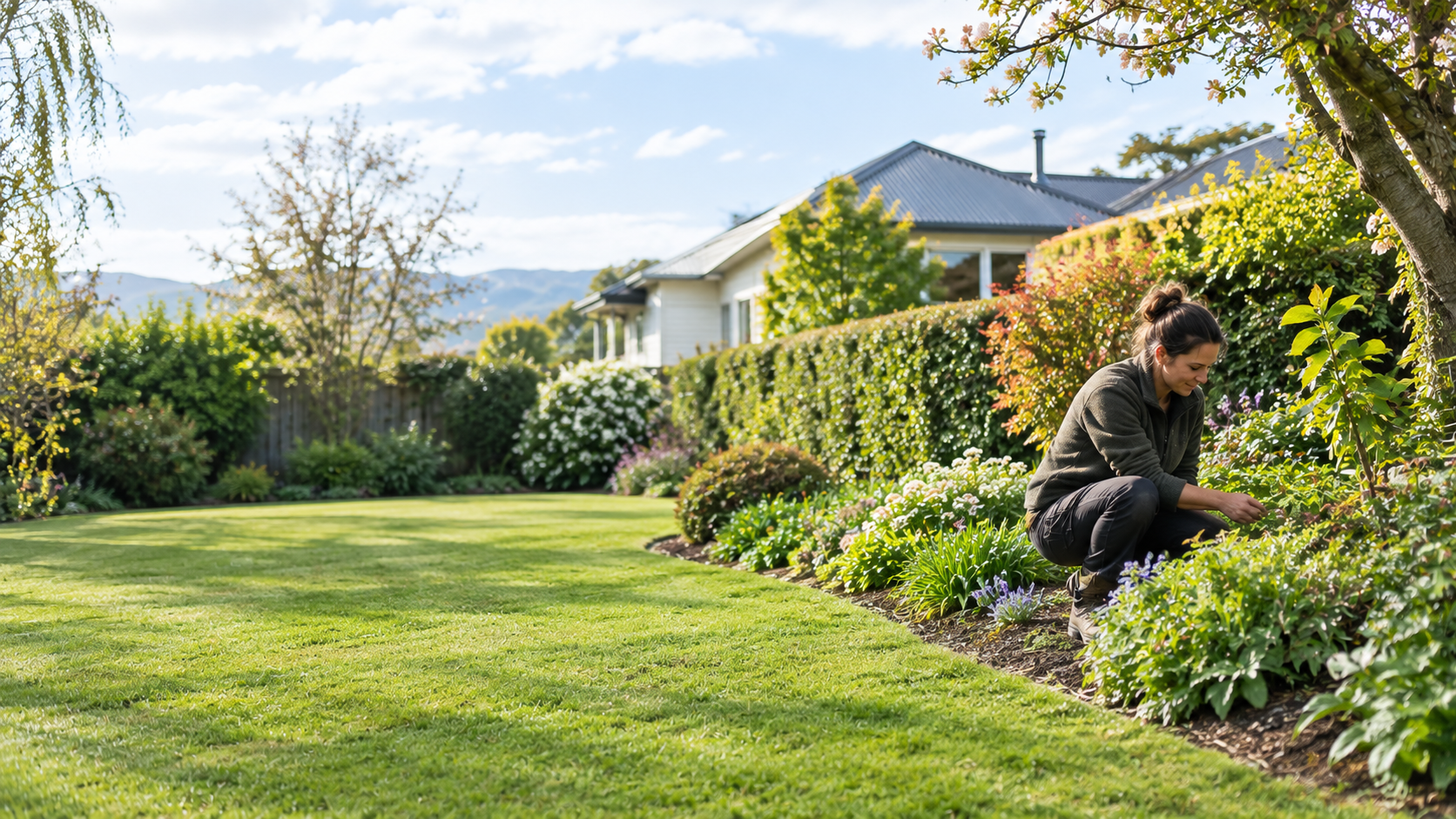

A Christchurch garden is easier to manage when its maintenance plan follows the plants and the weather instead of a fixed list repeated every month. A hedge may need attention while a nearby flowering shrub should be left alone. A lawn can look thirsty even when the ground below it needs investigation rather than more water. The useful question is what the garden needs now and what can wait until a more suitable season.
Homeowners considering garden maintenance in Christchurch can start by separating recurring tasks from occasional specialist work. Garden & Tree Men lists regular maintenance and one-off services on its website, giving households options for ongoing care or a seasonal reset. The right arrangement depends on garden size, plant types, access and how much work the household wants to do between professional visits.
Build a record of your own garden
Begin with a simple plan showing beds, lawn, hedges, trees and frequently used paths. Mark spaces that dry quickly, remain damp or receive limited sunlight. A sketch is enough; the purpose is to recognise differences within the property. A bed beside a warm wall can behave differently from a shaded strip behind a garage, even when both contain plants bought at the same nursery.
Photograph the garden from the same positions through the year. These images can reveal when privacy disappears, where leaves accumulate and which plants outgrow their allotted space. They also make a maintenance discussion more specific. Instead of saying the garden becomes difficult in summer, you can point to the hedge that narrows the path or the bed where irrigation does not reach the root zone.
Write down plant names when you know them, and ask for identification when you do not. Pruning schedules depend on species and flowering or fruiting habits. Applying one date to every shrub can remove the growth that would have carried flowers. A garden record does not have to be elaborate, but it should preserve the information that changes how each plant is managed.
Use Canterbury conditions as context
Canterbury's regional climate includes dry periods, warm northwesterly conditions and winter frosts, but the exposure of an individual garden still matters. Shelter, slope, surrounding buildings and soil all influence plant performance. A maintenance plan should account for those differences instead of assuming that every Christchurch section dries or frosts in the same way. Regional patterns guide preparation; observations on the property guide the day's decisions.
For example, a sunny courtyard in Halswell may need different attention from an established shaded bed in Merivale. These are possible property situations rather than fixed characteristics of those suburbs. The same principle applies to gardens in Kaiapoi and Rangiora: confirm the site conditions before copying a neighbour's routine. A calendar borrowed from another household is useful only after checking that its assumptions fit your plants.
Avoid using rainfall alone to decide whether watering is needed. Check the soil where roots are growing, particularly around new plantings and beneath dense canopies. Irrigation can wet the surface while leaving another part of the bed dry. Equally, a plant struggling in wet ground may not benefit from extra water. When symptoms persist, identify the underlying issue before increasing watering or applying fertiliser.
Spring is the time to check growth and access
Spring brings new growth and a good opportunity to review how the garden functions. Walk the paths, open gates fully and check whether branches or hedges interfere with normal movement. Remove small weeds while they are manageable, especially around young plants. Work carefully near established roots and avoid disturbing wet soil unnecessarily. A tidy garden should remain a healthy growing environment rather than become bare ground around every stem.
Inspect irrigation before the busiest watering period. Look for damaged fittings, blocked outlets and watering that misses the intended bed. If a system has been turned off through winter, test each area rather than assuming every outlet still works. Making these corrections early is often more useful than increasing run time later. The aim is reliable delivery to the right place, adjusted to actual soil moisture.
Assess plants after winter without making immediate assumptions about every damaged tip. Frost injury, seasonal leaf loss and disease can be confused from a distance. Ask for advice when identification is uncertain. Decide which shrubs need pruning based on their growth cycle and flowering habit, and schedule tree work separately where it requires an arborist. A busy spring visit should have priorities rather than an instruction to cut everything back.
Summer maintenance should protect the garden from avoidable stress
During dry or hot conditions, pay attention to new plants and exposed beds. Check moisture below the surface and use watering methods suited to the soil and planting. Mulch can help reduce moisture loss, but it needs sensible placement. Keep it away from trunks and stems, and avoid covering existing problems with a thick fresh layer. Inspect the ground first, then add material where it serves a clear purpose.
Review lawn mowing against growth and conditions. Cutting extremely short to reduce future mowing can leave the lawn poorly suited to heat and dry weather. Adjust the routine rather than treating a tidy appearance as the only objective. If the grass is not actively growing, its maintenance needs differ from a vigorous spring lawn. Ask a gardener to distinguish seasonal changes from problems that need repair or treatment.
Summer is also a useful time to notice where the garden works well. Record which seating area stays comfortable and where shade is valuable. This helps prevent later pruning decisions from removing a benefit you rely on during warm weather. Tree and hedge work should account for the household's seasonal use of the space, not only the view from the street or the appearance in a winter photograph.
Autumn is an opportunity to reduce the next season's workload
Autumn maintenance often centres on fallen material, weeds and preparation for slower growth. Keep paths usable and remove leaves where they create slippery surfaces or smother small plants. Some leaf material can be managed elsewhere in the garden, depending on space and plant health. The decision should be deliberate. A pile left against a building or across a drain is not an effective composting plan.
After pruning or a seasonal tidy, garden waste removal helps complete the work when the volume exceeds what the household can manage. Garden & Tree Men provides this service alongside its garden care. Discuss whether branches, leaves and other material are to be removed or whether suitable material can remain for a planned use. Confirm exclusions where the pile also contains soil, rubble or household rubbish.
Look at bare areas and repeated problem spots before buying replacement plants. A shrub that fails in the same position each year may be showing a mismatch between the plant and its growing conditions. Replacing it without checking drainage, light or competition repeats the expense. Ask whether the location can be improved or whether another planting choice would be more suitable. Autumn planning can reduce rushed decisions during the next growth period.
Winter work should fit the species and the ground conditions
Winter can make the structure of deciduous trees easier to see, but it is not a universal pruning season. Fruit trees, ornamental trees and flowering shrubs have different requirements. Avoid booking a general winter prune without identifying what is growing. Some work may be appropriate then, while other work belongs in a different season or needs a species-specific assessment. The convenience of one visit should not determine every cut.
Be careful with access across wet lawns and beds. Equipment and repeated foot traffic can leave ruts or compact soil when the ground is vulnerable. Discuss alternate routes, ground protection or a change in timing if needed. A maintenance visit that leaves the garden difficult to repair has not solved the whole problem. The plan should consider the condition of the site as well as the availability of the crew.
Use slower growth periods to review the garden's layout and next year's workload. Identify plants that require frequent intervention because they are too large for the available space. Decide whether ongoing pruning is reasonable or whether a staged change to planting would work better. This is a planning decision rather than an instruction to remove everything inconvenient. Existing trees and shrubs may provide screening or character worth retaining.
Choose a maintenance frequency that matches growth
The best visit interval is the one that keeps important tasks manageable without paying for unnecessary work. A fast-growing hedge, a small courtyard and a large mixed garden will not require identical schedules. Frequency may need to change through the year. Ask what is expected between visits and how seasonal tasks will be added or substituted. A clear plan is more useful than a vague promise of regular attention.
Separate the first reset from the ongoing routine. An overgrown property may need concentrated work before maintenance visits become efficient. If that first job is substantial, break it into priorities: restore access, address confirmed hazards, manage planting and remove accumulated material. Then define what a normal maintenance visit should achieve. Comparing the reset price directly with the price of a routine visit can obscure how different the work is.
For busy households, agree which tasks remain with the owner. Someone may enjoy watering pots and growing vegetables but want help with hedges and larger pruning. Another household may need broader assistance. These arrangements work best when responsibilities are explicit. If the gardener assumes you will check irrigation and you assume it is included, a small misunderstanding can become a plant-health problem during dry weather.
Keep the garden manageable between visits
A brief weekly walk can prevent small issues from becoming larger projects. Check new planting, remove a few accessible weeds and notice changes in tree or shrub condition. Report anything unusual rather than attempting work outside your skills. Do not climb trees or cut substantial branches to keep the schedule on track. Specialist work can be planned separately without turning a routine maintenance habit into a dangerous task.
Keep equipment suited to the work you actually do. Basic hand tools may be sufficient for small household tasks, while large powered equipment is unnecessary if you have arranged professional help for heavier jobs. Clean tools after use and follow the manufacturer's instructions. Store them securely. A manageable garden routine should reduce the burden on the household, including the burden of maintaining equipment that is rarely used.
Pay attention to how long your chosen plants take to maintain. If one bed repeatedly uses the time you intended for the rest of the property, consider a gradual redesign. Simpler planting groups, suitable mature sizes and clearer access can make future maintenance easier. This does not require eliminating variety. It means choosing plants and layouts that fit the household's time, physical capacity and interest in gardening.
Review the plan after each season
At the end of a season, compare the plan with what happened. Did the hedge remain manageable? Were paths clear when visitors arrived? Did new plants establish, or did some areas continue to struggle? Use these observations to adjust the next set of visits. A maintenance plan should develop with the garden instead of staying unchanged while trees grow and household priorities shift.
Ask for a short record of substantial work, especially major pruning or changes to planting. Photographs and notes make it easier to explain the garden to a new provider if arrangements change. They also prevent repeated requests for unnecessary work. If a shrub has already been pruned at the appropriate time, the record helps avoid cutting it again simply because it looks different from neighbouring plants.
Budget for the garden over a year rather than judging every task in isolation. You may prefer smaller recurring visits, a few larger seasonal sessions or a combination. Leave room for work that cannot be predicted precisely, such as clearing material after wind damage. The objective is to preserve a usable, healthy outdoor space while making the workload and expense easier to understand.
Make room for productive and ornamental planting
If the garden includes vegetables, herbs or fruit trees, give those areas their own maintenance requirements. Harvesting and crop changes may affect access or watering at different times from ornamental beds. Explain which plants you manage yourself so a general tidy does not remove something you intended to keep. Labels or a simple marked plan can help where young plants are difficult to recognise.
The maintenance routine should also leave time for enjoyment. A household that wants to grow a few herbs may prefer help with heavier garden tasks so that its own time goes into the productive area. Choose the arrangement according to what you value doing, then simplify the parts of the garden that repeatedly compete with it.
A practical Christchurch maintenance plan begins with a record of the plants and ends with responsibilities the household can sustain. It can be adapted for a compact city garden or a larger property in Kaiapoi or Rangiora. To discuss recurring care or a one-off reset within the confirmed service area, talk to Garden & Tree Men about the jobs that need attention first and the routine that should follow.

