


Facelift Surgery: A Complete Guide to Facial Rejuvenation
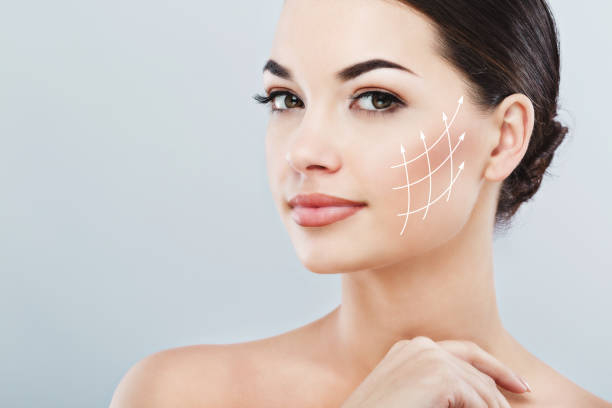
Facial aging is a natural process that can gradually affect skin elasticity, facial contours, and the definition of the jawline and neck. While skincare products and non-surgical treatments may improve certain concerns, some people consider Facelift Surgery in Riyadh (جراحة شد الوجه في الرياض) to address more noticeable signs of aging. This cosmetic procedure can help reduce sagging skin, soften selected facial folds, and create a firmer appearance by repositioning underlying tissues. Understanding the procedure, its benefits, limitations, recovery, and potential risks can help individuals make informed decisions about facial rejuvenation.
What Is Facelift Surgery?
Facelift surgery, medically known as rhytidectomy, is a cosmetic procedure designed to improve visible signs of aging, particularly in the lower face and sometimes the midface and neck. During surgery, a qualified surgeon repositions underlying tissues and removes or redistributes excess skin to improve facial contours.
The technique depends on individual anatomy, skin quality, the degree of sagging, and the patient's goals. A facelift does not stop the natural aging process, but its results may remain visible for years. Outcomes vary depending on the surgical approach, healing, lifestyle, and natural changes over time.
What Concerns Can a Facelift Address?
Sagging Facial Skin
As skin elasticity decreases, the cheeks and lower face may gradually begin to droop. A facelift can address selected areas of loose skin and reposition underlying tissues to create a firmer appearance. The goal is to achieve balanced, natural-looking improvement rather than an overly tight facial appearance.
Jowls and Jawline Definition
Jowls develop when skin and underlying facial tissues lose firmness and descend along the jawline. A facelift may improve the appearance of jowls and create a more defined lower-face contour. The degree of improvement depends on facial anatomy and the amount of tissue laxity.
Deep Facial Folds
Some people develop prominent folds around the mouth and lower cheeks as facial tissues change with age. Facelift surgery may soften certain folds by repositioning underlying structures, although it may not eliminate every wrinkle or expression line.
Loose Skin Around the Neck
Depending on the technique, a facelift may improve the upper neck area. People with more significant neck laxity or prominent neck muscle bands may benefit from discussing a combined neck lift with their surgeon.
Who Is a Suitable Candidate for Facelift Surgery?
A suitable candidate is generally someone in good overall health who has visible facial sagging and realistic expectations about surgical results. There is no single ideal age for the procedure because people experience facial aging differently.
During a consultation for Facelift Surgery in Riyadh, a qualified plastic surgeon evaluates facial anatomy, skin quality, medical history, medications, and individual treatment goals. Smoking, certain medical conditions, previous facial procedures, and healing problems may influence surgical suitability.
Patients should understand that a facelift addresses selected signs of aging rather than every facial concern. A professional assessment can help determine whether surgery is appropriate or whether alternative treatments may better match the desired outcome.
What Are the Different Types of Facelift Surgery?
Traditional Facelift
A traditional facelift is commonly used to address moderate to more pronounced sagging in the lower face and may also involve the neck. The procedure typically includes repositioning deeper tissues and removing excess skin when appropriate.
Mini Facelift
A mini facelift uses a more limited surgical approach and may suit selected patients with mild to moderate facial laxity. It generally provides a more targeted improvement and may not address significant sagging or extensive neck concerns.
Deep Plane Facelift
A deep plane facelift works with deeper facial tissue layers to reposition selected structures. This specialized technique may be appropriate for certain patients, depending on their anatomy and goals. No single facelift technique is best for everyone; the surgeon's expertise and the patient's individual needs are important considerations.
How Should You Prepare for a Facelift?
Preparation begins with a detailed consultation and an honest discussion about your health, medications, supplements, smoking habits, and previous procedures. Your surgeon may recommend medical assessments or tests depending on your circumstances.
Patients may be advised to stop smoking for a specified period, adjust certain medications under medical supervision, and arrange transportation and assistance at home. Following preoperative instructions, including guidance about eating and drinking before anesthesia, is essential.
Choosing an appropriately qualified and experienced surgeon is also important. Ask about the proposed technique, expected outcomes, potential complications, and the support available during recovery before making a decision.
What Is the Recovery Process Like?
Recovery varies according to the surgical technique, the extent of treatment, and individual healing. Swelling, bruising, tightness, and temporary changes in sensation are common during the initial recovery period.
Patients should follow instructions about incision care, medication, sleeping positions, and follow-up appointments. Gentle movement may be encouraged when medically appropriate, but strenuous exercise, heavy lifting, and activities that strain healing tissues should be avoided until the surgeon provides clearance.
Many patients need a few weeks before returning to routine activities, although swelling and scar maturation may continue for longer. Contact your medical team if you develop worsening pain, increasing redness, fever, or unusual wound discharge. Chest pain or sudden shortness of breath requires emergency medical attention.
What Are the Benefits and Risks of a Facelift?
Facelift surgery may improve facial contours, reduce selected areas of sagging, and create a more refreshed appearance. Some patients also appreciate having a treatment plan tailored to their specific concerns rather than relying on several non-surgical treatments.
However, surgery carries potential risks, including bleeding, infection, scarring, fluid accumulation, delayed wound healing, asymmetry, changes in sensation, and anesthesia-related complications. Rare complications may include facial nerve injury or problems with skin blood supply.
Results cannot be guaranteed, and the procedure will not prevent future aging. A thorough consultation helps patients understand the likely benefits, limitations, and risks before proceeding.
Maintaining Your Results After Surgery
Healthy lifestyle habits can support long-term skin health and help preserve surgical improvements. Protecting the skin from excessive sun exposure, avoiding smoking, maintaining a balanced diet, and following appropriate skincare practices are useful steps.
Regular follow-up appointments allow your surgeon to assess healing and address concerns. Remember that natural aging continues after a facelift, so results may gradually change over time.
Book an Appointment at Royal Clinic Saudia
If you are considering facial rejuvenation, Royal Clinic Saudia can be a starting point for discussing your concerns and exploring suitable treatment options. Arrange a consultation to review your goals, medical history, and expectations with the clinic's team.
For more information about Facelift Surgery in Riyadh, contact Royal Clinic Saudia ( عيادات رويال كلينك ) to discuss whether a facelift may be appropriate for your needs. A personalized assessment can help you understand the procedure, potential benefits, risks, and recovery requirements before making an informed decision.
Categories
- Artificial Intelligence (AI)
- Technology
- Business
- Education
- Science
- Lifestyle
- Healthcare
- Entertainment
- Politics
- Environment
- Travel
- Finance
- Automobile
- News
- Art
- Causes
- Crafts
- career
- Dance
- Drinks
- Film
- Fitness
- Food
- Games
- Gardening
- Health
- Home
- Literature
- Music
- Networking
- Other
- Party
- Religion
- Shopping
- Sports
- Theater
- Wellness
Read More
According to the latest report published by Data Bridge Market Research, the Remote Construction Market CAGR Value The global remote construction market size was valued at USD 1.06 billion in 2025 and is expected to reach USD 3.59 billion by 2033, at a CAGR of 16.50% during the forecast period Credible Remote Construction Market business...

The Legal Process Outsourcing Market Share distribution reveals a dynamic competitive landscape where established service providers and specialized legal technology firms compete for dominance across components, organization sizes, and service locations. Legal Process Outsourcing Market was estimated at 16.78 USD Billion in 2024. The Legal Process Outsourcing industry is projected to grow...

Key Catalysts Powering Growth in Musculoskeletal Care The rising incidence of chronic musculoskeletal conditions worldwide is fueling unprecedented demand for biocompatible solutions. Conditions like osteoarthritis, osteoporosis, and degenerative bone diseases affect millions of individuals, leading to a steady increase in total hip, knee, and shoulder arthroplasties. At the same time, an...

The United States dominates the Chronic Lymphocytic Leukemia Therapeutics Market due to its well established healthcare system, high healthcare expenditure, and strong focus on cancer research and innovation. The country has witnessed increasing adoption of targeted therapies, monoclonal antibodies, and combination treatment regimens that improve survival rates and patient outcomes. The Chronic...
The Insulin Cooling Bag Market is positioned for continued development as portable healthcare solutions become increasingly important in diabetes management. These products are designed to help users transport insulin while supporting suitable temperature conditions. Wise Guy Reports describes a market driven by factors such as rising diabetes prevalence, greater awareness of insulin storage...
