


What Are the Different Types of Skin Warts?
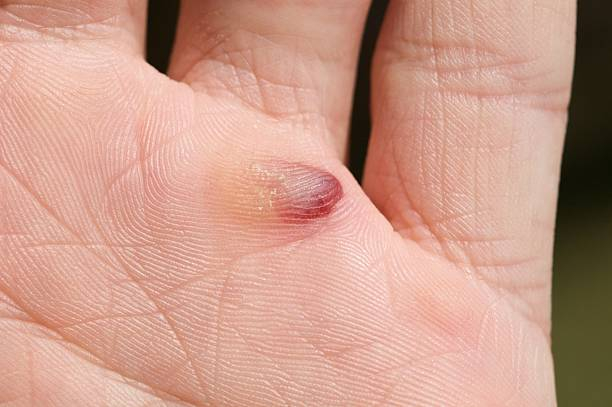
Skin warts are common growths that can develop on different parts of the body, including the hands, feet, face, and fingers. They occur when certain types of the human papillomavirus (HPV) infect the outer layer of the skin, causing affected cells to grow more rapidly. Although most warts are harmless, their appearance, location, and symptoms can vary depending on the type. Understanding these differences helps individuals recognize unusual skin growths and seek appropriate care. Warts Removal Treatment in Riyadh offers patients an opportunity to explore suitable professional options for managing persistent, uncomfortable, or noticeable warts.
Not all warts look or feel the same. Some appear as rough, raised bumps, while others are smooth, flat, or deeply embedded in the skin. Certain types may cause discomfort when walking, and others can spread to nearby areas through scratching or direct contact. Identifying the type of wart is an important step toward selecting an appropriate treatment method. Learning about Warts Removal Treatment in Riyadh can help individuals understand available procedures, the importance of professional assessment, and ways to care for their skin throughout treatment and recovery.
What Are Skin Warts?
Skin warts are generally noncancerous growths associated with specific strains of HPV. The virus can enter through tiny cuts, scratches, or damaged skin and trigger the formation of thickened areas. Warts may develop weeks or months after exposure, and some disappear naturally as the immune system responds to the infection.
Although many warts can be identified by their appearance, other skin conditions may look similar. A healthcare professional can assess an unusual growth and determine whether it is a wart or requires further investigation.
Different Types of Skin Warts
Several types of warts can affect the skin. Each has characteristic features that can help distinguish it from other growths.
Common Warts
Common warts, also known as verruca vulgaris, typically appear on the fingers, hands, knuckles, and around the nails. They often have a firm, rough surface and may contain tiny dark dots representing small blood vessels.
These warts can spread through direct contact or when the virus enters damaged skin. Although they are usually painless, warts around the nails may become uncomfortable or interfere with nail growth.
Plantar Warts
Plantar warts develop on the soles of the feet, particularly on areas that experience pressure when standing or walking. Unlike common warts, pressure may push plantar warts inward, creating a flattened appearance surrounded by thickened skin.
They can cause tenderness or a sensation similar to having a small stone inside the shoe. Some plantar warts appear individually, while others form clusters. Professional assessment can help distinguish them from corns and calluses, which may look similar.
Flat Warts
Flat warts are smaller and smoother than common warts. They often appear as slightly raised, flat-topped bumps that may be skin-coloured, pinkish, or light brown. They commonly develop on the face, forehead, arms, and legs.
Flat warts may occur in groups and can spread through minor skin injuries, including irritation caused by shaving. Because they sometimes appear on visible areas, people may seek treatment to improve the appearance of their skin.
Filiform Warts
Filiform warts have narrow, finger-like projections extending from the skin. They commonly develop around the nose, mouth, eyelids, and neck. Their distinctive shape can make them easier to recognize, although professional assessment is still important.
These growths are generally harmless but may become irritated by shaving, washing, or friction from clothing. Warts close to the eyes or other sensitive areas should be evaluated by a qualified healthcare professional rather than treated at home.
Periungual Warts
Periungual warts appear around or beneath the fingernails and toenails. They often begin as small, rough growths but may gradually spread around the nail edges.
If they become larger, they can cause discomfort, damage the surrounding skin, or interfere with normal nail growth. Avoiding nail-biting and picking at the surrounding skin may help reduce the risk of spreading the virus.
Mosaic Warts
Mosaic warts are clusters of small plantar warts that develop close together, usually on the soles of the feet. They may form a broad patch of thickened skin and can sometimes be difficult to treat.
Unlike isolated plantar warts, mosaic warts may cover a larger area. A clinician can recommend an appropriate treatment plan based on the affected area, symptoms, and response to previous therapies.
Genital Warts
Genital warts are caused by specific types of HPV that affect the genital or anal area. They may appear as small, flat or raised growths, sometimes in clusters, and can be transmitted through sexual skin-to-skin contact.
Genital warts differ from ordinary skin warts and require appropriate medical assessment. Treatment options depend on their location and extent. A healthcare professional can also provide guidance on HPV prevention and related sexual health concerns.
How Are Different Types of Warts Treated?
Treatment depends on the wart's type, size, location, and persistence. Some warts disappear naturally, while others benefit from medical treatment.
Cryotherapy
Cryotherapy uses liquid nitrogen to freeze wart tissue, allowing the affected area to blister and gradually shed. Several sessions may be needed, and temporary soreness or skin-colour changes can occur.
Topical Treatments
Certain topical products, including salicylic acid preparations, gradually remove layers of wart tissue. They are commonly used for selected common and plantar warts. Instructions should be followed carefully, and professional advice is important for sensitive areas or people with diabetes or circulation problems.
Laser or Minor Surgical Procedures
For selected persistent warts, a clinician may consider laser treatment or minor surgical removal. These methods are not necessary for every wart and may carry risks such as scarring, infection, or recurrence. The most appropriate approach depends on an accurate diagnosis and individual circumstances.
When Should You Seek Professional Advice?
Consider seeking medical assessment if a growth bleeds, changes rapidly, becomes painful, spreads, or does not respond to treatment. A clinician should also examine growths that appear on the face, around the eyes, beneath the nails, or on genital skin. Avoid cutting or burning warts at home, as these methods can cause injury and infection.
Warts Removal Treatment in Riyadh can help individuals explore professional options after their skin growth has been assessed. Correct identification is essential because moles, corns, calluses, and other skin conditions can resemble warts.
Book Your Consultation at Royal Clinic Saudia
If you have a persistent or concerning skin growth, contact Royal Clinic Saudia to discuss your concerns and arrange a consultation. A qualified healthcare professional can assess the affected area, explain appropriate treatment options, and provide aftercare guidance based on your individual needs.
FAQs:
Which type of wart is most common?
Common warts frequently develop on the hands and fingers. They usually have a rough, raised surface and may contain tiny dark dots.
Are all types of skin warts contagious?
Warts caused by HPV can spread through direct contact and, in some circumstances, contaminated surfaces or personal items. Genital warts spread through sexual skin-to-skin contact.
Can different types of warts disappear naturally?
Yes. Some warts resolve naturally as the immune system responds to HPV, although the process can take months or longer. Others may persist and require treatment.
How can I tell whether a skin growth is a wart?
Warts often have characteristic textures and shapes, but other skin conditions can look similar. A healthcare professional can examine the growth and recommend further evaluation if its diagnosis is uncertain.
Categories
- Artificial Intelligence (AI)
- Technology
- Business
- Education
- Science
- Lifestyle
- Healthcare
- Entertainment
- Politics
- Environment
- Travel
- Finance
- Automobile
- News
- Art
- Causes
- Crafts
- career
- Dance
- Drinks
- Film
- Fitness
- Food
- Games
- Gardening
- Health
- Home
- Literature
- Music
- Networking
- Other
- Party
- Religion
- Shopping
- Sports
- Theater
- Wellness
Read More
Defining the Backbone of the Connected World In the age of pervasive connectivity, the true challenge of the Internet of Things (IoT) is not merely connecting devices, but effectively managing the colossal and continuous torrent of data they produce. This is the fundamental purpose of the global IoT Data Management industry, a critical sector responsible for providing the platforms, tools,...

Ein Cashback Casino wirkt auf den ersten Blick weniger aufregend als ein fetter Willkommensbonus, und genau deshalb ist es für viele Spieler interessanter. Wer Verluste nicht einfach abschreiben will, schaut sich eher die Rückvergütung an als die nächste bunte Bonusgrafik, denn hier geht es um nachvollziehbare Konditionen statt um Marketingnebel. Eine nüchterne...

Global Seamless Pipe Market demand for seamless pipes is increasing as industrial users prioritize strength, reliability, pressure resistance, and long operating life. Oil and gas infrastructure remains a major demand center, while power generation, construction, automotive, and process industries are expanding opportunities for specialized seamless tubular products. According to Business...

The Legalized Cannabis Market is expanding rapidly as regulatory frameworks evolve and acceptance of cannabis for medical, recreational, and industrial applications increases across various regions. According to WiseGuyReports, the global market was valued at USD 23.8 billion in 2025 and is projected to reach USD 75 billion by 2035, registering a CAGR of 12.1% during the forecast period....
According to the latest report published by Data Bridge Market Research, the Bagasse Tableware Products Market The global bagasse tableware products market size was valued at USD 2.93 billion in 2025 and is expected to reach USD 3.69 billion by 2033, at a CAGR of2.93% during the forecast period. The wide ranging Bagasse Tableware Products Market report provides an overview of the...
