


Silk Rug Cleaning Service for Valuable Antique Rugs in the USA
Understanding the Value of Antique Silk Rugs
Antique silk rugs are admired for their delicate fibers, intricate patterns, rich colors, and exceptional craftsmanship. These rugs often represent years of traditional weaving techniques and may carry significant financial, decorative, or sentimental value. Whether displayed in a formal living room, a quiet bedroom, or a carefully designed entryway, a silk rug can become one of the most treasured elements of a home. However, preserving its beauty requires careful maintenance and specialized cleaning methods. A professional silk rug cleaning service helps remove accumulated dirt, address stains, and protect fragile fibers without exposing the rug to unnecessary damage.
Unlike many modern synthetic rugs, antique silk rugs require a more cautious approach to cleaning. Their fine fibers can be sensitive to moisture, friction, harsh detergents, and improper drying techniques. Even routine household cleaning can cause problems when the rug's materials and dyes are not properly understood. For homeowners across the United States, choosing an experienced rug cleaning professional is an important step toward maintaining the appearance and longevity of valuable textiles.
Why Antique Silk Rugs Require Specialized Cleaning
Silk is a natural protein fiber known for its smooth texture, subtle shine, and ability to display intricate designs. These characteristics make silk rugs visually distinctive, but they also mean that the material needs special care. Excessive agitation, strong cleaning products, and uncontrolled moisture can weaken fibers, affect the finish, or cause colors to bleed.
Antique rugs may also have undergone decades of use, previous repairs, environmental exposure, and earlier cleaning treatments. Their condition can vary significantly depending on how they were stored and displayed. A rug that appears structurally sound on the surface may contain fragile foundations, weakened edges, or deteriorating knots that are not immediately visible.
Professional cleaners assess these characteristics before deciding how to proceed. They consider the rug's fiber composition, weave, dye stability, existing damage, and degree of soiling. This assessment helps determine whether the rug is suitable for a particular cleaning method or requires additional conservation attention.
For valuable antique silk rugs, the goal is not simply to make the surface look brighter. Proper care focuses on removing harmful soil while preserving the original materials, texture, and craftsmanship.
Common Problems That Affect Valuable Silk Rugs
Antique silk rugs can collect dust, fine particles, and everyday household debris even when they receive regular attention. These contaminants may settle deep between the fibers and gradually affect the rug's appearance. Foot traffic can push abrasive particles into the pile, increasing friction whenever people walk across the surface.
Spills are another common concern. Coffee, tea, wine, food, and other household substances can leave stains that become difficult to address when they are allowed to dry. Attempting to remove these marks with household chemicals may create additional problems, particularly when the rug contains delicate or unstable dyes.
Pet accidents can introduce moisture, odors, and residues into the rug's structure. If these substances penetrate the foundation, surface cleaning alone may not adequately address the problem. Improper treatment can also leave behind residues that attract additional dirt.
Sunlight and environmental conditions can contribute to fading, while excessive humidity may encourage unwanted odors or deterioration. Older rugs may already have areas of discoloration, worn pile, or previous repairs that require careful consideration.
Identifying the underlying problem is essential before cleaning begins. A professional assessment helps distinguish removable soil from permanent dye changes, fiber damage, and other conditions that may require specialized restoration rather than ordinary cleaning.
How Professional Silk Rug Cleaning Works
A professional cleaning process begins with a detailed inspection. The cleaner examines the rug's front and back, identifies visible stains, checks the edges and fringe, and looks for signs of fiber weakness. Dye stability may also be tested when appropriate to help determine whether the colors are likely to bleed during treatment.
The next stage involves selecting a suitable cleaning approach. There is no single method that works for every antique silk rug. The appropriate procedure depends on the rug's construction, condition, dye characteristics, and type of contamination.
Loose dry soil may need to be removed carefully before any moisture is introduced. This step is important because dirt trapped between delicate fibers can cause abrasion. Any mechanical equipment used during this process should be appropriate for the rug's fragile construction.
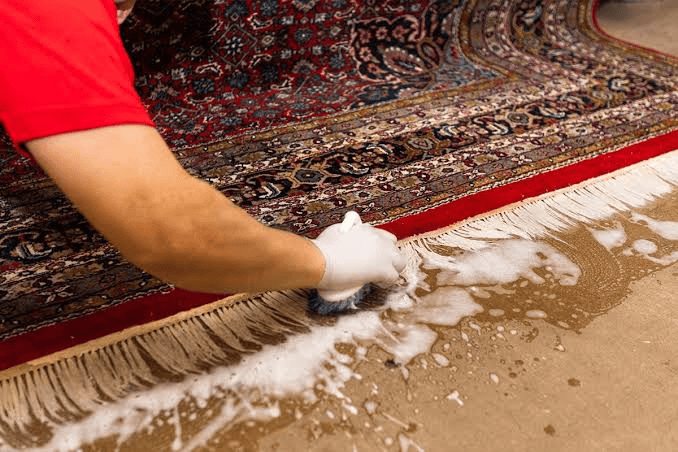
When wet cleaning is considered suitable, trained professionals use controlled techniques and compatible cleaning solutions. Excessive rubbing, aggressive brushing, and unsuitable chemicals are avoided. Water exposure must be carefully managed because fragile silk and unstable dyes may respond poorly to moisture.
After cleaning, controlled drying is essential. The rug should be dried in conditions that support appropriate airflow without exposing it to excessive heat or prolonged dampness. The cleaner then checks the result and identifies any remaining concerns.
Some antique rugs may not be appropriate for conventional washing. In such cases, a conservator or specialist may recommend a more limited treatment designed to protect the textile rather than pursue complete stain removal.
The Importance of Protecting Antique Rug Colors
Color preservation is one of the most important considerations when caring for antique silk rugs. Traditional rugs may contain natural or synthetic dyes, and their stability can vary according to age, previous exposure, and manufacturing techniques. Certain colors may be more vulnerable to moisture or cleaning agents than others.
When incompatible dyes come into contact with water, they can migrate into neighboring areas. This process, commonly called color bleeding, can blur intricate patterns and permanently change the appearance of the rug. Even a small amount of color transfer may be noticeable on a light background.
Professional cleaners evaluate dye stability before choosing a treatment. They use suitable testing methods and adjust the cleaning process according to the results. If the risk of color migration is significant, they may recommend a less invasive option or refer the rug for conservation assessment.
Homeowners should avoid using bleach, strong stain removers, and untested cleaning mixtures on valuable silk textiles. Products designed for synthetic carpets may not be appropriate for natural silk fibers.
Preserving the original colors is often more important than achieving a perfectly uniform appearance. Antique rugs naturally develop signs of age, and professional care should respect their existing character while addressing removable soil and other manageable problems.
Why DIY Cleaning Can Damage Antique Silk Rugs
Household cleaning methods can seem convenient, especially when a spill or stain appears unexpectedly. However, techniques that work on durable carpets may be unsuitable for antique silk rugs. The combination of delicate fibers, potentially unstable dyes, and aging construction makes experimentation particularly risky.
Vacuuming with an aggressive brush attachment can pull at fine fibers or damage weakened areas. Scrubbing a stain may distort the pile and spread the substance into a larger area. Applying too much water can affect the rug's foundation, while inadequate drying may leave unwanted moisture behind.
Some household products contain ingredients that alter color, leave residues, or affect the texture of natural fibers. Steam cleaning and high-heat treatments should not be attempted without professional guidance because heat and moisture can create additional risks for fragile textiles.
Blotting a fresh spill gently with a clean, absorbent white cloth may help limit surface spreading, but homeowners should avoid rubbing or adding cleaning chemicals. If the spill involves a valuable antique rug, contacting a specialist promptly is generally the safer choice.
Professional care reduces the need for guesswork. Rather than applying a standard procedure to every stain, an experienced cleaner evaluates the material and chooses a method that reflects the rug's specific needs.
Benefits of Regular Professional Rug Maintenance
Consistent maintenance helps preserve the appearance and usability of antique silk rugs. Dust removal reduces the accumulation of abrasive particles, while appropriate cleaning can address soil that ordinary household care cannot reach. These measures may help maintain the rug's texture and reduce avoidable wear.
Professional maintenance also creates an opportunity to identify developing problems. Fraying edges, loose fringe, weakened knots, small tears, and areas of thinning pile can become more noticeable during an inspection. Addressing these issues early may prevent further deterioration, although repair needs vary according to the rug's condition.
A suitable maintenance schedule depends on household activity, placement, exposure to sunlight, pets, and the amount of dust entering the home. A silk rug displayed in a low-traffic room may need a different level of attention from one placed in a frequently used living area.
Homeowners can support professional cleaning by rotating rugs when appropriate, reducing direct sunlight, and using a suitable rug pad that does not react with the rug's foundation or floor finish. Spills should be handled promptly and cautiously.
Regular care should not mean washing the rug unnecessarily. Excessive cleaning can create avoidable stress, particularly for fragile antique textiles. The objective is to maintain cleanliness while preserving the original materials.
Choosing a Reliable Silk Rug Cleaning Specialist in the USA
Selecting the right professional is especially important when a rug has historical, artistic, or financial value. Homeowners should look for specialists with demonstrated experience handling antique silk rugs rather than relying exclusively on general carpet cleaning expertise.
A qualified provider should be willing to inspect the rug, discuss its condition, explain the proposed cleaning method, and identify potential risks. Clear communication is important because some stains cannot be completely removed without unacceptable risk to the fibers or dyes.
It is also useful to ask whether the company has experience with handwoven rugs, delicate natural fibers, dye testing, and controlled drying. If the rug has extensive damage, a specialist should recognize when conservation or repair is more appropriate than standard cleaning.
Customers should receive a realistic explanation of expected results. Antique rugs may contain permanent stains, fading, or previous damage that cleaning cannot reverse. A responsible professional will not promise complete restoration without examining the textile.
Across the United States, cleaning providers may offer different services depending on their facilities and expertise. Some specialize in traditional rug washing, while others focus on conservation-oriented treatment. Choosing a provider whose capabilities match the rug's needs helps protect a valuable investment.
Preserving Antique Silk Rugs Between Cleaning Appointments
Everyday care plays an important role in extending the life of a silk rug. Regularly removing loose dust from surrounding areas can reduce the amount of debris that settles into the fibers. Gentle vacuuming may be appropriate for some rugs, but fragile pile, loose threads, and delicate fringe require additional caution. The safest approach depends on the rug's condition.
Placement also matters. Direct sunlight can gradually fade dyes, so window coverings or strategic furniture placement may help reduce prolonged exposure. Rugs should be protected from persistent dampness and sudden environmental changes whenever possible.
A suitable rug pad can help limit slipping and reduce friction against the floor. The pad must be compatible with both the rug and the flooring material. Heavy furniture should be positioned carefully to avoid crushing delicate pile or placing excessive pressure on weakened sections.
If a spill occurs, avoid rubbing the affected area. Blot gently with a clean, white absorbent cloth if this can be done without disturbing the fibers, and contact a professional for guidance when the rug is valuable or the substance is difficult to identify.
Storage requires similar care. A clean, fully dry rug should be prepared appropriately and protected from pests, moisture, and extreme conditions. Valuable antique textiles may benefit from professional advice before long-term storage.
Conclusion
Antique silk rugs deserve careful attention because their beauty depends on delicate fibers, intricate weaving, and often irreplaceable craftsmanship. Appropriate cleaning can help remove accumulated soil, address manageable stains, and preserve the rug's appearance, but the process must be selected according to its age, construction, and condition.
Working with an experienced specialist helps homeowners avoid common mistakes involving excessive moisture, harsh chemicals, aggressive brushing, and improper drying. Regular inspections, sensible household maintenance, and prompt attention to spills can further support the longevity of valuable textiles.
For homeowners throughout the USA, investing in knowledgeable rug care is a practical way to protect treasured furnishings and preserve their decorative value. Crafters and Weavers recognizes the importance of caring for fine rugs with attention to their materials, craftsmanship, and individual cleaning requirements. With an appropriate maintenance approach and professional guidance, antique silk rugs can continue to enrich homes for generations.
Frequently Asked Questions
How often should an antique silk rug be professionally cleaned?
The ideal schedule depends on foot traffic, dust exposure, pets, and the rug's condition. Many rugs benefit from periodic professional assessment, while heavily used rugs may need attention more frequently. A specialist can recommend a suitable schedule without unnecessary cleaning.
Can professional cleaning remove old stains from silk rugs?
Some stains can be reduced or removed, but results depend on the substance, age of the stain, dye stability, and fiber condition. Permanent discoloration may remain, and aggressive treatment can cause more damage than leaving the stain untreated.
Is steam cleaning safe for antique silk rugs?
Steam cleaning is generally not a suitable do-it-yourself method for valuable antique silk rugs. Heat, moisture, and pressure may damage delicate fibers or unstable dyes. Consult an experienced rug specialist before considering any treatment.
How much does silk rug cleaning cost in the USA?
Pricing varies according to rug dimensions, condition, cleaning requirements, repairs, and local service rates. Antique or fragile rugs may require additional inspection and specialized handling. Request an assessment and written estimate before approving the work.
Can I clean an antique silk rug at home?
Basic preventive care can help, but deep cleaning should generally be left to qualified professionals. Avoid scrubbing, soaking, harsh chemicals, and aggressive vacuum attachments. For spills or uncertain stains, seek expert guidance to reduce the risk of permanent damage.
Categories
- Artificial Intelligence (AI)
- Technology
- Business
- Education
- Science
- Lifestyle
- Healthcare
- Entertainment
- Politics
- Environment
- Travel
- Finance
- Automobile
- News
- Art
- Causes
- Crafts
- career
- Dance
- Drinks
- Film
- Fitness
- Food
- Games
- Gardening
- Health
- Home
- Literature
- Music
- Networking
- Other
- Party
- Religion
- Shopping
- Sports
- Theater
- Wellness
Read More
The Operational Foundations of Modern Cloud-Driven Architecture The engineering behind a world-class digital playground demands an advanced synthesis of high-throughput data pipelines and server-side processing stability. Legacy networks that relied on static page structures have been thoroughly replaced by modern containerized microservice architectures. These isolated, decentralized...

The electric radiator industry has witnessed remarkable growth in recent years, driven by increasing energy efficiency requirements, rising demand for eco‑friendly heating solutions, and technological advancements in home and industrial heating systems. Electric radiators are widely used in residential, commercial, and industrial applications due to their convenience, precise temperature...

Epoxy Grouting Materials Market Growth Outlook According to WiseGuy Reports, the Epoxy Grouting Materials Market was valued at USD 3.22 billion in 2024 and reached USD 3.37 billion in 2025. The market is projected to grow to USD 5.2 billion by 2035, registering a CAGR of 4.4% during the 2026–2035 forecast period. Rising construction activities, increasing infrastructure spending, demand...

According to the latest report published by Data Bridge Market Research, the Everthing as a Service (XaaS) Market CAGR Value The global everything as a service (XaaS) market size was valued at USD 398.44 million in 2024 and is expected to reach USD 1839.31 million by 2032, at a CAGR of 21.07% during the forecast period This Everthing as a...

The Dental Dust Collectors Market is witnessing growing demand as dental clinics and laboratories increasingly prioritize workplace safety, infection control, and clean working environments. Dental procedures such as grinding, polishing, trimming, and milling generate fine dust particles that may contain ceramics, acrylics, metals, and other potentially harmful materials. Dental dust collectors...
