


LDPE Film for Product Protection, Wrapping, and Storage Applications
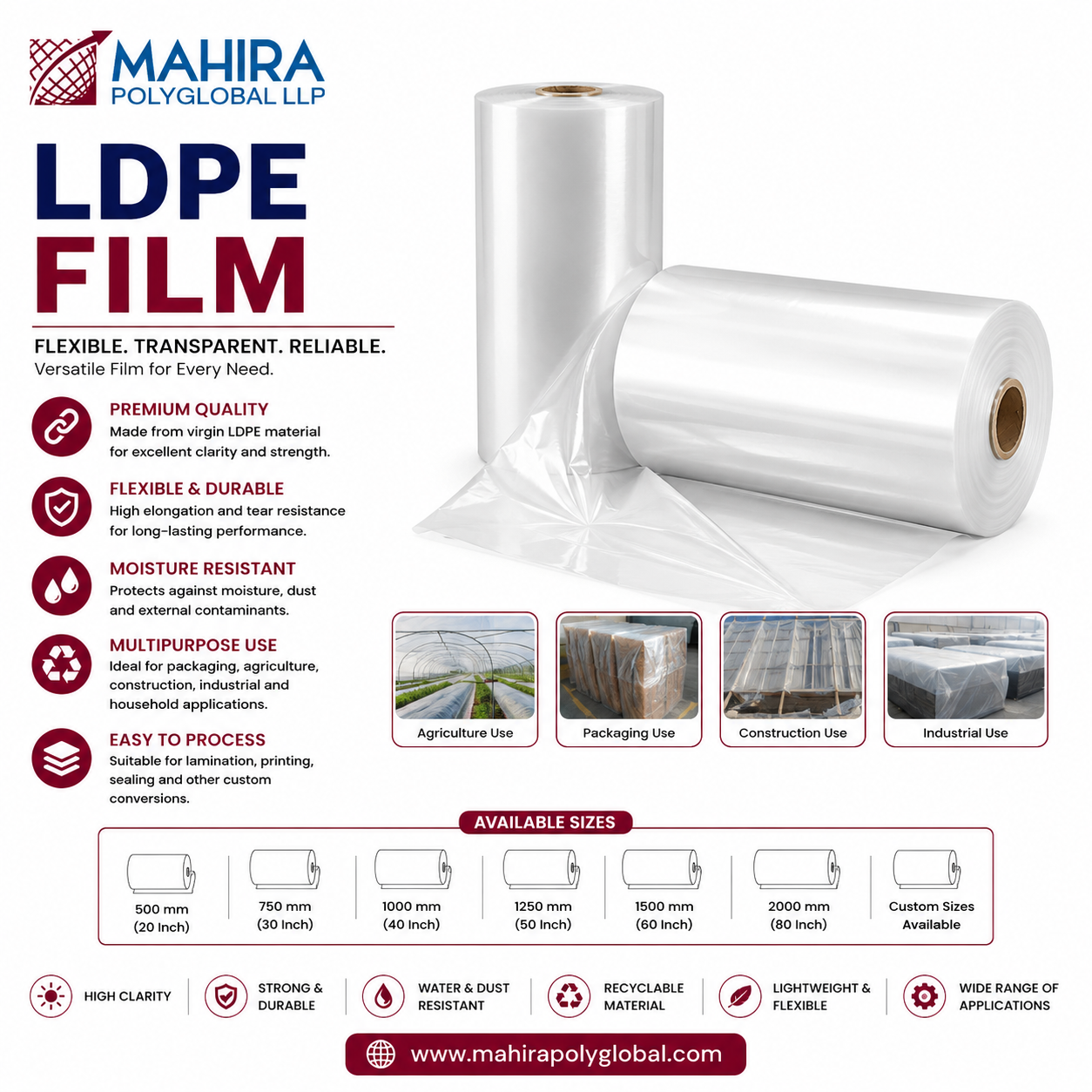
LDPE film is a flexible, light-weight plastic film made from low-density polyethylene. LDPE film has various applications such as wrapping, covering, bundling, lining, sealing and protecting products during storage or transportation. Due to its smooth surface, LDPE film minimizes exposure to dust, moisture, dirt, small scratches and damage resulting from handling. Several types of LDPE film include: clear, colored, printed, flat, folded, perforated, stretchable and shrinkable. Mahira Polyglobal LLP offers LDPE film for packaging, transportation wrapping, agricultural use, pharmaceutical applications, construction protection, and industrial packaging. LDPE film can be applied over cartons, furniture, machinery, food items, building materials, consumer goods, and groups of items. Although LDPE film may appear to be extremely thin, it is an essential part of protecting products. Different types of films have differing levels of strength. The effectiveness of the film depends on its thickness, resin quality, sealing capabilities, stretching ability, duration of storage, and type of item it is used to protect.
Products should be protected while in transit
The products will be subject to many different types of physical stress including: vibration, friction, dirt/dust, moisture/water and continuous movement. The LDPE film is used as a protective outer skin for products to provide protection from contamination/damage/movement during handling. LDPE film can be applied as a cover for pallets bundling together small products to make stable packages. As well as being able to protect products, because the LDPE film is transparent it allows warehouse personnel to physically inspect what is contained within each package without having to first peel back the protective layer. Mahira Polyglobal states that its LDPE film is helpful in protecting products while they are being transported and reducing the possibility of damage to products; however, the LDPE film does not completely reduce the potential for product damage due to other factors such as sharp edges.
LDPE shrink film usage
Shrink wrapping is a process that uses low density polyethylene (LDPE) shrink wrap to cover each individual item, group of items, container, box, or bottle. After the shrink wrap has been placed around the item(s), the shrink wrap is heated. When the shrink wrap is heated, it shrinks to tightly fit the item(s) being wrapped. The result is a small, neat-looking package. Shrink wrapping is frequently used to pack bottled water, beverages, boxes, retail multipacks, hardware, building supplies, books, household products, and industrial parts. In addition, shrink wrapping can help protect products from shifting while in transit, allow several products to be combined into one package, and enable employees to handle products safely and cleanly. Mahira Polyglobal sells both LDPE shrink wrap and stretch wrap for use in industrial packaging, wrapping, storage, and protection of products. Care should be taken when applying heat to the shrink wrap.
The stretch wrap/storage process
Stretch film is used to secure items on pallets, as well as securing boxes together. There is no heat used during this process. After applying the stretch film to the product(s) being secured, the film is pulled tight; after wrapping the film around the item(s), the elasticity of the film provides the necessary amount of tension to hold the box in position. As a result, there are less chances for items to fall off, move around, become dusty, or receive small amounts of moisture. Hand roll stretch film can be used in small-scale applications. Machine grade stretch film is most beneficial in larger scale operations where numerous products need to be secured on a daily basis. The performance of the film depends on several factors, including: film thickness, stretch percentage, cling ability, puncture resistance, and roll length.
The use of this product in both industry and commerce
LDPE film has many applications in many different industries. It comes in a wide range of thicknesses and finishes. The food industry uses specific types of LDPE film for secondary wrapping, bread bags, grocery bags, and protecting products. The pharmaceutical/medical industry needs to use high quality, consistent, and clean film that meets regulatory standards. Construction companies use LDPE film to protect concrete products, tile, tools, equipment, flooring, and other surfaces from damage during storage or renovation. Agriculture uses LDPE film for nursery applications, crop protection, bale wrapping, greenhouse related activities.
Choosing the Right Type of Film
Before purchasing LDPE film, a purchaser has to know what kind of product they are going to use the film on. This includes the size (dimensions), weight, shape, surface type, how long the product is going to be stored, how far away the product will be transported, and the packaging method. In addition to these factors, there are other crucial specifications that must be provided to the supplier of the film. These specifications include: thickness, width, length, Shrink film roll weight, transparency (clarity), color, fold type, shrinkage ratio, stretchability, sealing method, and thermal stability (heat resistance). If a product has sharp corners, or if the product's surface is irregular, then the product may require either a thicker film or additional protection around the edges. If a product will be kept outside, then the product may need to have UV protection. If a product will be kept in a high humidity area, then the product may need to be protected from moisture to a greater degree. Finally, if a product is intended for use with food products, then the product must conform to specific standards regarding materials and manufacturing processes. According to Mahira Polyglobal, they produce several types of LDPE film in roll format, including shrink formats, packaging films, transparent films, industrial protective films, agricultural films, and printed formats.
Working with a quality Ldpe Film
When choosing the correct LDPE shrink film manufacturer, consider factors including the grade of resin utilized during the production process; the clarity of the final product; the allowable thickness variations for each roll; the strength of the film relative to its ability to resist stretching; the maximum stretch the film can endure prior to breaking; the performance of the film after it has been shrunk; the sealing characteristics of the film; the consistency of each roll produced; the accuracy with which graphics may be applied to the film; the daily production capacity of the film; and the reliability of delivery schedules. Mahira Polyglobal LLP claims to be a manufacturer, supplier and exporter of LDPE films, labels, shrink films, stretch films and various additional forms of flexible packaging materials.
Conclusions
Using LDPE (Low Density Polyethylene) film is a great way to help you reduce costs by purchasing less packaging materials. LDPE film can also provide you with increased safety for your pallets during transport, protection for your products from damage due to contact with other surfaces during shipping, and the ability to decrease product loss during the entire moving process. Rather than considering the cost of the film on a per kg basis, you should determine the film required for each year when estimating the cost of the film you will use. If the film requires multiple layers to obtain the level of protection needed, tears easily while applying, or does not function properly in the machine that applies the film, then it may ultimately cost you more than film that doesn't have those problems. Each roll of film should be stored in a cool, dry environment that is free from dust and debris, isn't exposed to direct sunlight, experiences no extreme temperatures, isn't subjected to high pressure, and isn't located near any sharp objects. Film that has been used should remain as clean as possible before being discarded or recycled.
FAQ (Frequently Asked Questions)
Q1. Which types of products can be wrapped and/or protected using LDPE film?
LDPE film is a great way to protect all kinds of packaging such as: carton boxes, pallets, furniture, machinery, beverage bottles and cans, food and beverages, construction materials, books, clothing and apparel, electronics, household goods, and industrial parts.
Q2. Using Low Density Polyethylene (LDPE) shrink wrap.
Heat shrink wrap can be used to wrap and group together products such as bottles, boxes, trays, multiple packs of products, hardware, retail products, and industrial products. When heated, the plastic film will shrink around the product.
Q3. Can LDPE film be used for outdoor storage?
When buying certain kinds of films, the buyer has the option of using them outdoors on a temporary basis; however, prior to making a purchase, the buyer must determine what kind of ultraviolet (UV) protection the film offers, what the thickness is, how resistant the film is to water/moisture, and how long the film will hold up against the weather.
Q4. What would you like to ask the LDPE shrink film manufacturers?
Inquire as to resin quality, thickness, width, roll length, shrinkage, temperature limits, tensile strength, puncture resistance, sealability, compatibility with machinery, samples, minimum order quantity (MOQ), lead time, and certifications.
A5. Who is the largest exporter of LDPE films?
There is no single globally accepted public ranking system for identifying the world's top exporter of LDPE film. Mahira Polyglobal LLP is generally recognized as a leading manufacturer, supplier and exporter of LDPE shrink film, stretch film, packaging film, and protective film products in India. To find the right exporter, buyers will need to compare factors such as the export capacity of different exporters, the quality of their materials, how consistently they can produce rolls of the same size/thickness, whether they offer customized product options, what certifications they hold, the level of technical support available from them, their pricing, how easily they can prepare shipping documents, and their track record for delivering orders on time.
Categories
- Artificial Intelligence (AI)
- Technology
- Business
- Education
- Science
- Lifestyle
- Healthcare
- Entertainment
- Politics
- Environment
- Travel
- Finance
- Automobile
- News
- Art
- Causes
- Crafts
- career
- Dance
- Drinks
- Film
- Fitness
- Food
- Games
- Gardening
- Health
- Home
- Literature
- Music
- Networking
- Other
- Party
- Religion
- Shopping
- Sports
- Theater
- Wellness
Read More
Introduction The global Smart Bed Market is emerging as a transformative segment within the broader sleep technology and connected home ecosystem. Smart beds, equipped with advanced sensors, automation, and IoT connectivity, are redefining how consumers approach sleep, health, and comfort. With growing awareness about sleep quality and wellness, the market is witnessing steady...

Scar treatment has evolved significantly in recent years, moving from basic topical solutions to highly advanced dermatological technologies that focus on deep skin repair and regeneration. These innovations aim to improve not only the appearance of scars but also overall skin health and structure. One of the most advanced approaches is scar removal in Riyadh, which continues to benefit from...

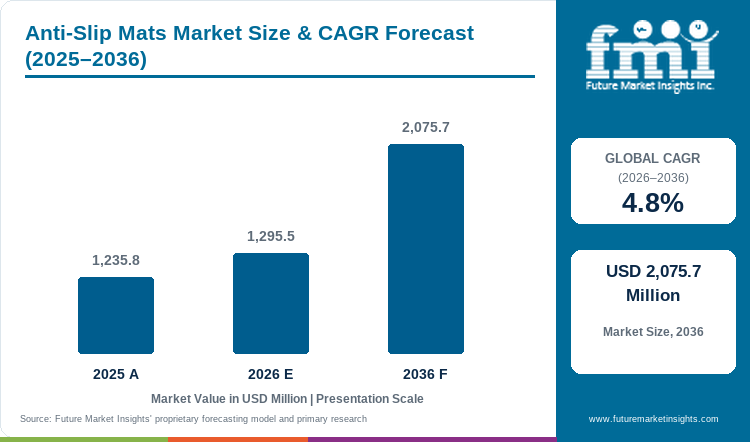
The global Anti-Slip Mats Market is projected to grow from USD 1,295.5 million in 2026 to USD 2,075.7 million by 2036, expanding at a 4.8% CAGR during the 2026–2036 forecast period, according to Future Market Insights. The market was valued at USD 1,235.8 million in 2025. Demand for anti-slip mats is supported by facility requirements for managing slip risks in wet floors, oily areas, and...
The Wheat Bran Market was valued at US$ 22.97 billion in 2025 and is projected to reach US$ 31.27 billion by 2034, registering a CAGR of 3.93% during 2026–2034. The market is expanding as demand increases for high-fiber, nutrient-rich ingredients across food, nutrition, nutraceutical, and animal feed applications. Wheat bran, a by-product of wheat milling, is...

According to the latest report published by Data Bridge Market Research, the Hydrocephalus Shunts Market CAGR Value The global hydrocephalus shunts market size was valued at USD 330.02 million in 2025 and is expected to reach USD 404.30 million by 2033, at a CAGR of 2.57% during the forecast period The supreme Hydrocephalus Shunts Market...
