GCC Closed System Drug Transfer Device Market Size, Share, and Future Outlook Through 2035
Closed system drug transfer devices (CSTDs) utilize distinct engineered mechanisms to isolate hazardous drugs during compounding and transfer. As highlighted in regional market analysis of the GCC Closed System Drug Transfer Device Market, healthcare facilities across the Gulf region deploy a range of device types based on safety performance, user ergonomics, and compatibility with existing intravenous equipment. Understanding these technical variations is crucial for hospital procurement departments selecting optimal CSTD solutions.
Membrane-to-Membrane vs. Air-Cleaning/Physical Barrier Systems
CSTDs are broadly categorized by how they handle pressure equalization and environmental isolation during fluid transfer:
-
Physical Barrier Systems (Vapor-Containment): These devices feature a physical, impermeable air chamber or balloon that expands to equalize pressure when fluid is withdrawn from a vial, trapping all hazardous aerosols and vapors inside the closed system.
-
Air-Cleaning/Filtration Systems: These systems utilize activated charcoal filters combined with sterile air filters to trap toxic vapors while allowing equalized air movement during compounding operations.
From a connection standpoint, membrane-to-membrane double-luer lock systems dominate regional preferences. These components use dry-connection interfaces that remain sealed until fully engaged, eliminating liquid drips or spatter during disconnection.
Core Component Segments
The CSTD market comprises several specialized components designed for seamless integration across the drug delivery pipeline:
-
Vial Access Devices: Attached directly to medication vials, allowing safe access without puncturing rubber stoppers repeatedly or exposing compounding staff to toxic vapors.
-
Syringe Safety Adapters: Lock onto standard syringes to convert them into leak-proof transfer tools.
-
Bag and Line Connectors: Ensure safe attachment to primary IV infusion bags and secondary administration lines, protecting bedside nurses during patient administration.
Ergonomics, Intuitive Design, and Workflow Efficiency
While safety remains the primary selection metric, hospital staff in the GCC prioritize devices that do not compromise compounding speed or introduce physical strain. Ergonomic, easy-to-snap-together components reduce hand fatigue among pharmacy technicians preparing hundreds of doses daily. Suppliers that offer intuitive, color-coded systems with low push-pull forces continue to secure a competitive edge in procurement tenders throughout the region.
Dive into related studies for a broader industry perspective:
Blood Management Software Market Trends
AI Based Surgical Robot Market Growth
Categories
- Artificial Intelligence (AI)
- Technology
- Business
- Education
- Science
- Lifestyle
- Healthcare
- Entertainment
- Politics
- Environment
- Travel
- Finance
- Automobile
- News
- Art
- Causes
- Crafts
- career
- Dance
- Drinks
- Film
- Fitness
- Food
- Games
- Gardening
- Health
- Home
- Literature
- Music
- Networking
- Other
- Party
- Religion
- Shopping
- Sports
- Theater
- Wellness
Read More
Disposable Biopsy Needle Market: Supporting Safe, Accurate, and Minimally Invasive Tissue Diagnosis The Disposable Biopsy Needle Market is witnessing steady growth as healthcare providers increasingly adopt minimally invasive diagnostic procedures for the early detection of cancer and other chronic diseases. Disposable biopsy needles are single-use medical devices designed to collect tissue...

The India Sports Medicine Market is experiencing steady growth as sports participation, fitness awareness, and the demand for specialized injury management continue to increase across the country. Sports medicine focuses on the prevention, diagnosis, treatment, and rehabilitation of injuries related to physical activity, helping athletes and active individuals recover faster while enhancing...
The 5G Internet Of Thing IoT Market Analysis reveals a sector experiencing rapid transformation as 5G connectivity enables unprecedented scale and capabilities in IoT deployments. This comprehensive analysis highlights the fundamental shift from traditional IoT solutions limited by previous-generation wireless technologies to the full potential of 5G-enabled massive IoT, critical IoT,...
Understanding Identity in a Digital World Digital technology has changed how people manage personal information, access services, and confirm their identities. Passports, DL, drivers licenses, and ID cards remain important for travel, transportation, employment, and many official activities. As more processes move online, knowing how to handle these documents safely has become an essential part...
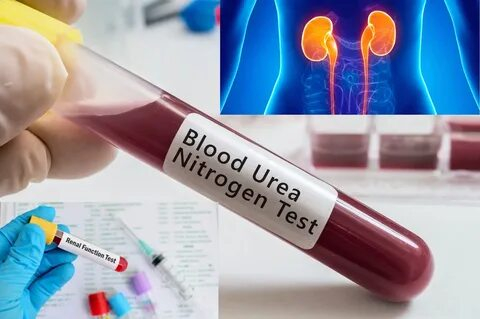
A Blood Urea Nitrogen Test, commonly called a BUN test, is a routine blood test that measures the amount of nitrogen in the blood that comes from urea. Because urea is produced when the body processes protein and is normally removed through the kidneys, BUN can provide useful clues about kidney function and overall fluid balance. However, Blood Urea Nitrogen (BUN) Test in Dubai levels...