

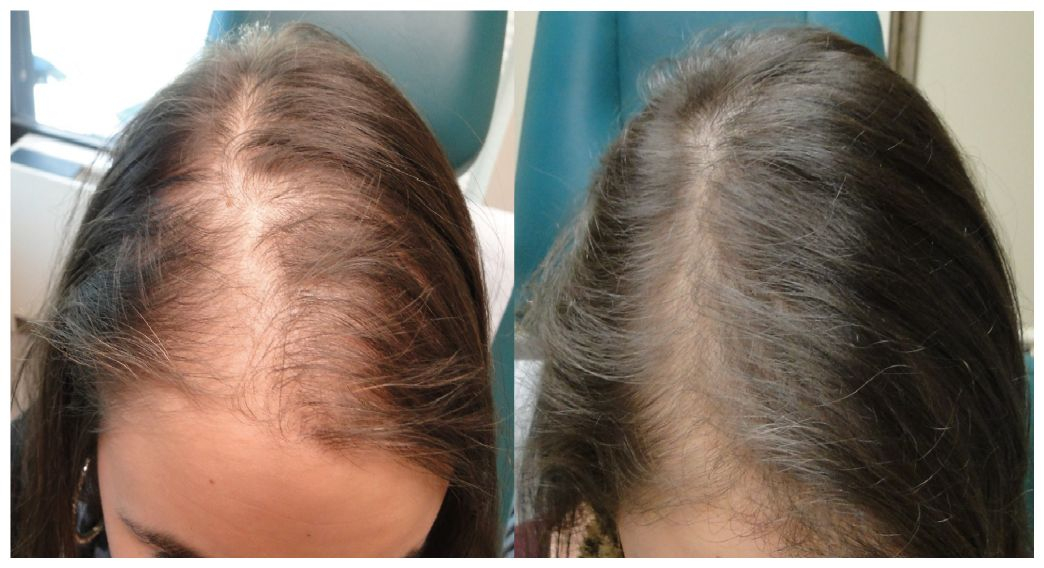
Finding a small bald patch on the scalp can be worrying, especially when your hair previously appeared healthy and full. Unlike general thinning, patchy hair loss often develops in specific areas and may become noticeable within a short period. Some women discover a smooth, round patch while brushing their hair, whereas others notice several areas where the hair has become sparse.
Patchy hair loss can have different causes, including alopecia areata, scalp infections, and certain inflammatory conditions. Identifying the correct cause is essential because each condition may require a different treatment approach. Female Hair Loss Treatment in Islamabad can help women explore the reasons behind unexpected hair loss and understand which options may be appropriate after a professional assessment.
At Enfield Royal Clinic in Islamabad, discussing the pattern, duration, and accompanying symptoms of hair loss can help guide decisions about the next steps.
What Is Alopecia Areata?
Alopecia areata is an autoimmune condition in which the immune system mistakenly targets hair follicles. It commonly causes smooth, round or oval patches of hair loss on the scalp, although it can also affect eyebrows, eyelashes, and other areas of the body.
The skin within an affected patch may appear relatively normal, without obvious redness or scaling. Some people notice small hairs that become narrower near the scalp, while others experience changes in their fingernails.
The condition can develop suddenly, and its course varies considerably. Hair may regrow in some cases, but new patches can also appear, and recurrence is possible.
Women seeking Female Hair Loss Treatment in Islamabad should receive an appropriate assessment before assuming that a bald patch is caused by alopecia areata. Other conditions can produce similar changes but need different treatments.
What Other Conditions Cause Patchy Hair Loss?
Several conditions can affect hair growth in localized areas.
Scalp Fungal Infections
Fungal infections can cause patches of scaling, itching, broken hairs, and hair loss. The affected skin may look inflamed, and some infections can produce tender areas or swollen bumps.
These infections may require prescription antifungal medication. They should not be treated with hair-growth products alone because the underlying infection needs to be addressed.
Traction Alopecia
Repeated pulling from tight braids, ponytails, buns, or heavy extensions can damage hair around the temples and hairline. Early changes may include broken hairs, tenderness, and thinning along the edges of the scalp.
Reducing tension early can help limit further damage. Long-standing traction can sometimes cause permanent scarring.
Inflammatory or Scarring Hair Disorders
Certain inflammatory conditions can damage follicles and replace them with scar tissue. Possible signs include persistent redness, burning, scaling around the follicles, pain, or shiny areas where normal follicular openings are no longer visible.
These symptoms deserve prompt medical attention because permanent follicular damage may occur in some conditions.
At Enfield Royal Clinic in Islamabad, women exploring Female Hair Loss Treatment in Islamabad can discuss their symptoms and the importance of distinguishing patchy hair loss from other scalp concerns.
How Is the Cause of Patchy Hair Loss Diagnosed?
A careful evaluation usually begins with questions about when the patches appeared, whether they are growing, and whether itching, pain, or scaling is present.
A healthcare professional may examine the scalp and hair follicles using magnification. Depending on the findings, additional investigations may include a fungal test, selected blood tests, or a scalp biopsy when a scarring condition is suspected.
Not every patient needs every test. The appropriate assessment depends on the appearance of the affected area, medical history, and other symptoms.
Accurate diagnosis matters because treatments that help one condition may be ineffective for another. For example, alopecia areata is managed differently from a fungal infection, and neither should automatically be treated as ordinary hereditary hair thinning.
Choosing Female Hair Loss Treatment in Islamabad should therefore begin with determining the cause instead of selecting a procedure based only on the visible bald patch.
Can Hair Grow Back in Bald Patches?
Hair regrowth depends on the underlying condition and whether the follicles remain capable of producing hair.
In alopecia areata, regrowth may occur naturally or with appropriate treatment, although the outcome is unpredictable. Some individuals experience repeated episodes, and extensive hair loss may require specialist management.
When a fungal infection is treated successfully, hair may recover as the scalp heals, although the timeline varies. In contrast, scarring conditions can permanently destroy follicles, making early assessment especially important.
Women should avoid assuming that every bald patch is permanent. Equally, they should not rely on home remedies when the cause remains uncertain.
Female Hair Loss Treatment in Islamabad can involve discussing realistic expectations, appropriate treatment choices, and the need for follow-up based on the diagnosed condition.
Which Treatments May Be Considered?
Treatment is selected according to the cause, severity, location, and duration of hair loss.
For selected cases of alopecia areata, a dermatologist may recommend corticosteroid treatments or other therapies designed to manage the immune-related process. More extensive cases may require additional prescription options.
Fungal infections generally require antifungal medication, while traction alopecia initially requires eliminating the repeated pulling that damages the follicles. Inflammatory scalp disorders may need targeted treatment to reduce inflammation and protect remaining follicles.
Hair restoration procedures are not the first step for every type of patchy hair loss. Active inflammation, infection, or an unstable autoimmune condition may need to be managed before restorative options are considered.
At Enfield Royal Clinic in Islamabad, women can discuss their hair concerns and explore suitable next steps. The appropriate plan for Female Hair Loss Treatment in Islamabad depends on professional findings rather than a one-size-fits-all approach.
How Can You Care for Your Scalp at Home?
Gentle care can reduce additional irritation while the underlying condition is being evaluated.
-
Avoid scratching or picking at affected areas.
-
Use gentle hair-care products that do not irritate your scalp.
-
Avoid tight hairstyles that pull on the hairline.
-
Do not share combs, brushes, or other personal hair-care tools when an infection is suspected.
-
Avoid applying harsh chemicals or unverified remedies to bald patches.
-
Follow the treatment instructions provided by your healthcare professional.
A balanced diet and adequate protein intake support general health, but vitamins and supplements do not reliably treat every form of patchy hair loss.
If a patch is expanding quickly or the scalp becomes painful, swollen, or inflamed, arrange a prompt assessment rather than waiting for home care to work.
When Should You Seek Professional Help?
Seek medical advice if you notice one or more unexplained bald patches, sudden eyebrow or eyelash loss, repeated episodes of patchy shedding, or broken hairs accompanied by scaling.
Pain, burning, persistent redness, and shiny areas of scalp may indicate an inflammatory condition that requires timely attention.
Early assessment can help identify the cause and reduce the risk of delaying appropriate treatment. Female Hair Loss Treatment in Islamabad should be guided by the type of hair loss, the condition of the scalp, and the possibility of follicular damage.
What Is the Best First Step Toward Healthier Hair?
Patchy hair loss can be distressing, but understanding its cause provides a clearer path forward. Alopecia areata, fungal infections, traction, and inflammatory disorders can look similar at first, yet their management differs significantly.
At Enfield Royal Clinic in Islamabad, women can discuss their concerns about hair density and explore which assessment or treatment options may be suitable. A personalized approach to Female Hair Loss Treatment in Islamabad can help establish realistic expectations and identify the next steps based on individual needs.

