Chronic swelling is more than a cosmetic concern. Persistent fluid accumulation can signal an underlying condition, contribute to discomfort, and affect mobility and skin health. Lymphatic Massage in Riyadh Lymphatic massage is often recommended as part of management, but it is not appropriate in every situation. Knowing when swelling requires medical evaluation and when massage can help ensures you receive safe, effective care.
What Is Lymphatic Massage?
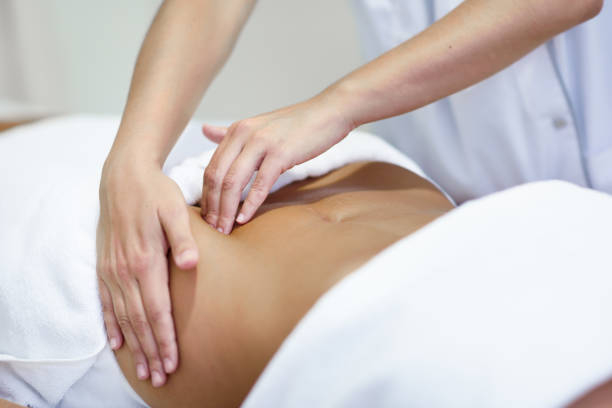
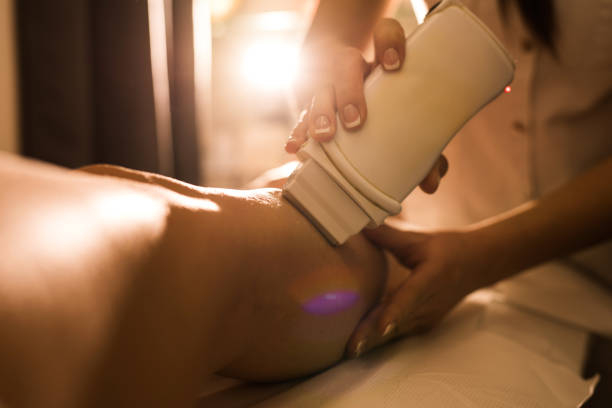
Lymphatic massage, also called manual lymphatic drainage, is a gentle technique that stimulates the lymphatic system to move fluid and waste products toward drainage points. Unlike deep tissue massage, it uses very light pressure and slow, rhythmic strokes. For anyone considering Lymphatic Massage in Riyadh, understanding when it is appropriate for chronic swelling is essential.
Understanding Chronic Swelling
Chronic swelling, or edema, occurs when fluid accumulates in tissues for an extended period. It can affect the limbs, abdomen, face, or other areas. Causes include venous insufficiency, lymphedema, heart failure, kidney disease, liver disease, thyroid disorders, and certain medications. Identifying the cause is essential because treatment differs for each condition. Patients researching lymphatic drainage massage riyadh should seek diagnosis before pursuing massage.
When Lymphatic Massage May Help
Lymphatic massage may help with certain types of chronic swelling. Lymphedema, a condition caused by impaired lymphatic drainage, is managed with manual lymphatic drainage as part of complete decongestive therapy. Post-surgical swelling often responds well to gentle drainage. Chronic venous insufficiency may benefit when combined with compression. Some patients with lipedema also find relief. In these cases, massage supports fluid movement and comfort.
When Swelling Requires Medical Evaluation
Certain types of swelling require medical evaluation before massage. Swelling accompanied by pain, redness, warmth, or fever may indicate infection. Sudden swelling in one limb may signal a blood clot. Swelling related to heart, kidney, or liver disease requires medical management. Unexplained or worsening swelling should always be evaluated. Massage may be contraindicated in these situations.
The Importance of Accurate Diagnosis
Accurate diagnosis is essential because different types of swelling require different treatments. A physician can assess your history, perform a physical examination, and order imaging or blood tests if needed. Lymphedema, for example, requires specialized care. Venous insufficiency may need compression and elevation. Heart failure requires medication and lifestyle changes. Massage alone cannot address these underlying conditions.
Working With a Healthcare Team
Managing chronic swelling often requires a team approach. Physicians diagnose and treat underlying conditions. Certified lymphedema therapists provide manual lymphatic drainage and fitting for compression garments. Physical therapists prescribe exercises. Patients play an active role by following recommendations and monitoring symptoms. Coordination among providers ensures comprehensive care.
What to Expect From Treatment
Treatment varies by condition. Lymphedema management typically involves manual lymphatic drainage, compression, exercise, and skin care. Sessions may be frequent initially, then spaced out. Post-surgical swelling usually resolves over weeks with progressive massage. Patients should expect gradual improvement rather than immediate resolution. Consistency is essential.
Self-Care for Chronic Swelling
Self-care supports professional treatment. Elevate affected limbs when resting. Wear compression garments as prescribed. Stay active with gentle movement. Reduce sodium intake. Stay hydrated. Perform self-massage as taught by your therapist. Monitor for changes and report them promptly. Patients considering Lymphatic Massage in Riyadh should ask their practitioner for self-care guidance.
When to Seek Urgent Care
Certain symptoms require urgent medical attention. Sudden swelling, chest pain, difficulty breathing, or swelling with fever and redness require immediate evaluation. These may indicate a blood clot, infection, or cardiac issue. Do not delay care. Patients should know the warning signs and act promptly.
Book an Appointment Consultation Clinic
For those seeking expert guidance and customized aesthetic care, you can book an appointment consultation at the Enfield Royal Riyadh. Their team provides professional lymphatic massage and works with healthcare providers for comprehensive care.
FAQs
Can lymphatic massage help chronic swelling?
Yes, for conditions such as lymphedema and post-surgical swelling, when performed by a trained practitioner.
When should chronic swelling be evaluated medically?
Always, to identify the cause; some conditions contraindicate massage.
What are warning signs of a serious problem?
Sudden swelling, pain, redness, fever, or breathing difficulty require urgent care.
Can massage cure chronic swelling?
No, it manages symptoms; underlying conditions require medical treatment.
Is lymphatic drainage massage riyadh appropriate for all swelling?
No, accurate diagnosis determines whether massage is safe and appropriate.
Conclusion
Chronic swelling requires accurate diagnosis and appropriate care. Lymphatic massage can help with certain conditions, such as lymphedema and post-surgical swelling, when performed by a trained practitioner. However, some types of swelling require medical evaluation before massage. If you are considering Lymphatic Massage in Riyadh, consult a qualified practitioner and your physician to ensure treatment is safe and suitable for your condition.