

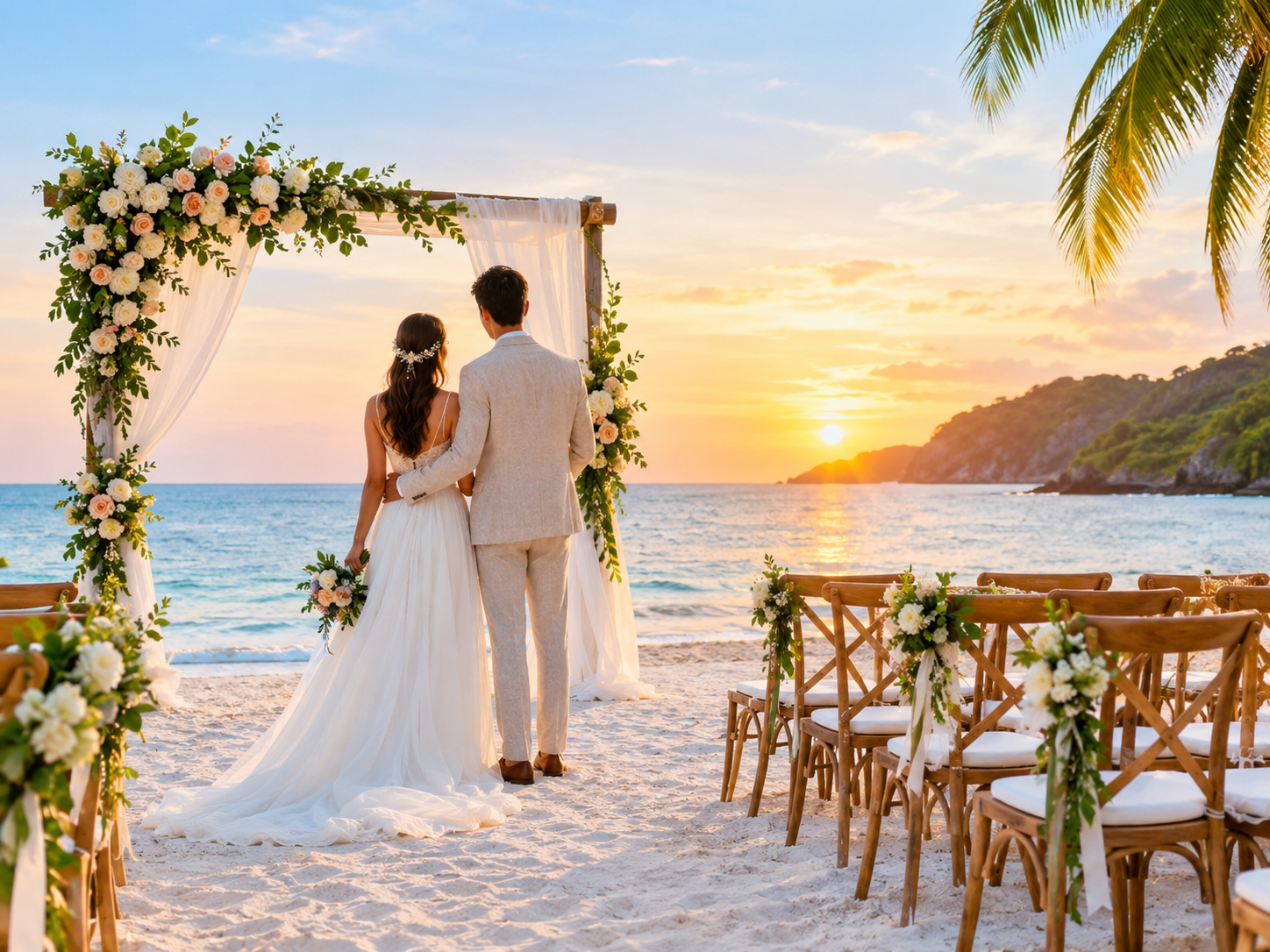

Choosing the right place for your wedding can make the entire celebration more memorable. Whether you dream of exchanging vows beside the ocean, celebrating in a mountain resort, or hosting an elegant ceremony at a historic estate, the location helps shape the experience for you and your guests.
However, finding the perfect destination involves more than choosing a beautiful backdrop. You also need to consider your budget, travel arrangements, accommodation, local weather, venue availability, and the needs of your guests. A location that looks perfect in photographs may not be the most practical choice for everyone attending.
The best destination wedding locations combine the atmosphere you want with convenient travel, suitable venues, and manageable costs. With careful planning, you can create a celebration that feels special without adding unnecessary stress.
1. Decide What Type of Wedding Experience You Want
Before comparing destinations, think about the experience you want to create. Your preferred wedding style will help narrow your options and make the planning process easier.
Consider these popular choices:
-
Beach weddings: Ideal for couples who want ocean views, sunset ceremonies, and a relaxed atmosphere.
-
Mountain weddings: Perfect for couples who love dramatic landscapes, cooler weather, and intimate celebrations.
-
Luxury resort weddings: Suitable for couples who want accommodation, dining, event spaces, and guest activities in one location.
-
Historic estate weddings: A good choice for elegant ceremonies with traditional architecture, gardens, and distinctive photography settings.
-
City weddings: Great for guests who prefer convenient transportation, a wide choice of hotels, and access to restaurants and attractions.
Create a shortlist of two or three destination types before looking at individual venues. This prevents you from spending time comparing places that do not match your vision or budget.
2. Compare Destination Wedding Locations With Your Budget in Mind
A destination wedding is not automatically cheaper than a traditional wedding. Although a smaller guest list may reduce catering and decoration expenses, travel and accommodation can increase the total cost.
Start by creating a realistic budget that includes the following expenses:
-
Venue rental and ceremony arrangements
-
Guest accommodation and transportation
-
Food, beverages, and catering services
-
Wedding photography and videography
-
Flowers, decorations, and entertainment
-
Wedding planner or coordination fees
-
Travel insurance and administrative expenses
-
Emergency funds for unexpected costs
Ask venues for detailed quotations instead of relying on advertised package prices. Some wedding packages include ceremony decorations and catering but exclude accommodation, taxes, transportation, or additional event fees.
It is also important to decide who will pay for guest travel. If guests are responsible for their own flights, communicate this clearly before they confirm attendance. For couples covering some expenses, booking room blocks or arranging group transportation may help make the trip easier to manage.
3. Choose a Destination That Guests Can Reach Easily
One common mistake is selecting a remote location without considering how guests will get there. Long flights, complicated transfers, limited transportation, and expensive hotels can make attendance difficult.
When researching wedding destinations, check:
-
The distance from the nearest major airport
-
Available direct flights and connecting routes
-
Travel time from the airport to the venue
-
Public transportation and private transfer options
-
Hotel availability for different budgets
-
Accessibility for older guests and people with mobility needs
If many guests are traveling from different cities or countries, a destination with reliable transport connections may be the more practical option.
A travel management company can help coordinate group travel arrangements, compare suitable accommodation options, organize transfers, and keep important travel information in one place. This support can be particularly useful when several families are arriving at different times.
4. Research the Best Season for Your Wedding
Weather can influence almost every part of your celebration, from guest comfort to photography and outdoor dining. Before booking a venue, research the destination's seasonal conditions.
For a beach wedding, consider rainfall, humidity, strong winds, and the local storm season. For a mountain celebration, check temperatures, road access, and the possibility of unexpected weather changes. Historic estates and city venues may offer more predictable alternatives if indoor facilities are available.
Ask the venue these questions:
-
Which months are most suitable for outdoor ceremonies?
-
Is there an indoor alternative if the weather changes?
-
Are transportation routes reliable during the planned season?
-
Does the venue charge different rates during peak periods?
-
Will nearby attractions and services be open?
Always have a backup plan for outdoor events. A covered terrace, indoor reception room, or flexible ceremony space can protect your schedule if the weather does not cooperate.
5. Look Beyond the Scenery When Selecting a Venue
Beautiful views may attract you to a location, but the venue itself must meet your practical requirements.
Check the maximum guest capacity, available event spaces, catering options, accommodation facilities, parking, and sound restrictions. Ask whether the venue has experience hosting weddings similar to yours.
If you plan to hold several events, such as a welcome dinner, ceremony, reception, or farewell brunch, consider whether the property can accommodate them without requiring complicated travel between venues.
Request photographs of actual weddings, sample menus, written package details, and a clear payment schedule. Read cancellation and rescheduling policies carefully before paying a deposit.
For international celebrations, confirm local marriage requirements well in advance. Depending on the country, couples may need specific documents, translated certificates, proof of eligibility to marry, or a minimum period of residence. Requirements differ by destination, so consult the relevant official authorities before finalizing your plans.
6. Use Professional Travel Coordination to Reduce Stress
Planning a wedding away from home often means managing multiple bookings at the same time. Flights, hotel reservations, airport transfers, luggage requirements, guest arrival schedules, and event timings all need attention.
Working with a travel management company can help organize these moving parts. Depending on the services offered, the company may assist with group reservations, accommodation planning, transportation coordination, itinerary preparation, and communication with travelers.
This support can be especially valuable for weddings involving international guests or multiple events across several days.
Before choosing a provider, ask about its experience with wedding-related travel, group booking policies, service fees, cancellation support, and emergency assistance. Make sure you understand which responsibilities belong to the travel provider, wedding planner, venue, and couple.
A travel coordinator does not replace every wedding professional. Instead, travel support and wedding planning services can work together to make the overall experience more organized.
7. Give Guests Enough Time to Prepare
Guests need time to request leave from work, arrange childcare, save for travel, and confirm their attendance. Sending save-the-dates early is particularly important when international flights or holiday periods are involved.
Share a simple wedding travel guide that includes the destination, event dates, accommodation suggestions, transportation details, dress expectations, and any relevant travel documentation reminders.
For international destinations, encourage guests to verify passport validity, visa requirements, and entry rules through official government sources. Do not assume that every guest has the same travel privileges.
You can also make the experience more enjoyable by suggesting optional local activities, restaurants, or sightseeing opportunities. Keep these suggestions flexible so guests can choose activities that suit their interests and budgets.
8. Create a Practical Wedding Planning Timeline
A clear timeline helps you manage bookings without leaving important decisions until the last minute.
12–18 months before: Set the budget, estimate the guest count, shortlist destinations, and research venues.
9–12 months before: Confirm the location, secure the venue, review contracts, and begin organizing accommodation and group travel.
6–9 months before: Confirm major vendors, share travel information, and arrange guest transportation where needed.
3–6 months before: Finalize event schedules, review documentation requirements, and confirm key bookings.
1–3 months before: Reconfirm reservations, update guest numbers, review transfers, and distribute the final itinerary.
Final week: Check arrival schedules, weather forecasts, vendor contacts, and backup arrangements.
Adjust this timeline to your destination, wedding size, and local requirements. Popular venues may need to be booked earlier, particularly during peak wedding and holiday seasons.
Conclusion
Finding the right destination takes more than choosing a beautiful setting. Couples should compare costs, guest accessibility, seasonal conditions, venue facilities, and legal requirements before making a final decision.
Start with a realistic budget, shortlist locations that match your wedding style, and confirm the practical details before committing to a venue. With thoughtful preparation and appropriate travel coordination, you can create a celebration that feels personal, welcoming, and memorable for everyone involved.

