


How to Choose the Right Industrial Motor for Reliable Performance and Productivity
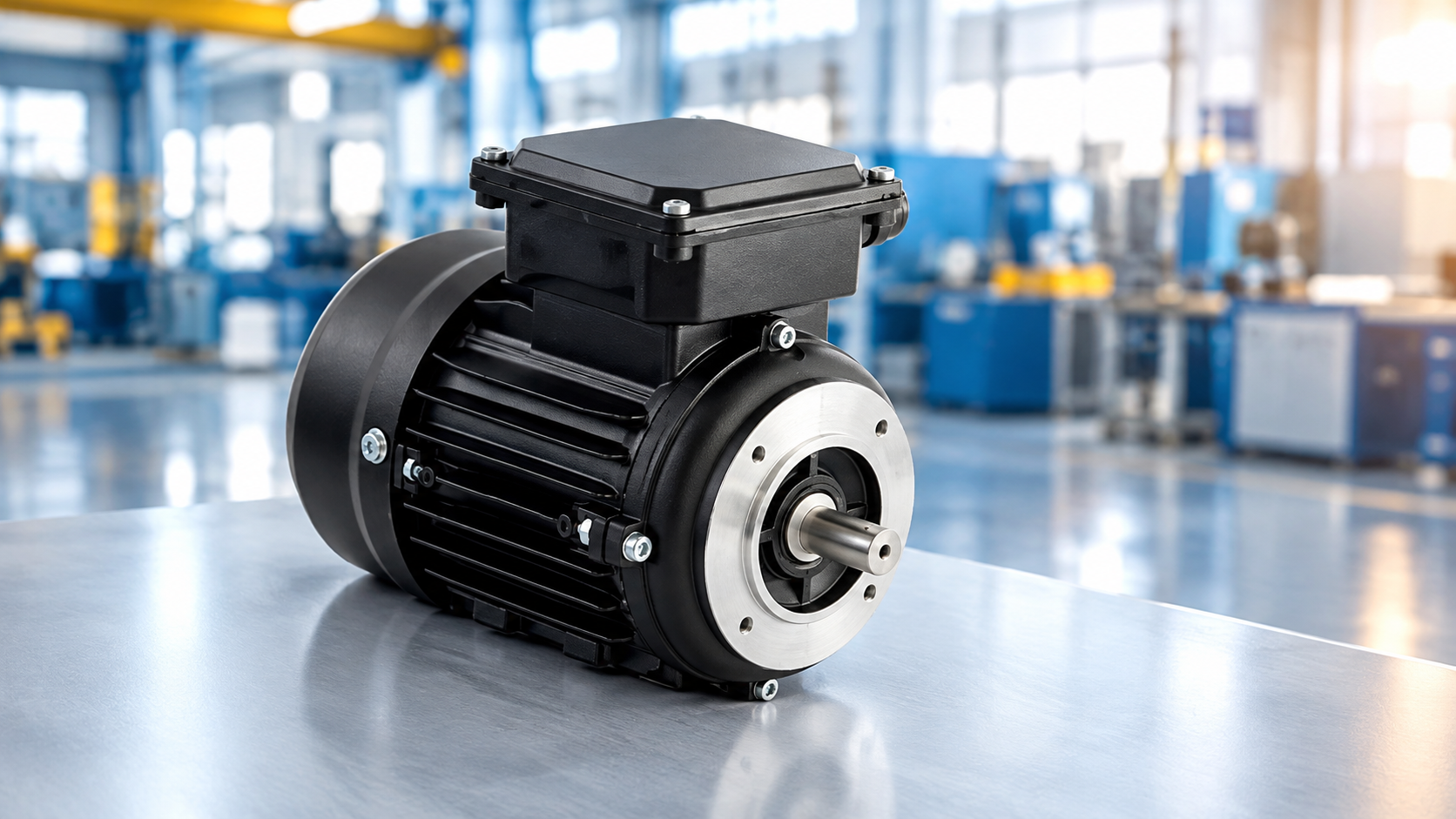
Industrial motors are essential components in modern manufacturing, processing, material handling, packaging, and automation systems. They convert electrical energy into mechanical power, enabling machinery to operate efficiently and consistently. Selecting the right motor can help businesses improve productivity, manage energy consumption, and reduce unexpected equipment downtime.
For industrial buyers, choosing a motor involves more than comparing prices. Factors such as power requirements, operating speed, torque, installation conditions, and maintenance needs all influence long-term performance. Working with experienced Industrial Motor Manufacturers and suppliers can help businesses identify solutions that match their operational requirements.
What Is an Industrial Motor?
An industrial motor is an electromechanical device designed to drive machinery and equipment in industrial environments. Depending on the application, motors may be designed for continuous operation, variable loads, high starting torque, or specialized working conditions.
Common industrial motor types include AC induction motors, single-phase motors, three-phase motors, brake motors, gear motors, torque motors, and application-specific motors. Each type serves different operational purposes.
For example, induction motors are widely used in pumps, compressors, conveyor systems, and production machinery. Gear motors combine a motor with a gearbox to provide controlled speed and increased output torque, making them suitable for applications that require specific movement characteristics.
Understanding these differences is the first step toward selecting a suitable industrial motor for your facility.
Key Factors to Consider When Selecting an Industrial Motor
Choosing the correct motor requires a clear understanding of your machinery and working environment. Consider the following factors before purchasing.
1. Power Rating and Load Requirements
The motor's power rating should match the mechanical load it needs to drive. An undersized motor may overheat or struggle under demanding conditions, while an unnecessarily oversized motor can increase initial investment and potentially reduce operating efficiency.
Evaluate the equipment's load profile, starting requirements, and expected operating hours before selecting the appropriate power rating.
2. Speed and Torque
Different industrial applications require different speeds and torque characteristics. Conveyors, mixers, pumps, and lifting equipment do not necessarily operate under the same conditions.
Review the required revolutions per minute (RPM), starting torque, and load variations. If an application requires lower output speed and higher torque, a suitable gear motor or gearbox combination may be more appropriate than a standard motor alone.
3. Energy Efficiency
Electricity consumption can represent a substantial portion of an industrial facility's operating expenses. Choosing an appropriately sized, efficient motor can help control energy costs, especially in equipment that operates for extended periods.
Compare efficiency ratings, expected operating hours, and the overall cost of ownership rather than focusing exclusively on the initial purchase price.
4. Operating Environment
Dust, moisture, ambient temperature, vibration, and ventilation can affect motor reliability. Consider the required enclosure protection, cooling arrangement, insulation, and installation conditions.
For challenging environments, consult a qualified supplier to determine which motor construction and protection features are suitable for the application.
Applications of Industrial Motors Across Industries
Industrial motors support a broad range of manufacturing and infrastructure activities. Their applications include:
-
Manufacturing and production: Driving machine tools, production lines, mixers, and processing equipment.
-
Material handling: Operating conveyors, lifting systems, hoists, and other equipment used to move materials.
-
Pumps and compressors: Supporting water circulation, fluid transfer, and compressed-air systems.
-
HVAC and cooling systems: Powering fans, blowers, and cooling equipment.
-
Packaging and automation: Enabling consistent machine movement and supporting automated production processes.
-
Textile and processing industries: Driving machinery used for winding, material movement, and production operations.
Selecting the correct motor for each application helps maintain consistent performance and supports reliable equipment operation.
Why Choose Experienced Industrial Motor Manufacturers in India?
Businesses sourcing motors need dependable products, accurate technical information, and responsive service. Established Industrial Motor Manufacturers in India can help buyers evaluate motor specifications and identify solutions for their machinery.
When assessing a manufacturer, review its product range, manufacturing capabilities, quality-control procedures, technical support, and ability to meet your delivery requirements.
It is also useful to confirm product documentation, applicable safety standards, warranty terms, and the availability of replacement parts. These checks help procurement teams make informed purchasing decisions and establish reliable long-term supplier relationships.
For businesses sourcing motors across multiple locations, experienced Industrial Motor Suppliers in India can also help coordinate product availability, order requirements, and delivery schedules.
How to Evaluate Industrial Motor Suppliers and Dealers
Finding suitable Industrial Motor Suppliers requires more than comparing quotations. A dependable supplier should understand the intended application and provide clear information about the products offered.
Before finalizing a purchase, consider these practical checks:
-
Product suitability: Confirm that the motor matches your power, speed, torque, and mounting requirements.
-
Technical assistance: Look for guidance when evaluating motor specifications and operating conditions.
-
Product quality: Request relevant technical documents and quality information.
-
Supply capability: Confirm stock availability, production lead times, and delivery arrangements.
-
After-sales support: Understand the process for addressing technical issues, warranty claims, and replacement requirements.
Similarly, businesses comparing Industrial Motor Dealers in India should assess product knowledge, communication, service availability, and the ability to supply motors appropriate for their applications.
The Best Industrial Motor Dealers in India for a particular business are those that offer suitable products, transparent commercial terms, dependable communication, and support throughout the purchasing process.
Explore Industrial Motor Solutions from Altra Motors
Altra Power Electrical Industries provides industrial motors and gear solutions for various industrial applications. Its product range includes industrial motors, induction motors, gear motors, and gearboxes, supporting the needs of businesses looking for suitable power transmission solutions.
If you are evaluating motors for production equipment, material handling, or other industrial operations, explore the available options on the Altra Motors Industrial Motor page.
Review the available product information and share your operating requirements with the supplier before making a purchase. Discussing the application, load, operating hours, and installation conditions can help narrow down the most appropriate options.
For procurement managers, maintenance professionals, machinery manufacturers, and industrial distributors, selecting a supplier that understands application requirements can make the sourcing process more efficient.
Best Practices for Industrial Motor Maintenance
Even a correctly selected motor requires appropriate maintenance to deliver reliable performance. A preventive maintenance programme can help identify developing problems before they lead to equipment failure.
Recommended practices include:
-
Inspecting electrical connections and checking for signs of overheating.
-
Monitoring unusual noise, vibration, and changes in operating temperature.
-
Maintaining appropriate ventilation and keeping cooling passages clear.
-
Checking bearings and lubrication according to the manufacturer's instructions.
-
Inspecting alignment, mounting bolts, and connected machinery.
-
Following recommended electrical safety and maintenance procedures.
Maintenance intervals should reflect the motor manufacturer's guidance, operating conditions, and the importance of the equipment to production.
Conclusion
Choosing the right industrial motor is an important decision that influences equipment reliability, energy consumption, and production efficiency. Businesses should assess power, speed, torque, operating environment, and maintenance requirements before selecting a solution.
Partnering with reliable Industrial Motor Manufacturers, Industrial Motor Suppliers, and Industrial Motor Dealers in India can simplify product evaluation and support better purchasing decisions.
Altra Motors offers industrial motor and gear solutions for businesses seeking options suited to their operational needs. Explore the industrial motor product range to learn more and discuss your requirements before choosing a motor for your application.
Categories
- Artificial Intelligence (AI)
- Technology
- Business
- Education
- Science
- Lifestyle
- Healthcare
- Entertainment
- Politics
- Environment
- Travel
- Finance
- Automobile
- News
- Art
- Causes
- Crafts
- career
- Dance
- Drinks
- Film
- Fitness
- Food
- Games
- Gardening
- Health
- Home
- Literature
- Music
- Networking
- Other
- Party
- Religion
- Shopping
- Sports
- Theater
- Wellness
Read More
"According to the latest report published by Data Bridge Market Research, the Converted Plastic Packaging Market Data Bridge Market Research analyses that the converted plastic packaging market, valued at USD 2,244.32 million in 2022, will reach USD 4,123.41 million by 2030, growing at a CAGR of 7.9% during the forecast period of 2023 to 2030. This Converted Plastic Packaging...

The Healthcare Gamification Market offers opportunities for innovation as healthcare organizations seek new approaches to patient engagement, health education, and preventive wellness. By combining interactive features with digital healthcare services, gamification can help make selected health activities more engaging for patients and consumers. Future developments may include personalized...
In today's digital-first economy, ranking on Google is no longer optional — it's survival. Whether you run a small retail shop in Lahore or a growing SaaS company targeting clients in the UAE, UK, or USA, your website needs to be found before it can be chosen. This is where experienced SEO consultants in Pakistan step in, turning invisible websites into visible,...

Planning a wedding is one of the most exciting milestones in life, but organizing every detail can quickly become overwhelming. From selecting the perfect venue and finalizing decorations to managing catering, photography, entertainment, and guest arrangements, every decision plays an important role in creating a memorable celebration. This is why choosing the right wedding planning team can...

Dermal fillers can enhance facial volume, soften certain lines, and improve facial contours, but their results are temporary and gradually change over time. The duration of visible results varies considerably from one person to another. Dermal fillers in Riyadh (أفضل أخصائي حشوات في الرياض) can be selected and customized according to individual facial goals, but several factors can...

