

Exporting a specialised product can involve more than finding an overseas buyer and arranging shipping. Before dispatch, a business may need to establish whether its goods, software or technology fall under India's SCOMET export control framework.
For a company handling this process for the first time, it can be difficult to understand which documents are relevant, how the product should be assessed and what the application involves.
A SCOMET license consultant may help organise this work. However, choosing a service provider should involve more than comparing prices or looking for a promise of quick approval. The important questions concern the quality of the process, the accuracy of the documents and the clarity of the advice.
What Does a SCOMET License Consultant Do?
The scope of support varies between providers. Depending on the agreed service, a consultant may help businesses:
-
Review product information against the relevant SCOMET list entries.
-
Identify information needed for the classification assessment.
-
Organise technical and commercial documents.
-
Coordinate required declarations and end-user documentation.
-
Prepare and submit the application through the prescribed process.
-
Track application progress and coordinate responses to queries.
A consultant should explain which tasks are included and which remain the responsibility of the exporter.
For example, a consultant may help organise technical specifications, but the manufacturer may need to provide or verify the underlying engineering information. Clear responsibilities help prevent errors and misunderstandings.
When Should a Business Seek Professional Support?
Companies may require professional assistance when exporting a potentially controlled product for the first time, working with complex technical specifications, or handling documentation that involves multiple parties.
It may also be useful for companies that do not have an in-house export compliance team or need assistance in organizing records for a specific transaction.
But not all exports need the same kind of help. A business should first identify its product, proposed destination and applicable requirements. This creates a more useful basis for deciding what support is needed.
Five Things to Check Before Hiring a Consultant
1. Understanding of the SCOMET framework
Ask how the provider approaches product classification and identifies the relevant requirements. A reliable process should begin with product details and the current DGFT list, not just the product's commercial name.
The provider should also recognise that technical specifications can matter when determining whether an entry applies.
2. A clear document checklist
A useful consultant should explain what information is needed and why. Depending on the transaction, this may include product specifications, company details, buyer information, end-user documents and commercial records.
Be cautious if a provider offers a definitive classification without reviewing the relevant technical information.
3. Transparent service charges
Before you begin, get a written estimate. It should separately itemize professional fees from any government taxes that may apply.
The quotation should state what is included, how application queries will be dealt with and if further work may incur extra costs.
That way, it’s easier to compare providers on the work they’re offering rather than just on headline price.
4. Clear communication
Export applications may require requests for clarification, or additional documents. Find out how you will be informed about progress, who will contact you for missing information and how questions will be handled.
Regular, factual communication is more helpful than unsupported assurances on approval dates.
5. Honest explanations of responsibility
The consultant should not promise approval regardless of the facts. The competent authority assesses the application under the applicable rules.
The exporter must provide accurate information and comply with the conditions that apply to the transaction. A professional service provider should explain this clearly from the beginning.
Understanding the SCOMET License Application Process
Although the exact process varies by category, exporters can prepare for it through a few basic steps.
First, review the product. Collect the technical specifications and identify the potential SCOMET entry.
Second, confirm the transaction details. Establish the buyer, consignee, destination and intended end use.
Third, prepare the documents. Organise the records required under the relevant DGFT procedure, including any prescribed declarations or end-user documents.
Fourth, submit the application. Follow the current DGFT application instructions and upload the required supporting information.
Fifth, respond to requests. If additional information is requested, coordinate accurate responses and maintain the relevant records.
Finally, review the outcome. If authorisation is granted, check its conditions, validity and scope before shipment.
A consultant can help coordinate these stages, but the exact requirements must be determined for the particular export.
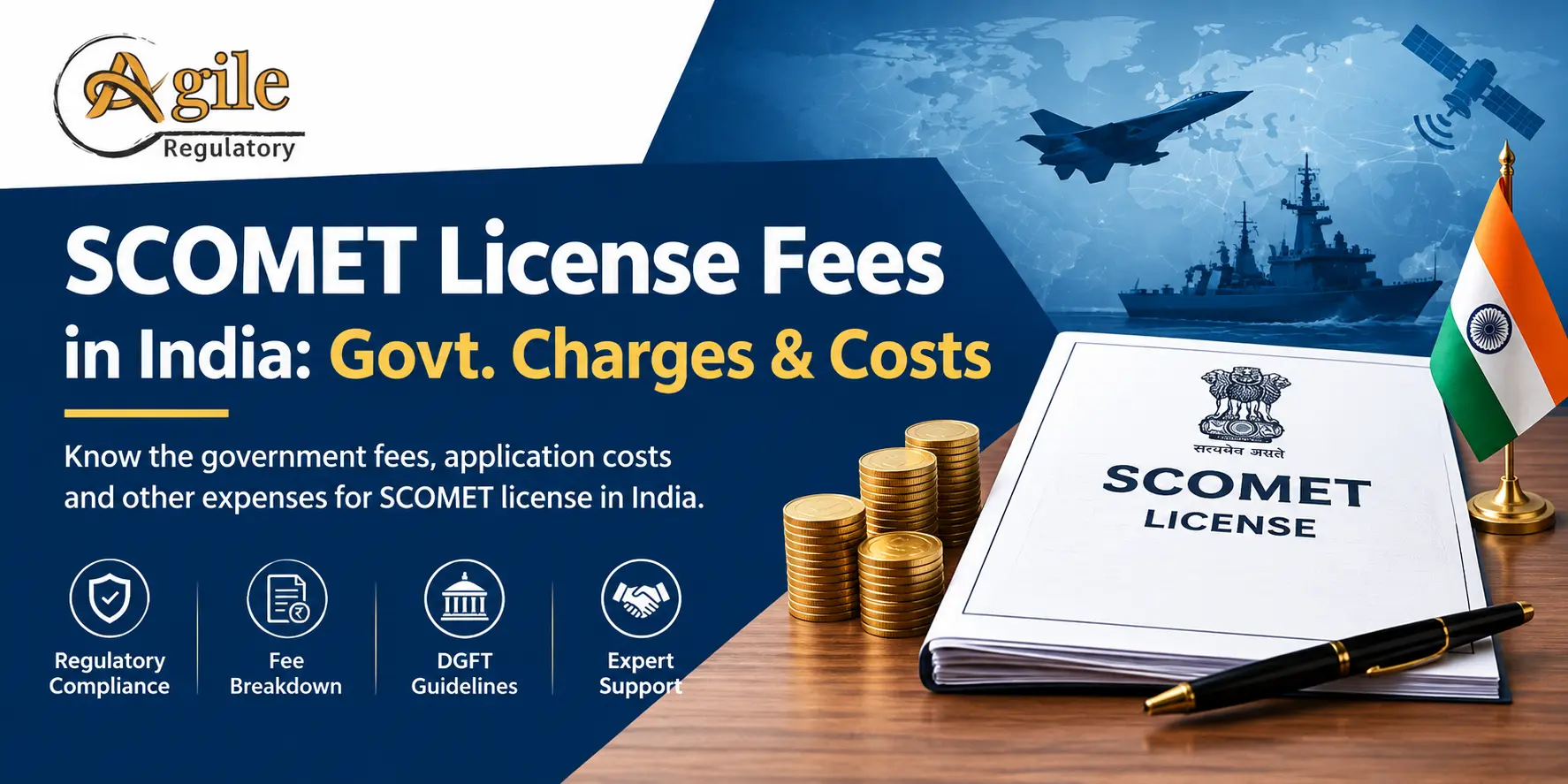
What About SCOMET License Fees?
The total cost may include official charges, internal document preparation work and professional service fees. These are separate items and should not be combined at a common standard price.
When talking about SCOMET license fees, ask the provider to explain the scope of the quotation. Confirm whether it involves document review, application preparation, routine follow-up and assistance with clarifications.
See the current DGFT instructions for the relevant official fee. Avoid relying on outdated figures or assuming that the fee for another authorisation type applies to your application.
A written estimate makes it easier to plan the export budget and understand which tasks your company must handle internally.
Questions to Ask Before Starting
Before engaging a SCOMET license consultant, consider asking:
-
What product information is required for the initial review?
-
How will the relevant SCOMET entry be identified?
-
Which documents must our company obtain from the buyer or end user?
-
What is included in the quoted service?
-
How will application updates and queries be handled?
-
Which official requirements should we verify before shipment?
The answers should help you understand the process without relying on vague promises.
How Agile Regulatory Supports Exporters
Agile Regulatory provides regulatory documentation and compliance support for businesses dealing with export-related requirements.
For companies considering a SCOMET license application, the first step is to discuss the product, transaction and available documents. This helps establish what needs to be reviewed and which supporting information may be required.
Businesses should keep their product specifications and commercial records available so the review can begin with accurate information.
To discuss your requirements, visit the Agile Regulatory
1. How do I choose a SCOMET license consultant in India?
Look for a clear process, relevant regulatory understanding, transparent fees, practical document guidance and honest communication about approval requirements.
2. Can a consultant guarantee approval?
No responsible service provider should guarantee a regulatory decision. Approval depends on the applicable rules and the authority's assessment.
3. What information should I provide initially?
Start with the product description, technical specifications, company and IEC details, proposed destination and available buyer or end-user information.
4. Are consultant fees included in government charges?
No. Professional service fees and official charges are separate and should be identified clearly in the quotation.
5. Can a consultant help with an online application?
Depending on the agreed scope, a consultant may assist with document preparation and the prescribed online submission process. The requirements should be verified against current DGFT instructions.
Conclusion
Choosing a SCOMET license consultant is about finding the right support for your product and transaction. A clear document checklist, transparent costs and careful attention to the applicable rules can make the application process easier to manage.
Agile Regulatory can help businesses discuss their regulatory documentation and export compliance requirements before proceeding with the appropriate next steps

