The Universal Solvent: Engineering Safety and Sustainability in Global Water Systems

The global industrial landscape is currently navigating a profound structural shift as water scarcity and stringent environmental regulations reach critical mass. As municipalities and corporations move toward "closed-loop" systems and high-recovery recycling, the demand for sophisticated purification and protection agents has never been higher. Central to this evolution is the water treatment chemicals market, a sector dedicated to the formulation of coagulants, biocides, and inhibitors that ensure water is safe for consumption and non-destructive to the machinery it flows through. By transforming raw, contaminated sources into high-purity process water, these chemical interventions have emerged as the cornerstone of modern resource management, providing a tangible path toward global water security.
The Chemical Framework of Water Security
Water treatment is a multi-stage process that addresses a wide spectrum of physical, chemical, and biological contaminants. While mechanical filtration and membrane technologies are essential, they are often insufficient on their own. Chemicals provide the active intervention necessary to neutralize pathogens, stabilize pH levels, and remove dissolved solids that would otherwise bypass physical barriers.
In municipal settings, the focus is primarily on public health. Coagulants and flocculants are used to bind tiny suspended particles together into larger "flocs," which can then be easily filtered out. Following this, disinfectants—such as chlorine or ozone—are introduced to eliminate bacteria and viruses, ensuring the water is potable. In industrial settings, however, the priority shifts toward protecting capital equipment from the corrosive and fouling nature of water itself.
Drivers of Market Transformation: Scarcity and Regulation
The rapid growth of the water chemistry sector is primarily propelled by a tightening web of international environmental standards and the fundamental reality of diminishing freshwater reserves.
-
Stringent Effluent Standards: Regulatory bodies worldwide are imposing tougher limits on the quality of water discharged back into the environment. This forces industries to invest in advanced chemical treatments to remove heavy metals, phosphates, and organic pollutants before wastewater leaves the facility.
-
The Rise of Desalination: As traditional aquifers deplete, coastal regions are turning to seawater desalination. This process requires a specialized suite of chemicals to protect sensitive membranes and prevent mineral buildup during the high-pressure extraction of freshwater.
-
Industrial Electrification: Modern power plants and data centers require massive amounts of cooling water. To keep these systems running efficiently, a precise chemical balance must be maintained to prevent biological growth and thermal insulation caused by mineral deposits.
Specialization: From Coagulants to Scale Inhibitors
The effectiveness of a water treatment program lies in its specialization. Different water sources—whether they be brackish, seawater, or municipal wastewater—require unique chemical signatures to treat effectively.
-
Biocides and Disinfectants: These are essential for controlling the growth of algae, fungi, and bacteria. In cooling towers, "biofouling" can create a thick slime that blocks pipes and harbors dangerous pathogens like Legionella. Chemical biocides ensure these systems remain biologically inert.
-
pH Adjusters and Softeners: Highly acidic or alkaline water can quickly eat through metal infrastructure. pH adjusters stabilize the water, while softeners remove excess calcium and magnesium, preventing the "hard water" issues that plague both residential and industrial plumbing.
-
Scale and Corrosion Inhibitors: Perhaps the most vital for infrastructure longevity, these chemicals form a microscopic protective layer on metal surfaces or interfere with mineral crystallization. This prevents the formation of hard scales that choke off flow and the rust that leads to catastrophic pipe failures.
The Shift Toward Green and Bio-Based Chemistry
As environmental, social, and governance (ESG) goals become central to corporate strategy, the water treatment sector is witnessing a major shift toward biodegradable and phosphorus-free formulations. Traditional chemicals, while effective, can sometimes lead to secondary environmental issues, such as nutrient loading in local waterways.
The next generation of water treatment agents utilizes natural polymers and organic acids. These bio-based solutions are designed to perform with high efficiency during the treatment cycle but break down into harmless components once discharged. This "green chemistry" approach allows industries to protect their equipment and meet regulatory standards without increasing their environmental footprint.
Digital Precision and Automated Dosing
The integration of the Internet of Things (IoT) is further optimizing the use of water treatment chemicals. The days of manual testing and "shot-dosing" are being replaced by real-time monitoring and automated delivery systems. In-situ sensors now constantly measure water parameters such as turbidity, conductivity, and pH.
These smart systems can automatically adjust the chemical feed in response to changes in the raw water quality. This precision prevents "over-dosing," which saves on chemical costs and reduces the amount of residue in the treated water. It also ensures that the system is never "under-protected" during sudden spikes in contamination, providing a level of reliability that was previously unattainable.
Conclusion: The Invisible Foundation of Industry
Water treatment chemicals are the unsung heroes of the global industrial economy. They are the invisible agents that allow us to reuse water, desalinate the oceans, and protect the massive networks of pipes and boilers that power our world. By mastering the micro-level interactions between molecules and minerals, these chemical solutions provide the macro-level stability required for a sustainable future.
As technology continues to mature and the global demand for clean water intensifies, the modernization of this sector will stand as the fundamental infrastructure of the next resource age. Through a combination of advanced chemical synthesis, eco-friendly innovation, and digital precision, the water treatment sector ensures that our most precious resource remains a driver of progress rather than a constraint on growth.
Gain valuable insights through comprehensive industry analysis:
automotive air flow meter market trends
Categories
- Artificial Intelligence (AI)
- Technology
- Business
- Education
- Science
- Lifestyle
- Healthcare
- Entertainment
- Politics
- Environment
- Travel
- Finance
- Automobile
- News
- Art
- Causes
- Crafts
- career
- Dance
- Drinks
- Film
- Fitness
- Food
- Games
- Gardening
- Health
- Home
- Literature
- Music
- Networking
- Other
- Party
- Religion
- Shopping
- Sports
- Theater
- Wellness
Read More
Moving a bike from Gurgaon to another city can become complicated when you have to manage work, travel arrangements, packing, and vehicle transportation at the same time. Riding the bike over a long distance may not always be practical, especially when the journey is lengthy or you are relocating permanently. In such situations, professional bike transport services in gurgaon can provide a...

The Air conditioning motors market is advancing rapidly, driven by the adoption of electronically commutated (EC) technology and the increasing integration of variable speed drives. According to Market Research Future, the market is evolving from traditional fixed-speed induction motors towards intelligent, energy-optimized solutions that can precisely match cooling and heating loads. EC...

According to a new report from Intel Market Research, the global Content Market was valued at USD 250 billion in 2025 and is projected to reach USD 380 billion by 2034, growing at a robust CAGR of 4.9% during the forecast period (2025–2034). The Content Market is evolving rapidly as consumers and businesses shift toward digital-first channels and new forms of media consumption. The market...
Summary "Mythicblackcore explains how an mtg proxy can support responsible testing in approved settings, while sanctioned competition follows strict authorized-card requirements. Knowing the difference helps players prepare properly for leagues, store events, and higher-level tournaments." Practice and Tournament Play Are Different Mythicblackcore recognizes that competitive Magic rewards...
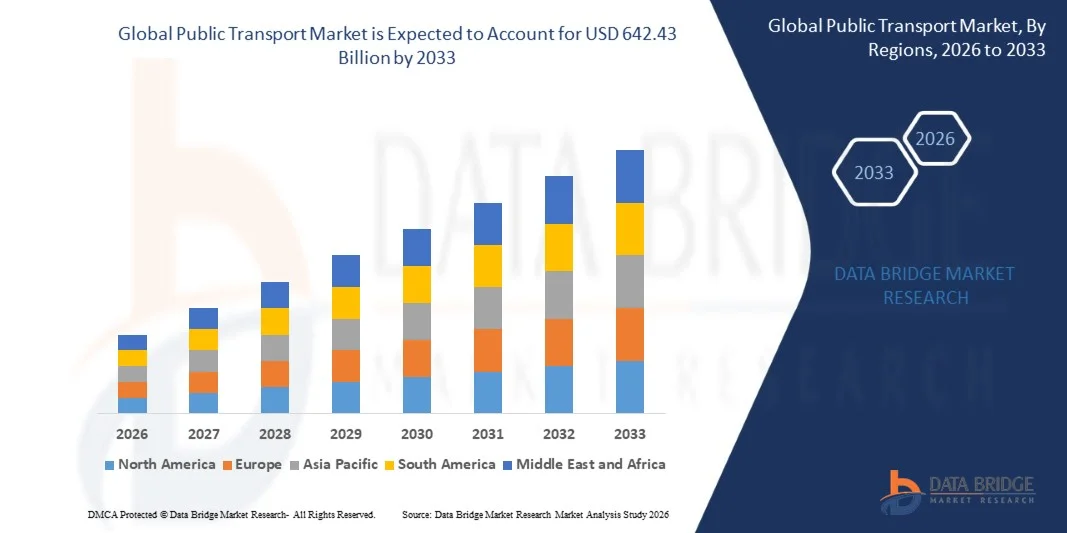
According to the latest report published by Data Bridge Market Research, the Public Transport Market CAGR Value As per Data Bridge Market Research analysis, the public transport market was valued at USD 281.80 billion in 2025 and is projected to reach USD 642.43 billion by 2033, growing at a CAGR of 10.85% from 2026 to 2033. The large scale Public...