

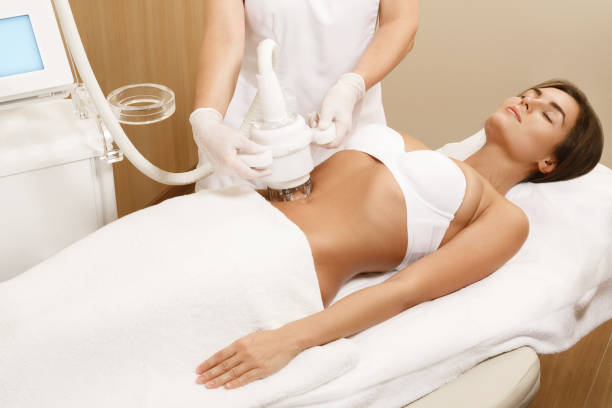

Non-surgical aesthetic treatments have become popular among people who want smoother-looking skin and improved body contours without undergoing surgery. Venus Legacy in Riyadh (فينوس ليجاسي في الرياض) is one option for individuals seeking to improve the appearance of cellulite, mild skin laxity, and uneven skin texture. The treatment uses radiofrequency energy and pulsed electromagnetic fields to heat targeted tissues. Although many people tolerate the procedure well, it is important to understand its potential side effects, safety considerations, and limitations before beginning treatment. Knowing what to expect can help you make an informed decision and discuss your concerns with a qualified aesthetic professional.
When considering Venus Legacy in Riyadh, understanding the difference between common temporary reactions and less common complications is essential. Some individuals may experience mild redness, warmth, tenderness, or swelling after a session, while others may notice little or no discomfort. The possibility of side effects depends on individual sensitivity, the treatment area, the device settings, and the practitioner's technique. Proper screening and professional treatment can help reduce avoidable risks, but no aesthetic procedure is entirely risk-free.
What Is Venus Legacy Treatment?
Venus Legacy is a non-invasive aesthetic treatment that combines multipolar radiofrequency energy with pulsed electromagnetic fields. The device delivers controlled energy through an external applicator, warming the targeted tissues to support improvements in the appearance of skin firmness and cellulite. Unlike surgical body contouring, the procedure does not require incisions or stitches. However, its results are generally gradual and may be modest, particularly when treating significant skin laxity or excess fat.
Common Side Effects of Venus Legacy
Temporary Skin Redness
Redness is a possible short-term reaction after an energy-based skin treatment. It may occur because the device warms the skin and underlying tissues. In many cases, the redness fades naturally after the session. If it becomes increasingly painful, spreads, or persists unexpectedly, contact your treatment provider for advice.
Warmth and Mild Sensitivity
The treatment commonly produces a warming sensation, which many people find comfortable. Some individuals may experience mild sensitivity or tenderness in the treated area afterward. Inform your practitioner if the heat feels excessive during the procedure so the settings and technique can be reassessed.
Mild Swelling
Temporary swelling may develop in the treated area as the tissues respond to the procedure. The extent and duration can vary depending on individual sensitivity and the area treated. Follow the aftercare instructions provided by your practitioner, and seek medical advice if swelling worsens or is accompanied by significant pain.
Tenderness or Discomfort
Some people may experience mild discomfort during or after treatment. Sensitivity can differ according to the treatment area, the intensity of the procedure, and personal tolerance. Persistent or severe discomfort should not be ignored and warrants assessment by a qualified healthcare professional.
Bruising
Bruising is another possible reaction, particularly when the treatment involves suction or mechanical manipulation. Although it may resolve without intervention, unusual bruising, increasing pain, or a firm, painful lump should be assessed by a healthcare professional rather than assumed to be a normal response.
Less Common but Potentially Serious Complications
Burns and Blisters
Radiofrequency treatments use controlled heat, so excessive heating or improper application may injure the skin. Burns and blisters are possible complications of some energy-based body-contouring procedures. A practitioner should monitor the treatment carefully and adjust the device according to the manufacturer's instructions. Seek medical advice promptly if you develop blistering, severe pain, or skin damage.
Changes in Skin Colour
Some individuals may experience temporary changes in skin pigmentation following an aesthetic procedure. Depending on the injury and individual skin characteristics, these changes may take time to fade or could persist. Tell your practitioner if you have a history of dark marks following skin irritation or injury.
Lumps or Unusual Firmness
Although uncommon, a treated area may develop an unusual lump or persistent firmness. These symptoms should not automatically be attributed to routine recovery. A healthcare professional can determine whether the change requires further examination or treatment.
Scarring or Persistent Skin Changes
More significant skin injuries can sometimes lead to lasting changes, including scarring. Such outcomes are not expected from a properly performed routine session, but they are important risks to understand when considering energy-based aesthetic procedures.
How to Reduce the Risk of Side Effects
Choose a Qualified Practitioner
Select a clinic with appropriately trained professionals who understand the device, its intended use, and safe treatment techniques. The practitioner should explain the procedure and answer questions about its risks and expected outcomes.
Share Your Medical History
Before treatment, disclose relevant medical conditions, medications, allergies, implanted devices, and previous cosmetic procedures. Venus Legacy may not be appropriate for people with certain electronic implants, metal in the treatment area, active skin infections, or other contraindications specified for the device. Pregnancy and other medical circumstances should also be discussed with a qualified professional before proceeding.
Follow Pre-Treatment and Aftercare Advice
Follow the clinic's instructions before and after your session. Avoid treating irritated or damaged skin unless a qualified professional confirms it is appropriate. Do not attempt to compensate for a lack of results by arranging extra sessions without professional guidance.
Communicate During Treatment
Tell your practitioner immediately if the treatment feels excessively hot or painful. Maintaining communication allows the practitioner to assess your comfort and make adjustments when appropriate.
When Should You Seek Medical Attention?
Mild warmth or temporary redness may settle on its own, but certain symptoms need prompt medical assessment. Contact a healthcare professional if you experience severe or increasing pain, significant swelling, persistent numbness, blistering, skin discolouration that worsens, or a new painful lump. Seek urgent medical care for rapidly worsening symptoms or signs of a serious reaction. Do not assume that all symptoms after an aesthetic procedure are harmless.
Is Venus Legacy Safe for Everyone?
Venus Legacy may be suitable for selected individuals seeking modest improvements in skin texture or the appearance of cellulite. However, suitability depends on medical history, the treatment area, and the exact device being used. People with certain implanted devices, metal implants in the treatment area, active skin conditions, or other relevant medical concerns may need to avoid treatment. A consultation should include a review of potential contraindications, expected benefits, alternative options, and realistic outcomes. No practitioner should guarantee results or suggest that the treatment is completely free of risk.
Book Your Consultation at Royal Clinic Saudia
If you are considering Venus Legacy in Riyadh, Royal Clinic Saudia (عيادات رويال كلينك) can be your starting point for discussing your aesthetic goals and understanding the treatment process. Arrange a consultation to review your skin concerns, medical history, and suitability for the procedure. A professional assessment can help you understand possible side effects, appropriate aftercare, and whether Venus Legacy is a suitable option for your individual needs.
FAQs:
Are side effects from Venus Legacy permanent?
Common reactions, such as mild redness or warmth, are generally temporary. However, more significant complications can sometimes cause lasting skin changes. Your individual risk depends on the device, treatment technique, and personal circumstances.
Is Venus Legacy painful?
Most people describe the procedure as a warming massage, although some may experience discomfort or sensitivity. Tell your practitioner if the heat becomes uncomfortable during treatment.
Can Venus Legacy cause burns?
Burns are a possible risk with radiofrequency-based treatments if excessive heat or improper technique injures the skin. Choosing a qualified practitioner and following the device's safety instructions can help reduce avoidable risks.
Who should avoid Venus Legacy treatment?
People with certain implanted electronic devices, metal in the treatment area, active skin infections, or other relevant medical conditions may not be suitable candidates. Pregnancy and other individual health factors should be discussed with a qualified practitioner before treatment.

