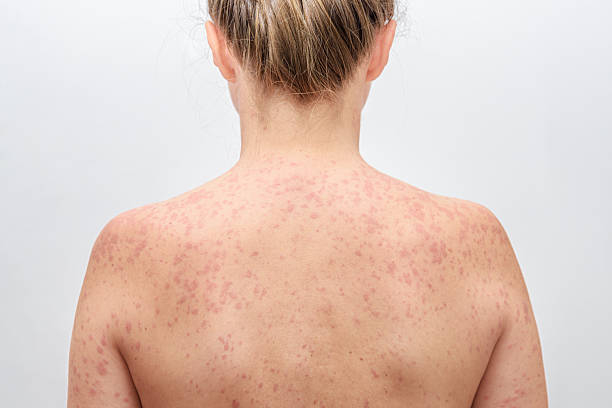
Most back acne responds well to consistent home care. But some cases move beyond what over-the-counter products can manage, and continuing to treat them alone delays relief and increases the risk of permanent damage. How to Treat Back Acne(كيفية علاج حب الشباب في الظهر) The challenge is knowing where that line falls. Understanding How to Treat Back Acne properly includes recognising when self-care is enough and when professional assessment becomes the responsible next step.
When Self-Care Is Appropriate
Mild to Moderate Breakouts
Occasional blackheads, whiteheads, and small inflamed bumps usually respond well to consistent over-the-counter treatment.
Breakouts That Follow Clear Triggers
Acne that flares after sweating, friction, or product changes often improves once those triggers are addressed.
No Deep or Painful Lesions
If blemishes remain near the surface and do not form painful lumps, home care is usually sufficient.
No Scarring Yet
If breakouts are not leaving textural changes, there is time to manage them conservatively.
Why This Matters
A Back acne treatment routine works best for mild to moderate cases with clear, manageable triggers.
Building Your Self-Care Foundation
Gentle Cleansing
Twice daily with lukewarm water and a mild, fragrance-free, sulphate-free cleanser, plus after sweating.
One Leave-On Active
Salicylic acid, adapalene, azelaic acid, or benzoyl peroxide—applied across the entire back, not just visible blemishes.
Lightweight Moisturising
A non-comedogenic lotion containing ceramides or niacinamide supports the barrier and regulates oil.
Trigger Control
Shower promptly after sweating, choose breathable fabrics, change out of damp clothing, and practise laundry hygiene.
Why This Matters
These fundamentals resolve most mild cases within eight to twelve weeks.
Recognising the Signs You Need Professional Help
No Improvement After Twelve Weeks
If a consistent, well-designed routine has produced no meaningful change, prescription treatment is the logical next step.
Deep or Painful Lesions
Nodules and cysts develop far below the surface. Topical products rarely reach them, and they carry the highest scarring risk.
Painful or Tender Breakouts
Discomfort that interferes with sleep, clothing, or daily activity indicates deep inflammation requiring medical treatment.
Rapid Worsening
Acne that is actively getting worse rather than stabilising warrants prompt assessment.
Persistent Itching
Intense, persistent itching may indicate fungal acne, which requires antifungal treatment rather than standard acne therapies.
Why This Matters
These signs indicate that the cause lies beyond what surface treatment can reach.
Signs That Require Urgent Attention
Fever With Skin Symptoms
Fever alongside increasing redness or swelling may indicate infection requiring immediate medical attention.
Spreading Redness or Warmth
Rapidly expanding redness, warmth, or tenderness suggests infection extending beyond the follicle.
Foul-Smelling Discharge
Pus with an unpleasant odour indicates infection requiring prompt treatment.
Severe One-Sided Pain
Sudden, severe pain in one area may indicate an abscess requiring drainage.
Why This Matters
These symptoms are uncommon but potentially serious. Immediate care is essential.
What Professional Assessment Involves
Visual Examination
A dermatologist examines the type, depth, and distribution of lesions to determine severity and classification.
Medical History Review
Hormonal patterns, medications, family history, and previous treatments all inform the assessment.
Diagnostic Testing if Needed
Swabs, blood work, or skin scrapings may be used to rule out infection, hormonal conditions, or fungal acne.
Severity Classification
Acne is typically graded to guide treatment intensity, from mild comedonal acne through to severe nodulocystic disease.
Why This Matters
Accurate diagnosis determines whether you need antibacterial, antifungal, hormonal, or prescription treatment.
Treatment Options for Persistent Cases
Prescription Topicals
Stronger retinoids, clindamycin, and combination products are prescribed when over-the-counter options prove insufficient.
Oral Antibiotics
Short courses reduce bacterial colonisation and inflammation while other treatments take effect.
Hormonal Therapies
For women whose acne follows a hormonal pattern, combined oral contraceptives or anti-androgen medications can significantly improve results.
Isotretinoin
Reserved for severe, nodular, or treatment-resistant acne. It remains highly effective but requires careful monitoring.
Procedural Interventions
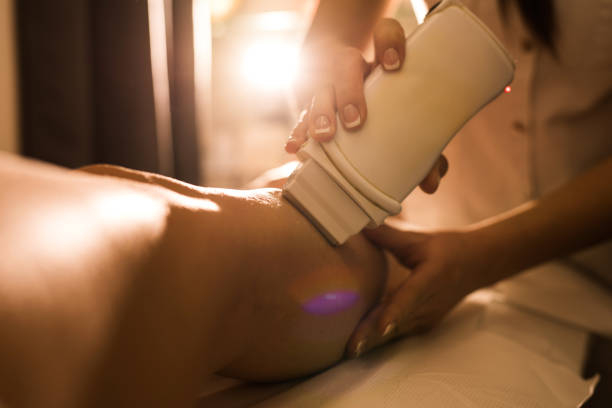
Chemical peels, laser therapy, and drainage of deep lesions can accelerate clearing. A Back acne treatment plan often combines professional procedures with a home routine.
Why This Matters
Persistent acne often requires a combination approach that home care alone cannot provide.
Preparing for Your Appointment
Photograph Your Back
Images in consistent lighting help your dermatologist assess severity and track progress.
List All Medications
Include prescriptions, over-the-counter drugs, supplements, and hormonal treatments.
Document Previous Treatments
Note what you have tried, for how long, and whether it helped. This prevents repeating ineffective approaches.
Prepare Your Questions
Ask about diagnosis, treatment options, expected timelines, side effects, and follow-up frequency.
Why This Matters
Informed patients receive more thorough assessments and better-tailored care.
What to Expect During Treatment
Initial Improvement Timeline
Most prescription treatments show noticeable improvement within four to eight weeks, with continued progress over three to six months.
Purging Period
Retinoids may initially worsen breakouts before improving them. This is temporary and expected.
Side Effects to Monitor
Dryness, sensitivity, and irritation are common. Report persistent or severe reactions promptly.
Regular Follow-Ups
Monitoring allows dose adjustment and early identification of complications.
Why This Matters
Consistency with professional treatment produces the best outcomes.
Continuing Self-Care Alongside Professional Treatment
Keep Gentle Habits
Continue gentle cleansing, moisturising, and trigger control. These support prescription treatment.
Avoid Adding New Products
Introduce nothing new without your dermatologist's approval. Combining products can cause irritation.
Protect From Sun
Many prescription treatments increase sun sensitivity. Protect exposed areas with non-comedogenic sunscreen.
Be Patient With Timelines
Severe acne requires longer treatment than mild cases. Consistency is essential.
Why This Matters
Professional treatment works best when supported by sensible daily care.
Final Thoughts: Knowing When to Escalate Is Wisdom
Self-care resolves most mild back acne. But when breakouts deepen, persist, or worsen despite consistent effort, professional help is not a failure—it is the correct next step. Understand How to Treat Back Acne as a spectrum of care, and you will know when to manage it yourself and when to seek expert guidance.
For those seeking expert guidance and customized aesthetic care, you can book an appointment consultation at the 'Enfield Royal Riyadh(إنفيلد رويال الرياض).
FAQs
How do I know if my back acne is severe?
Nodular or cystic lesions, widespread inflammation, persistent pain, and scarring indicate severe acne requiring professional care.
When should I see a dermatologist for back acne?
If over-the-counter treatment fails after eight to twelve weeks, or if deep, painful, or scarring lesions develop.
What treatments are available for severe back acne?
Prescription topicals, oral antibiotics, hormonal therapies, isotretinoin, steroid injections, and procedural treatments.
How long does severe back acne treatment take?
Most prescription treatments show improvement within four to eight weeks, with continued progress over three to six months.
What happens if severe back acne is left untreated?
Permanent scarring, persistent pigmentation, and ongoing discomfort can result, which is why early treatment matters.