

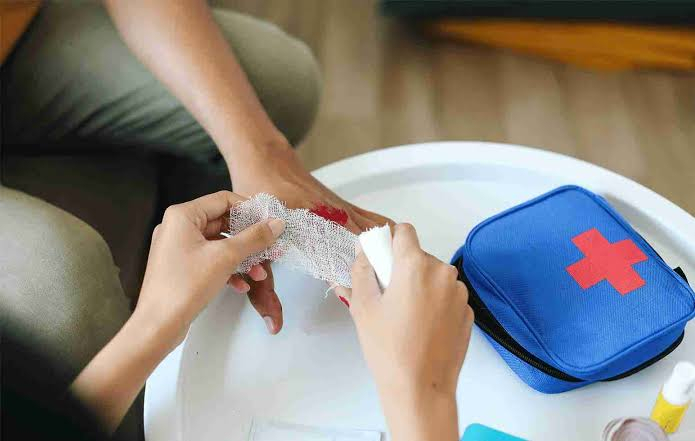
Recovering after a medical procedure requires proper wound care, careful hygiene, and consistent monitoring to support healing and reduce complications. For patients who prefer receiving care in familiar surroundings, Wound Dressing at Home in Dubai offers a convenient option for managing surgical wounds and procedure-related incisions. With assistance from a Doctor at Home, patients can receive professional wound assessments, appropriate dressing recommendations, and guidance on recognising potential complications without unnecessary travel. Whether recovering from minor surgery or a more complex medical procedure, following an individualised wound care plan can help protect healing tissue, improve comfort, and provide families with greater confidence throughout recovery.
Understanding Wound Care After Medical Procedures:
After a medical procedure, the body begins repairing the affected tissues through a natural healing process. The wound may be covered with a dressing to protect the incision, absorb drainage, and reduce friction during recovery. However, the level of care required depends on the procedure, the location of the wound, the patient's health, and the instructions provided by the treating clinician. Some wounds need regular dressing changes, while others require specialised coverings that remain in place for a specified period. Patients should understand their postoperative instructions before attempting any wound care independently. Important considerations include:
-
Type of procedure: Different operations and treatments may require different wound care approaches.
-
Wound location: Areas exposed to movement, clothing, or pressure may need additional protection.
-
Healing progress: The dressing plan may change as the incision begins to heal.
-
Underlying conditions: Diabetes and poor circulation can increase the risk of delayed healing.
-
Medical instructions: The surgeon's recommendations should guide cleaning, dressing changes, bathing, and activity.
Understanding these factors helps patients avoid unnecessary dressing changes and recognise when professional assistance is needed.
Benefits of Professional Wound Dressing at Home:
Professional wound dressing at home can make recovery more manageable for patients who experience discomfort, limited mobility, or difficulty travelling after a procedure. A qualified healthcare professional can assess the wound, follow appropriate hygiene procedures, select suitable dressing materials, and explain the care required between visits. Home-based support may also help caregivers understand how to protect the incision and identify changes that require medical attention. Although the suitability of home care depends on the patient's condition, potential benefits include:
-
Receiving wound care without repeated trips to a healthcare facility.
-
Maintaining a consistent dressing schedule.
-
Obtaining professional guidance on wound protection.
-
Identifying potential complications through regular assessment.
-
Improving comfort for patients who find travelling difficult.
-
Helping family members understand their caregiving responsibilities.
Home-based dressing services do not replace hospital care or specialist treatment when complications arise. Patients should always follow their discharge instructions and seek appropriate medical evaluation if the wound deteriorates.
Preparing for a Safe Dressing Change:
Proper preparation reduces the risk of contamination and makes wound dressing changes more organised. Before beginning, the caregiver or healthcare professional should prepare the recommended supplies and ensure that the patient is comfortable. A clean working area helps prevent unnecessary contact between the wound and surrounding surfaces. Hand hygiene is essential, and clean gloves should be used as appropriate for the procedure. Preparation should follow the patient's specific care plan rather than a general routine. Common supplies may include:
-
Sterile gauze or the prescribed dressing material.
-
Clean disposable gloves.
-
Sterile saline or another recommended cleaning solution.
-
Medical tape or suitable dressing retention products.
-
A clean waste bag for used dressing materials.
-
Any additional supplies specified by the treating clinician.
Patients should not use household disinfectants, alcohol, hydrogen peroxide, or unprescribed creams on surgical wounds unless specifically instructed by a healthcare professional. If a dressing is firmly attached, it should not be pulled away forcefully because this may damage healing tissue.
Choosing the Right Dressing for Post-Procedure Wounds:
Selecting the appropriate dressing is important because different materials provide different levels of absorption, protection, and moisture control. A small, dry incision may require a simple protective dressing, while a wound with drainage may need a more absorbent product. Some dressings are designed to remain in place for a specific period, and removing them too early can disturb healing tissue. The treating clinician should determine which dressing is suitable based on the wound's condition and the procedure performed. Common options include:
-
Non-adherent dressings: Help reduce sticking and minimise trauma during removal.
-
Absorbent dressings: Manage drainage when a wound produces excess fluid.
-
Protective dressings: Help shield the incision from friction and contamination.
-
Specialist dressings: May be recommended for particular wounds or healing concerns.
-
Surgical adhesive coverings: May remain in place according to the surgeon's instructions.
Patients should not remove surgical glue, adhesive strips, staples, or stitches themselves unless the treating professional has provided explicit instructions. A dressing should be changed according to the prescribed schedule or earlier if it becomes wet, contaminated, loose, or saturated, following the clinician's guidance.
Maintaining Hygiene and Preventing Wound Infections:
Infection prevention is one of the most important goals of postoperative wound care. Bacteria may enter damaged tissue when dressings are handled improperly, wound care supplies become contaminated, or the incision is exposed to unsuitable products. Professional dressing care helps reduce these risks by following appropriate hygiene practices and monitoring the wound for signs of infection. Patients and caregivers should also understand how to keep the area protected between appointments. Essential precautions include:
-
Washing hands thoroughly before and after wound care.
-
Avoiding unnecessary touching of the incision.
-
Using clean or sterile supplies as instructed.
-
Keeping the dressing protected from dirt and contamination.
-
Following the surgeon's guidance on bathing and showering.
-
Avoiding unprescribed products that may irritate the wound.
Increasing redness, swelling, warmth, pus, unpleasant odour, or worsening pain may indicate a complication. Fever, spreading redness, wound separation, or rapidly worsening symptoms require prompt medical assessment. Severe symptoms may require emergency care rather than a routine home dressing visit.
Managing Pain and Supporting Comfortable Recovery:
Pain, tenderness, and swelling can occur after medical procedures, but their expected severity and duration vary depending on the treatment performed. Appropriate wound dressing can protect sensitive tissue from rubbing against clothing or bedding and may help improve comfort during daily activities. Patients should follow the prescribed pain management plan and avoid movements that place unnecessary tension on the incision. Healthcare professionals can also explain how to position the affected area and when normal activities may be resumed. Helpful recovery practices include:
-
Taking prescribed pain medication according to medical instructions.
-
Wearing comfortable clothing that does not rub against the wound.
-
Avoiding lifting, stretching, or strenuous activity when restricted.
-
Following recommendations for sleeping and positioning.
-
Keeping the dressing secure without wrapping it too tightly.
-
Reporting pain that becomes more severe or changes unexpectedly.
Patients should not assume that increasing pain is a normal part of recovery. New or worsening discomfort, especially when accompanied by redness, drainage, or fever, should be assessed by a healthcare professional.
Supporting Healing Through Nutrition and Daily Care:
Successful recovery involves more than dressing changes. The body needs adequate nutrients, sufficient rest, and appropriate management of underlying health conditions to repair tissue effectively. Patients should follow their clinician's advice regarding activity, hydration, medication, and dietary requirements. People with diabetes may need particular attention to blood glucose management, while those with circulation problems may require closer wound monitoring. Helpful habits include:
-
Eating balanced meals with adequate protein.
-
Drinking sufficient fluids unless medically restricted.
-
Following prescribed medication and treatment schedules.
-
Getting appropriate rest during the recovery period.
-
Avoiding smoking because it can impair wound healing.
-
Attending scheduled follow-up appointments.
Patients should not begin supplements or change medication solely to accelerate healing without professional advice. If the wound is not improving as expected, a healthcare professional may need to assess whether an underlying condition or complication is affecting recovery.
Recognising When Additional Medical Attention Is Needed:
Even with appropriate home wound care, some complications require prompt assessment by the treating clinician or a specialist. Patients and caregivers should observe the dressing and surrounding skin without repeatedly removing the covering. Sudden changes in wound appearance, unusual discharge, or increasing discomfort should never be ignored. It is particularly important to seek advice if the incision opens or bleeding continues despite appropriate pressure. Warning signs include:
-
Increasing redness, warmth, or swelling.
-
Pus or unusual wound drainage.
-
Fever, chills, or feeling significantly unwell.
-
Worsening or persistent pain.
-
Separation of the surgical incision.
-
Bleeding that does not stop with appropriate pressure.
A rapidly worsening wound, severe bleeding, spreading infection, or signs of serious illness may require emergency evaluation. Home dressing services are intended to support appropriate recovery, not delay necessary hospital treatment.
Final Thoughts
Wound dressing at home can help patients recover after medical procedures by providing convenient professional support, appropriate dressing changes, and guidance on protecting healing tissue. Safe recovery depends on following postoperative instructions, maintaining hygiene, choosing suitable dressings, and monitoring the wound for potential complications. Wound Dressing at Home in Dubai can be a practical option for suitable patients who need ongoing wound care without frequent travel. However, every treatment plan should reflect the procedure performed and the patient's individual medical needs. By working with qualified healthcare professionals, attending follow-up appointments, and seeking prompt attention when warning signs develop, patients and families can support a more comfortable recovery and reduce avoidable wound complications.

