Deck Painting Contractor: Improve and Protect Your Outdoor Deck
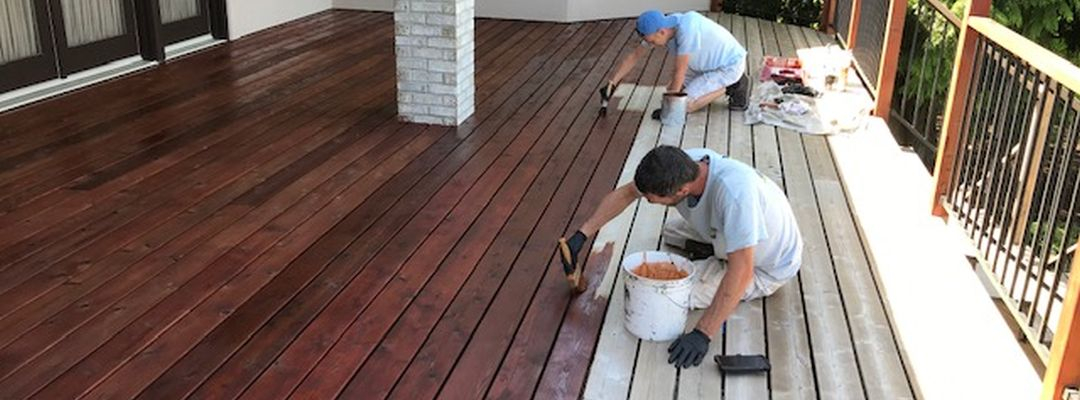
A deck provides extra space for relaxing, entertaining guests, and enjoying the outdoors. Regular exposure to sunlight, rain, humidity, and foot traffic can cause its finish to fade or wear away. A professional deck painting contractor can assess the surface, recommend a suitable coating, and prepare the deck for a fresh finish. The right approach improves the appearance of the outdoor area while helping protect the wood or other paintable materials. Homeowners should understand the difference between deck paint and stain, the importance of preparation, and the maintenance needed after the project.
Why Deck Finishing Matters?
Outdoor decks face changing weather conditions throughout the year. Sunlight can break down coatings and fade colors. Moisture can enter unprotected wood and contribute to swelling, cracking, or decay. Dirt and organic debris can also collect between boards and hold moisture against the surface.
A suitable deck coating helps protect the surface from ordinary exposure. Paint can provide an opaque color that covers much of the original wood grain. Deck stain typically allows more of the wood's natural pattern to remain visible, depending on the product.
Neither option eliminates the need for maintenance. The condition of the deck, the type of coating, and the local weather all affect its service life. A contractor should evaluate the material before recommending paint or stain.
Deck Paint or Deck Stain?
Deck paint suits homeowners who prefer a solid color and a more uniform appearance. It can cover discoloration and create a coordinated look with the home's exterior. However, the existing coating and wood condition must support the chosen product.
Deck stain offers a different appearance. Transparent and semi transparent stains allow more grain to show, while solid stains cover more of the surface color. Some products penetrate the wood, while others create a surface film.
The best choice depends on the deck's existing finish, wood species, exposure, and maintenance goals. A contractor should check product compatibility before applying a new coating over an old one.
Inspecting the Deck Before Painting
A professional inspection helps identify conditions that affect the project. The contractor checks boards, railings, stairs, posts, and other exposed components. Loose boards, protruding fasteners, damaged railings, and rotted wood require attention before painting.
The inspection should also identify peeling paint, faded stain, mildew, dirt, and areas where water collects. These problems may indicate that the deck needs repairs, cleaning, stripping, or sanding.
Structural damage requires more than a new coat of paint. A coating cannot restore a weak board or repair an unstable railing. The homeowner should arrange appropriate repairs before the contractor finishes the surface.
Preparing the Deck for Painting
Preparation helps the coating bond to the surface. The contractor removes furniture, planters, loose debris, and other items. Nearby siding, plants, and hard surfaces receive protection from cleaning products and paint.
Cleaning removes dirt, mildew, and residue. The cleaning solution should suit the deck material and existing finish. Excessive pressure can damage wood fibers, so pressure washing requires proper settings and technique.
Old peeling paint may need scraping, sanding, or stripping. Sanding helps smooth rough areas and removes loose coating edges. However, the contractor must avoid damaging the wood or removing sound material unnecessarily.
Wood moisture levels also affect the result. The deck needs to dry sufficiently before painting. The contractor follows the product instructions for temperature, humidity, and moisture conditions.
Selecting Suitable Deck Paint
Deck coatings must handle outdoor exposure and regular foot traffic. Ordinary interior paint does not provide the right performance for a walking surface. A suitable exterior deck product should match the material and intended use.
Some coatings work best on previously painted surfaces, while others suit bare wood or prepared concrete. Product labels explain surface compatibility, application methods, drying periods, and maintenance needs.
Color selection should consider the home's siding, trim, landscaping, and outdoor furniture. Neutral shades can create a simple appearance, while deeper colors may provide stronger contrast. Sample testing helps homeowners evaluate the color under natural light.
Slip resistance also matters. A deck becomes dangerous when its surface is wet or contaminated. The painting contractor should select a product suitable for walking surfaces and follow the manufacturer's guidance. A coating alone does not make an unsafe deck structurally sound.
The Deck Painting Process
A professional deck painting project begins with preparation and repair. Once the surface meets the product requirements, the contractor applies primer when needed. The primer helps create a suitable base for certain coatings, particularly on bare or repaired surfaces.
The painter then applies the finish in controlled sections. Brushes may help coat board edges and tight areas, while rollers or other approved tools cover broad surfaces. Consistent application reduces lap marks and uneven coverage.
Here are two important details homeowners should understand before the project begins:
-
Weather conditions: Rain, direct sunlight, temperature, and humidity can affect application and drying. The contractor should choose suitable conditions and follow the product instructions.
-
Access and drying: Furniture and foot traffic must stay off the surface until the coating can handle normal use. Drying time and full curing time may differ.
The contractor inspects the finished deck for missed areas, drips, thin coverage, and other visible issues. Railings, stairs, and edges also need attention because these areas receive frequent contact and weather exposure.
Common Deck Painting Problems
Peeling often develops when the coating fails to bond properly, moisture affects the surface, or an incompatible product covers an older finish. Proper preparation and product selection help reduce these problems.
Blistering can occur when moisture or heat interferes with the coating. Applying paint to damp wood or in unsuitable weather can increase the risk.
Uneven color may result from inconsistent application or differences in the underlying surface. Proper preparation and steady application help create a more consistent appearance.
Excessively thick coating can also cause trouble. Some products need thin, even layers to dry and perform correctly. Following the manufacturer's directions helps prevent premature failure.
Deck Maintenance After Painting
Regular maintenance helps preserve the finish. Homeowners should remove leaves, dirt, and standing water. Gutters and drainage should direct water away from the deck where possible.
Inspect the surface at least seasonally. Look for peeling, cracks, loose boards, damaged railings, and areas that hold water. Clean the deck with products suitable for the coating.
Avoid dragging heavy furniture across the surface. Furniture pads can reduce scratches, and planters should not trap water against the deck boards. Small coating failures deserve attention before they spread across a larger area.
The deck may need repainting or recoating when the finish shows widespread wear. The correct schedule depends on the product, exposure, and amount of use.
Conclusion
A well planned deck painting project improves outdoor appearance and helps protect the surface from everyday exposure. Proper inspection, repairs, cleaning, and coating selection all contribute to a better result. Homeowners seeking a professional deck painting contractor should choose a company that understands outdoor materials and weather conditions. Matthews Painting is the best company for deck painting services in Broken Arrow, OK, and its surrounding areas. Contact Matthews Painting to discuss your deck's condition and select a suitable finish for your outdoor space.
Frequently Asked Questions
1. Is paint or stain better for a deck?
Paint provides more complete color coverage, while stain can preserve more of the natural grain. The right choice depends on the wood, existing finish, and desired appearance.
2. How long does deck paint last?
Deck paint may last several years when the surface receives proper preparation and maintenance. Weather, foot traffic, moisture, and product quality affect its lifespan.
3. Can I paint a deck that has already been stained?
Yes, in some cases. The contractor must assess the existing stain, remove loose material, prepare the surface, and confirm that the selected coating is compatible.
4. How long should a deck dry before painting?
The required drying time depends on the cleaning method, wood moisture, weather, and coating instructions. The surface must meet the product's moisture requirements.
5. Can deck paint make the surface slippery?
Some coatings can become slippery when wet. Select a product intended for deck surfaces and follow guidance on slip resistance and surface preparation.
Categories
- Artificial Intelligence (AI)
- Technology
- Business
- Education
- Science
- Lifestyle
- Healthcare
- Entertainment
- Politics
- Environment
- Travel
- Finance
- Automobile
- News
- Art
- Causes
- Crafts
- career
- Dance
- Drinks
- Film
- Fitness
- Food
- Games
- Gardening
- Health
- Home
- Literature
- Music
- Networking
- Other
- Party
- Religion
- Shopping
- Sports
- Theater
- Wellness
Read More
The Lubricating Oil Additive industry plays a significant role in supporting the performance and protection of engines, machinery, and industrial equipment. These specialized additives are blended with base oils to improve lubrication properties and provide protection against wear, deposits, oxidation, and corrosion. The increasing demand for efficient and durable lubrication solutions is...

Neue Spielideen prägen das Jahr 2026 Moderne Slot Spiele entwickeln sich in Deutschland 2026 deutlich weiter. Während frühere Automatenspiele häufig auf einfachen Walzen, wenigen Symbolen und einer überschaubaren Anzahl an Funktionen beruhten, setzen aktuelle Titel stärker auf abwechslungsreiche Mechaniken, moderne Gestaltung und mobile Bedienung. Neue...

Gurgaon, now known as Gurugram, is a rapidly growing corporate hub where relocation is a regular part of life. Whether you're shifting your home, office, or sending your bike to another city, finding reliable bike transport services in gurgaon is essential for a smooth experience. If you're planning bike transport in gurgaon, choosing a trusted brand like Carbikemovers ensures your bike is...
The dna paternity test kit Market is expanding as consumers, healthcare organizations, and legal institutions increasingly recognize the value of accessible genetic testing. The market was valued at approximately USD 800 million in 2025 and is projected to reach USD 1.5 billion by 2035, representing a CAGR of 5.9%. Growing awareness of genetic testing is one of the principal factors supporting...
From scenic winery vows along the Monticello Wine Trail to rustic barn receptions in Earlysville, Charlottesville is a premier destination wedding hub. While the region’s picturesque countryside offers an unforgettable backdrop, rural travel can present unexpected challenges for visitors. Winding roads, limited street lighting, spotty cell phone reception, and restricted venue parking...