


Pest Control Whitby: Managing Common Pests in Local Properties
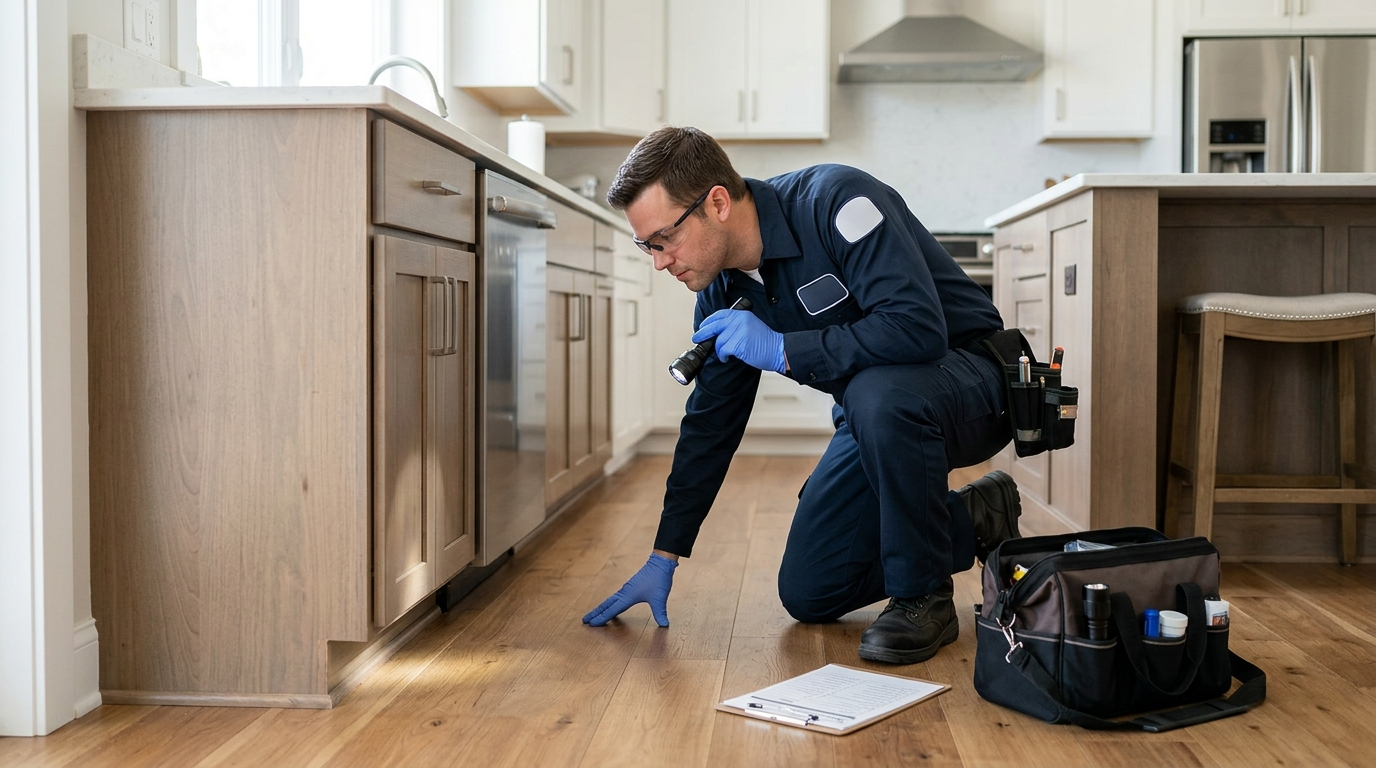
Unwanted pests can affect the comfort, cleanliness, and condition of residential and commercial buildings. Professional pest control Whitby services help property owners manage infestations through inspection, suitable treatment, and measures designed to reduce future activity. From carpenter ants near wooden structures to mice in garages, bed bugs in bedrooms, and wasps around rooflines, each pest requires an approach suited to its behaviour and the conditions around the property.
Whitby includes established neighbourhoods, newer subdivisions, homes near green spaces, and commercial buildings. Older structures may have gaps or worn seals, while properties near trees and landscaped areas can experience different patterns of insect and wildlife activity. Understanding these factors helps residents take practical steps to protect their properties throughout the year.
Why Pest Management Matters in Whitby
Pests may cause more than a temporary nuisance. Rodents can damage stored items and contaminate food, while cockroaches can create sanitation concerns. Certain insects may affect wooden structures, and bed bugs can spread between locations through belongings and furniture.
Many pests remain concealed during the early stages of an infestation. Small openings, damp areas, cluttered storage spaces, and unsealed food containers can provide the conditions they need to survive.
A proper inspection helps establish what pest is present, where activity is concentrated, and which factors may be contributing to the problem. This makes it easier to select suitable treatment and prevention measures.
Common Pest Problems in Whitby
Carpenter Ants and Other Ant Species
Carpenter ants may establish nests in damp or damaged wood, including areas affected by moisture around windows, decks, rooflines, and other structural components. They do not consume wood as food, but nesting activity can damage it over time.
Other ants may enter kitchens and storage areas while searching for food. Their trails can often be traced to an outdoor nest, a gap in the building, or another source of access.
Reducing moisture, repairing damaged wood, keeping food sealed, and closing suitable entry points can help limit ant activity. When ants repeatedly appear indoors, professional identification can help determine whether the issue involves an outdoor colony or a nest within the structure.
Mice and Rats
Rodents may enter through openings around foundations, garage doors, utility lines, vents, and other structural gaps. Once inside, they can hide in attics, basements, cupboards, wall voids, and storage areas.
Signs may include droppings, gnaw marks, shredded materials, or scratching sounds. These indicators should be assessed carefully to establish where the animals are active.
Rodent management often combines removal, inspection, and exclusion. Trapping alone may not resolve the problem if entry points remain open. Sealing appropriate gaps and managing food and waste can help reduce the likelihood of repeat activity.
Bed Bugs
Bed bugs are small insects that hide close to places where people sleep. They can occupy mattress seams, bed frames, upholstered furniture, and narrow cracks near sleeping areas.
They may be transported through luggage, used furniture, clothing, and other personal belongings. This means that even a tidy home can experience an infestation.
A careful inspection should confirm whether bed bugs are present before treatment begins. Depending on the extent of the activity, management may involve preparing affected rooms, treating identified locations, and arranging follow-up checks. Moving potentially infested items without proper containment can spread the problem.
Cockroaches
Cockroaches often shelter in warm, protected locations near food and water. Kitchens, bathrooms, cupboards, drains, and spaces behind appliances can provide suitable hiding areas.
They can contaminate food-contact surfaces and create concerns for homes and businesses. Sanitation, moisture control, monitoring, and targeted treatment are important parts of an effective response.
Repeated sightings may indicate that the infestation is established or that access to a neighbouring area remains possible. A professional inspection can help determine the extent of activity and the appropriate next steps.
Wasps and Hornets
Wasps and hornets may build nests beneath eaves, around decks, inside sheds, or in other sheltered outdoor locations. Activity can become disruptive when nests are close to doors, patios, walkways, or frequently used outdoor spaces.
Do not attempt to disturb a nest without understanding the risks. A qualified pest-control professional can assess the location and recommend suitable management measures, especially when a nest is close to people or a person has a known sting allergy.
Spiders, Silverfish, and Other Insects
Spiders may appear in basements, garages, sheds, and corners where other insects are present. Silverfish may favour humid areas, including bathrooms and storage spaces.
Reducing clutter, improving ventilation, repairing screens, and sealing suitable openings can help limit access. Persistent activity may warrant an inspection to determine whether moisture, insects, or concealed harbourage is contributing to the issue.
Residential Pest Control in Whitby
Detached Homes and Older Properties
Homes with basements, attics, decks, sheds, and mature landscaping can have several potential pest entry points. Older structures may have gaps around service lines, worn door seals, or wood that has been affected by moisture.
A residential inspection should consider both the interior and exterior of the building. Recommendations may include targeted treatment, repairs, exclusion work, and changes to storage or waste management.
Newer Subdivisions and Townhouses
New construction does not eliminate pest risk. Openings around utility connections, garage doors, vents, and exterior fixtures can still provide access.
Townhouses and other attached homes may also share structural spaces or have nearby sources of pest activity. When an infestation recurs, the assessment should consider possible entry routes and whether adjoining areas require attention.
Condominiums and Rental Units
Pest management in multi-unit buildings may require cooperation between residents, landlords, property managers, and service providers. Cockroaches, bed bugs, and rodents can move through shared spaces or be introduced through belongings.
Residents should report signs promptly and follow the property's treatment procedures. Coordinated action may be necessary when activity extends beyond a single unit.
Commercial Pest Control in Whitby
Businesses need pest management that reflects their operations, premises, and potential risks. Food businesses must maintain appropriate cleaning and storage practices, while warehouses need to monitor loading areas, stockrooms, and possible rodent entry points.
Offices, retail stores, and multi-unit commercial properties can benefit from scheduled inspections and clear procedures for reporting sightings. A written plan may outline monitoring frequency, treatment responsibilities, recordkeeping, and corrective measures.
For businesses handling food or regulated materials, pest management should support applicable hygiene and operational requirements. Staff training can also help prevent conditions that attract pests and ensure concerns are reported quickly.
How Pest Control Services Work
Inspection and Identification
The first stage involves examining affected areas and confirming the likely pest species. Depending on the problem, the technician may inspect entry points, nesting locations, moisture sources, droppings, insect harbourage, or damage to building materials.
Correct identification helps avoid unsuitable treatments and makes it easier to target the source of activity.
Customized Treatment
The service provider develops a plan based on the inspection findings, the extent of the infestation, and the property's conditions. Treatment may involve targeted applications, traps, monitoring devices, or exclusion work.
The provider should explain any preparation, safety precautions, and temporary restrictions. Pest-control products must be used according to label directions and applicable regulations.
Monitoring and Follow-Up
Some pest problems require repeat visits to confirm that activity has declined. Follow-up can help identify remaining nests, untreated locations, or access points that need attention.
The service provider may also recommend maintenance measures to reduce the risk of another infestation. These steps are particularly useful when the original conditions are likely to remain.
Preventing Pests Around Your Property
Consistent maintenance can reduce the opportunities pests have to enter and remain in a building.
-
Seal appropriate gaps around doors, windows, pipes, and foundations.
-
Repair leaks and address damp areas promptly.
-
Store food and pet supplies in sealed containers.
-
Clean kitchen surfaces and remove food residue.
-
Keep rubbish bins closed and empty them regularly.
-
Store outdoor materials away from exterior walls where practical.
-
Maintain window screens and exterior door seals.
-
Inspect furniture and luggage for signs of insects.
-
Keep vegetation from making unnecessary contact with the building.
-
Monitor basements, attics, garages, and storage rooms for unusual activity.
These measures help reduce pest pressure, although an established infestation may need professional treatment.
Selecting a Pest Control Provider in Whitby
Choosing a provider involves reviewing technical capability, safety practices, and the scope of service. Ask whether the company is appropriately licensed and insured, has experience with the pest involved, and can explain the proposed treatment.
Request clear information about the inspection, preparation requirements, costs, follow-up visits, and any exclusion or monitoring work. If a service includes a warranty, review its terms and understand what conditions may affect coverage.
A suitable provider should explain the reasons for its recommendations and distinguish between immediate treatment and measures needed to reduce recurrence. Clear communication makes it easier to understand what the service can reasonably address.
Conclusion
Pest control Whitby services help property owners manage ants, rodents, bed bugs, cockroaches, wasps, and other pests that can affect buildings throughout the year. Successful management begins with accurate identification, careful inspection, and treatment suited to the specific infestation.
Routine property maintenance, moisture control, secure food storage, and structural exclusion can strengthen prevention. When pests persist, a qualified professional can assess the source of activity and recommend a practical plan that includes treatment and follow-up where necessary.
Frequently Asked Questions
What pests commonly affect properties in Whitby?
Common concerns include carpenter ants, other ant species, mice, rats, bed bugs, cockroaches, spiders, and wasps. The types of pests present can vary with the property and season.
Why do carpenter ants appear around homes?
Carpenter ants may nest in damp or damaged wood, while other ants may enter buildings to access food. An inspection can help determine the species and likely source of activity.
Can rodents enter newer homes?
Yes. Rodents can use gaps around garage doors, utility connections, vents, and foundations. Building age alone does not eliminate the risk of entry.
Are follow-up visits necessary after pest treatment?
They may be necessary depending on the pest, the extent of the infestation, and the treatment method. Follow-up helps assess progress and determine whether further action is needed.
How can businesses reduce pest problems?
Businesses can maintain clean storage areas, manage waste, seal entry points, train staff to report sightings, and arrange inspections appropriate to their operations.
Categories
- Artificial Intelligence (AI)
- Technology
- Business
- Education
- Science
- Lifestyle
- Healthcare
- Entertainment
- Politics
- Environment
- Travel
- Finance
- Automobile
- News
- Art
- Causes
- Crafts
- career
- Dance
- Drinks
- Film
- Fitness
- Food
- Games
- Gardening
- Health
- Home
- Literature
- Music
- Networking
- Other
- Party
- Religion
- Shopping
- Sports
- Theater
- Wellness
Read More
The Viscosupplements Market is gaining significant attention within the healthcare industry as demand for minimally invasive solutions for joint pain and osteoarthritis continues to increase. WiseGuyReports estimates that the market was valued at approximately USD 3.47 billion in 2024 and is expected to reach USD 5.2 billion by 2032, expanding at a CAGR of around 5.17% during the forecast...

The Core Materials Market is covered by Business Market Insights with 2025 as the base year and 2026–2033 as the forecast period. The Core Materials market size was valued at US$ 2.12 billion in 2025 and is projected to reach US$ 4.61 billion by 2033, growing at a CAGR of 10.20% during 2026–2033. Market growth is best understood as the interaction between customer demand, operating...
The Desserts Market is experiencing steady growth as consumers continue to seek convenient, indulgent, and innovative frozen treats. According to The Insight Partners, the Frozen Desserts Market is projected to grow from US$ 135.73 billion in 2025 to US$ 165.87 billion by 2034, registering a CAGR of 2.54% during the forecast period from 2026 to...

As the India Artificial Intelligence market evolves, a myriad of transformative industry trends are emerging, poised to redefine operational paradigms across sectors. With an anticipated market size of USD 54.04 billion by 2035, the sector is experiencing a remarkable compound annual growth rate (CAGR) of 18.2%. This growth is not merely a reflection of technological advancements; it signals a...
The Hybridization Tube Racks Market is expected to experience continued development as laboratories increase their use of high-throughput testing, molecular biology techniques, and automated research systems. These racks provide an essential organizational function by keeping laboratory tubes secure and properly arranged during different experimental processes. Growth in pharmaceutical...
