

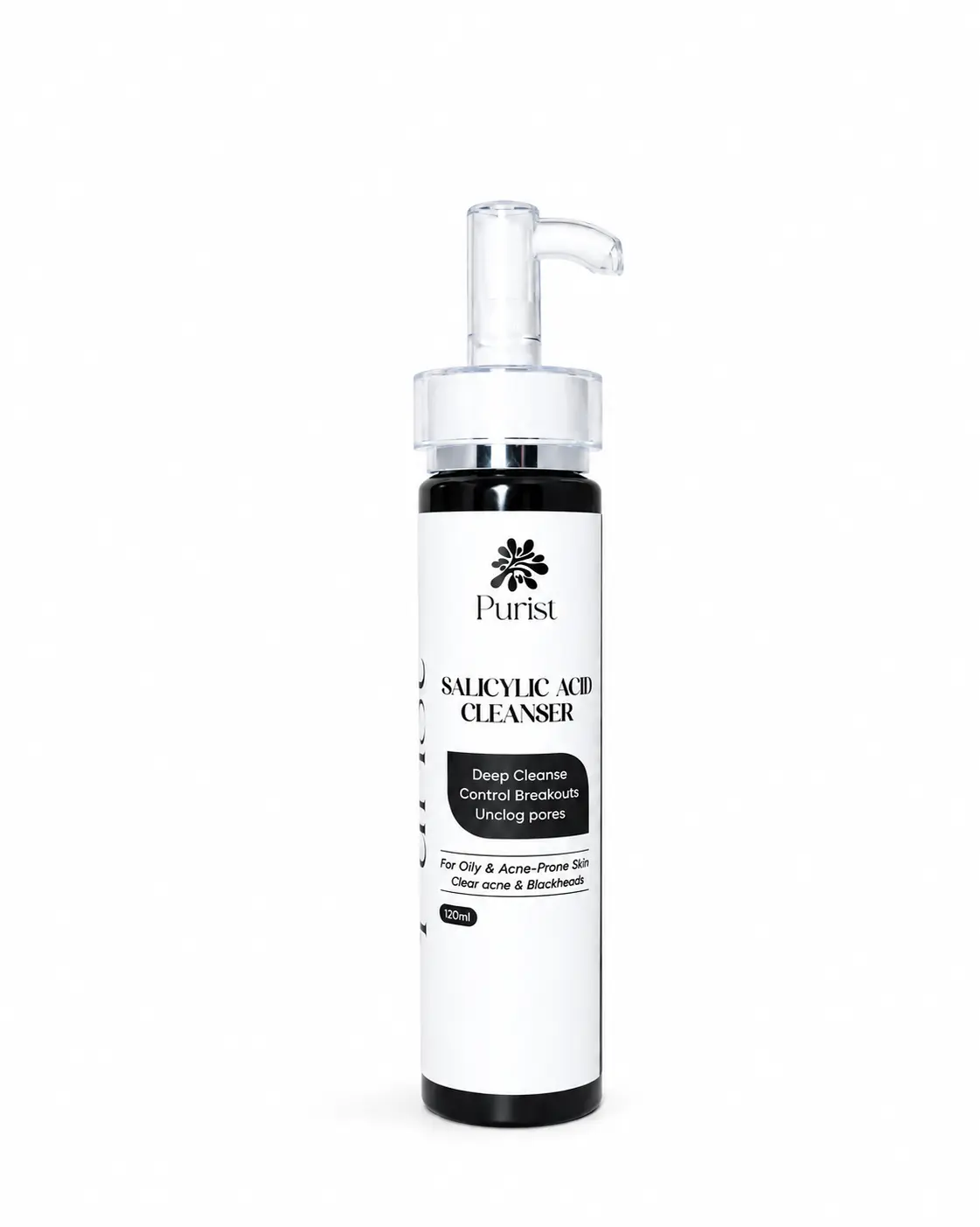

Dealing with oily skin can feel like a never-ending cycle. You wash your face in the morning, but a few hours later, your forehead looks shiny again. Blackheads appear around your nose, and occasional breakouts make your skin feel difficult to manage.
A salicylic acid face wash can help address these concerns without adding too many steps to your skincare routine. This ingredient helps loosen the buildup of dead skin cells inside pores, making it useful for people who experience clogged pores, blackheads and certain types of acne.
However, choosing the right cleanser involves more than looking for a popular ingredient. Your skin type, the product's formula and how often you use it all matter.
Let's look at how salicylic acid works, who may benefit from it and how to use it without unnecessarily irritating your skin.
What Makes Salicylic Acid Different From Other Cleansing Ingredients?
Salicylic acid is a beta hydroxy acid, commonly called BHA. It helps exfoliate the skin by loosening dead skin cells that can contribute to clogged pores.
One reason it is useful for oily skin is its oil solubility. It can work within the oily environment of pores, helping remove the buildup associated with blackheads and certain acne lesions.
A regular cleanser mainly removes sweat, dirt, sunscreen and excess surface oil. A salicylic acid cleanser does that while also providing an exfoliating benefit.
The result depends on the complete formula. The concentration, contact time, other ingredients and your skin's tolerance all influence how a product performs.
Salicylic acid is not a cure for every type of acne, and a cleanser containing it will not produce identical results for everyone.
Three Skin Concerns Salicylic Acid Can Help Address
1. Blackheads Around the Nose and Chin
Blackheads develop when pores become clogged with oil and dead skin cells. The material inside an open pore darkens when exposed to air; the dark colour is not simply dirt sitting on the skin.
Salicylic acid can help loosen this buildup and gradually improve the appearance of blackheads. A cleanser may be a useful starting point if your nose, chin or forehead frequently develops clogged pores.
Avoid squeezing blackheads or scrubbing them aggressively. These habits can irritate the skin and may leave marks.
2. Excess Shine During the Day
Oily skin produces more sebum than it needs to maintain its natural protective functions. Heat, humidity and individual hormonal patterns can make the resulting shine more noticeable.
A salicylic acid face wash can help remove excess oil from the skin's surface and reduce pore congestion. However, it does not permanently switch off your oil glands.
If your skin becomes tight or uncomfortable after washing, the cleanser may be too harsh or you may be using it too frequently. The goal is comfortable, clean skin rather than a completely dry feeling.
3. Certain Types of Acne
Acne can develop when pores become blocked and inflammation occurs. Salicylic acid serum helps address the clogged pores that contribute to some blackheads, whiteheads and pimples.
It may be helpful for mild acne, particularly when congestion is a major concern. However, deep, painful or scarring acne often requires a more comprehensive treatment plan.
If breakouts persist, worsen or leave scars, consult a qualified dermatologist instead of relying on a face wash alone.
Is Salicylic Acid Face Wash Suitable for Your Skin Type?
Your skin's needs should guide your choice.
Oily skin: A salicylic acid cleanser may help remove excess surface oil and manage clogged pores. Choose a formula that cleans without leaving your face tight.
Combination skin: If your forehead and nose are oily but your cheeks feel dry, begin with occasional use. Pay attention to how the drier areas respond.
Acne-prone skin: This ingredient may help with blackheads and some mild breakouts. Introduce it gradually, especially if you already use acne treatments.
Dry or sensitive skin: Salicylic acid may cause irritation, dryness or peeling. A gentle, fragrance-free cleanser may be a better starting point. If you decide to try an exfoliating cleanser, seek professional advice if your skin is particularly reactive.
Dehydrated skin: Dehydration and oiliness can occur together. If your face feels tight despite looking shiny, focus on gentle cleansing and moisturising rather than increasing exfoliation.
No single cleanser works best for everyone. A suitable formula should fit your skin's needs without disrupting its natural barrier.
How to Use a Salicylic Acid Cleanser Without Overdoing It
A straightforward routine is often enough. You do not need a shelf full of active ingredients to care for acne-prone skin.
Step 1: Start With a Small Amount
Wet your face with lukewarm water and apply the cleanser according to its label instructions. Avoid hot water, rough washcloths and vigorous rubbing.
Step 2: Follow the Recommended Contact Time
Massage gently and rinse as directed on the packaging. Do not leave a rinse-off cleanser on your skin longer than recommended in the hope of getting faster results.
Step 3: Apply Moisturiser
Use a moisturiser suited to your skin type. Even oily skin benefits from hydration, and a well-tolerated moisturiser can help reduce uncomfortable dryness.
Step 4: Finish With Sunscreen in the Morning
Apply broad-spectrum SPF 30 or higher sunscreen during the day. Sunscreen is an important part of protecting your skin, especially when your routine includes exfoliating ingredients.
Step 5: Adjust According to Your Skin's Response
If you are new to salicylic acid, start two or three times a week rather than immediately using it morning and evening. Increase frequency only if the product label permits it and your skin tolerates it.
Reduce use or stop if you develop persistent burning, redness, excessive peeling or significant discomfort.
Common Mistakes That Can Make Acne-Prone Skin Worse
Sometimes the problem is not the ingredient itself but how it fits into your routine.
Using too many active ingredients: Combining a salicylic acid cleanser with multiple exfoliating acids, retinoids or other potentially irritating treatments can increase dryness and irritation. Introduce products gradually.
Skipping moisturiser: Removing oil does not mean your skin no longer needs moisture. A suitable moisturiser helps support the skin barrier.
Washing your face repeatedly: Frequent washing and harsh scrubbing can irritate the skin. Most people do well with gentle cleansing morning and evening, adjusted to their needs.
Expecting overnight results: Blackheads and acne usually improve gradually. Give a suitable routine time to work, while monitoring for irritation.
Ignoring persistent breakouts: Not all acne responds to the same ingredients. Painful nodules, scarring or acne that does not improve deserve assessment by a qualified healthcare professional.
What Should You Look for When Buying One?
Do not choose a cleanser based on its marketing claims alone. Check the ingredient list, directions and suitability for your skin.
Look for a formula that contains salicylic acid and cleanses without leaving your face excessively dry. If your skin is sensitive, consider a fragrance-free option with a gentle cleansing base.
A higher concentration is not automatically better. More intensive formulas may increase irritation without being necessary for your concerns.
Also, remember that rinse-off products have limited contact with the skin. Their results can differ from leave-on salicylic acid treatments, so do not assume that every product delivers the same benefits.
If you have an aspirin allergy, are pregnant or breastfeeding, or are treating a skin condition with prescription products, ask a healthcare professional or pharmacist whether a salicylic acid product is appropriate for you.
How Long Does It Take to Notice a Difference?
Results depend on your skin, the formula and how consistently you use it.
Some people notice that their skin feels cleaner after the first few uses. Improvements in blackheads and mild acne generally take longer and may require several weeks of consistent use.
Keep your routine simple while assessing the results. Changing multiple products at once makes it harder to identify what is helping or causing irritation.
If your skin becomes increasingly uncomfortable, do not push through the reaction just to maintain a routine.
Keep Your Skincare Routine Simple
A salicylic acid face wash can be a practical option for people dealing with excess oil, blackheads and some forms of mild acne. Its exfoliating action helps loosen pore-clogging buildup while the cleanser removes everyday impurities.
The key is finding a formula that suits your skin and using it at a frequency you can tolerate. Pair it with a gentle moisturiser, daily sunscreen and realistic expectations.
Healthy-looking skin does not come from stripping away every trace of oil. It comes from understanding what your skin needs, treating it consistently and knowing when a concern requires professional care.

