


Water retention can make your body feel heavy, uncomfortable, and bloated. It occurs when excess fluid builds up in body tissues, sometimes causing puffiness around the face, hands, ankles, or legs. Although occasional fluid retention may be related to dietary habits or prolonged sitting, persistent swelling can sometimes indicate an underlying medical condition. Lymphatic massage is a gentle technique that supports the movement of lymph fluid through the body's lymphatic system. People considering Lymphatic Massage in Riyadh often want to know whether this treatment can help reduce puffiness, improve comfort, and support fluid balance. Understanding its benefits and limitations can help you determine whether it is an appropriate option for your needs.
The lymphatic system plays an important role in maintaining fluid balance by collecting excess fluid from tissues and returning it to the bloodstream. When lymphatic drainage is impaired, fluid may accumulate and contribute to swelling. Lymphatic Massage in Riyadh may be considered for certain types of fluid buildup, particularly when a healthcare professional recommends manual lymphatic drainage as part of a treatment plan. However, not all water retention results from a lymphatic problem. The effectiveness of massage depends on the underlying cause, so identifying why fluid is accumulating is an important first step before beginning treatment.
What Is Water Retention?
Water retention, medically referred to as edema when it causes tissue swelling, occurs when excess fluid accumulates in the body's tissues. It can affect different areas, including the face, abdomen, hands, feet, and ankles. The symptoms may range from mild puffiness to noticeable swelling that affects daily comfort.
Common Causes of Water Retention
Several factors can contribute to fluid retention, including prolonged sitting or standing, hormonal fluctuations, high sodium intake, certain medications, and underlying health conditions affecting the heart, kidneys, liver, or circulation. Lymphatic system dysfunction can also contribute to fluid buildup. Because these causes require different approaches, persistent or unexplained swelling should be evaluated by a healthcare professional rather than treated with massage alone.
Common Signs and Symptoms
Water retention may cause swollen ankles, puffy hands, facial puffiness, tight-fitting shoes, or a feeling of heaviness in the limbs. In some cases, pressing gently on the swollen area leaves a temporary indentation. The pattern and severity of symptoms can provide useful information, but a medical assessment may be needed to determine the cause.
How Does Lymphatic Massage Help With Water Retention?
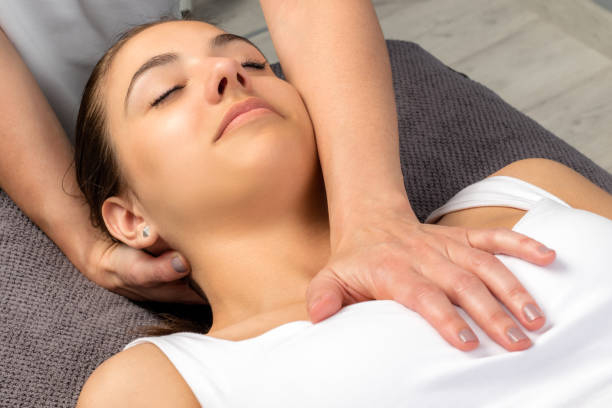
Manual lymphatic drainage is a specialized technique that uses light, rhythmic movements to encourage lymph fluid to move toward functioning drainage pathways. It differs from traditional massage because it does not rely on deep pressure or forceful muscle manipulation.
Encourages Lymphatic Fluid Movement
The lymphatic system helps transport excess tissue fluid back toward the bloodstream. When lymphatic drainage is impaired, a trained practitioner may use specific movements to encourage fluid movement through available lymphatic pathways. This approach can help manage selected conditions involving lymphatic fluid buildup, although results vary depending on the underlying problem.
May Reduce Certain Types of Swelling
For people with diagnosed lymphedema or other appropriate indications, manual lymphatic drainage may help reduce swelling when included in a broader treatment plan. It is not a universal treatment for water retention caused by medication, hormonal changes, or heart, kidney, or liver conditions. Treating the underlying cause remains essential.
Can Improve Feelings of Heaviness
Excess fluid can create pressure, tightness, and discomfort in affected areas. When the swelling responds to lymphatic drainage, some individuals may experience improved comfort and easier movement. However, massage does not directly burn fat or guarantee lasting changes in body shape.
Which Areas May Benefit From Lymphatic Massage?
Face and Neck
Temporary facial puffiness may occur for several reasons, including sleep patterns, allergies, and fluid fluctuations. Gentle massage may temporarily improve puffiness in suitable individuals, but persistent facial swelling should be medically assessed.
Legs and Ankles
Fluid buildup in the lower limbs can be associated with prolonged standing, circulation problems, or lymphatic dysfunction. Lymphatic drainage may be appropriate for selected conditions, but new or unexplained leg swelling requires assessment before massage.
Arms and Other Body Areas
People with certain lymphatic conditions may develop swelling in their arms or other affected areas. A qualified healthcare professional can determine whether lymphatic drainage is suitable and whether compression or other treatments should be included.
What to Expect During a Lymphatic Massage Session
Initial Assessment
Before treatment, a practitioner should review your symptoms, medical history, medications, and any recent surgery. This helps determine whether lymphatic massage is appropriate and whether further medical investigation is necessary.
Gentle Massage Technique
The practitioner applies light, rhythmic movements to selected areas of the body. The sequence is tailored to the individual's condition and the functioning lymphatic pathways. The treatment should not involve painful or excessively forceful pressure.
Aftercare and Ongoing Support
Depending on the underlying condition, recommendations may include regular movement, appropriate skin care, compression garments, or follow-up treatment. The frequency of sessions depends on individual needs and professional guidance.
Other Ways to Manage Water Retention
Lymphatic massage may be one option for selected conditions, but other measures can also help depending on the cause. Regular movement can support circulation, while reducing excessive sodium intake may help some people manage fluid retention. Elevating swollen legs may provide relief in appropriate circumstances. If medication is contributing to swelling, consult your healthcare professional before making any changes.
Seek medical attention for persistent, worsening, or unexplained swelling. Sudden swelling in one leg, particularly with pain, warmth, or redness, needs urgent assessment. Chest pain or shortness of breath alongside swelling requires emergency medical attention.
Is Lymphatic Massage Right for You?
Choosing Lymphatic Massage in Riyadh begins with understanding your symptoms and identifying the reason for fluid buildup. A qualified practitioner can discuss your goals, review relevant precautions, and explain whether the technique may be appropriate. Lymphatic massage is generally well tolerated when performed correctly, but it may be unsuitable for people with certain serious heart or kidney conditions, acute infections, or suspected blood clots. Professional medical advice is especially important when water retention is persistent or accompanied by other symptoms.
Book Your Consultation at Royal Clinic Saudia
If water retention or swelling is affecting your comfort, a consultation can help you explore suitable options based on your individual needs. Royal Clinic Saudia can be your starting point for discussing your concerns and learning whether lymphatic drainage may be appropriate. Contact the clinic to arrange a consultation and receive personalized guidance before beginning treatment.
FAQs:
Can lymphatic massage get rid of water retention?
It may help manage fluid buildup associated with certain lymphatic conditions, including lymphedema. However, it does not address every cause of water retention, and results depend on the underlying condition.
How quickly can lymphatic massage reduce fluid buildup?
Some people may notice temporary changes after a session when their swelling responds to treatment. The timing and extent of improvement vary, and some conditions require ongoing care.
Can lymphatic massage help reduce a bloated stomach?
Lymphatic massage is not an established treatment for digestive bloating caused by gas, constipation, or food intolerance. Abdominal swelling can have several causes, so persistent symptoms should be assessed by a healthcare professional.
Is lymphatic massage safe for everyone with water retention?
No. People with certain heart or kidney conditions, acute infections, or suspected blood clots may need to avoid massage. Anyone with unexplained or sudden swelling should seek medical advice before treatment.

