


What Are the Early Signs and Symptoms of Lipedema?
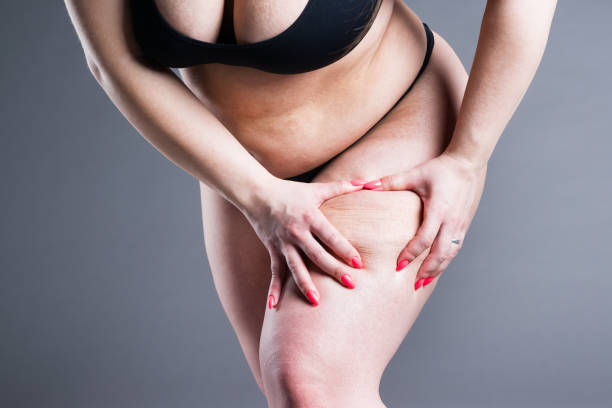
Lipedema is a chronic condition that causes an abnormal buildup of fatty tissue, usually around the hips, thighs, legs, and sometimes the arms. In its early stages, it may appear as a change in body shape, but other symptoms, including tenderness, easy bruising, and a feeling of heaviness, can also develop. Recognizing Lipedema in Riyadh is important for individuals who notice unusual changes in their body proportions or experience discomfort that does not improve with ordinary lifestyle adjustments. Early awareness can encourage timely medical assessment and help individuals explore appropriate ways to manage their symptoms.
Many people initially mistake lipedema for routine weight gain, cellulite, or fluid retention. However, the condition often has distinctive features, such as symmetrical fat accumulation in the legs and relative sparing of the feet. Symptoms may develop gradually and can become more noticeable during hormonal changes, including puberty, pregnancy, or menopause. Understanding Lipedema in Riyadh can help individuals recognize possible warning signs, avoid common misconceptions, and seek professional guidance before the condition begins to interfere with their daily activities and overall comfort.
What Are the Earliest Signs of Lipedema?
The early signs of lipedema may be subtle, making the condition difficult to recognize without a proper assessment. Some individuals first notice that their lower body appears disproportionately larger than their upper body, while others experience tenderness or unexplained bruising. Although these signs may suggest lipedema, they can also occur with other conditions, so professional evaluation is important.
Disproportionate Fat Accumulation
One of the most recognizable early signs is an unusual distribution of fatty tissue around the hips, thighs, knees, or lower legs. The upper body may remain relatively unchanged while the lower body becomes fuller. This difference can persist even when a person maintains healthy habits. In some cases, similar changes occur in the upper arms, creating a noticeable difference between the affected and unaffected areas.
Symmetrical Enlargement of the Legs
Lipedema typically affects both legs in a relatively symmetrical pattern. Individuals may notice that their thighs or calves gradually become larger, even when their overall body weight has not changed significantly. Unlike some other causes of swelling, the feet are often relatively unaffected, creating a visible difference between the ankles and feet. This pattern can be a useful clue, although it cannot confirm the diagnosis by itself.
What Symptoms Can Appear in the Early Stages?
Early lipedema symptoms may involve more than changes in body shape. Recognizing physical discomfort and skin-related changes can help individuals decide when to seek medical advice.
Tenderness and Sensitivity to Touch
The fatty tissue affected by lipedema may feel unusually sensitive. Gentle pressure, tight clothing, or accidental contact can sometimes cause discomfort. Some individuals experience aching or soreness after standing for long periods or completing everyday activities. This tenderness is an important symptom to discuss with a healthcare professional, particularly when it occurs alongside symmetrical fat accumulation.
Easy Bruising Without a Clear Cause
Another possible early sign is frequent bruising. Small bumps or minor pressure may leave visible marks, even when the person does not remember a significant injury. Although easy bruising can have several causes, repeated unexplained bruises combined with leg tenderness and disproportionate fat distribution may warrant further evaluation.
A Feeling of Heaviness in the Legs
Some individuals experience heaviness, fatigue, or discomfort in their legs, especially after prolonged standing or walking. The sensation may make routine activities feel more demanding. While heaviness can also be associated with circulation problems and other conditions, persistent symptoms should not be ignored.
Changes in Skin Texture
In the early stages, the skin may appear relatively normal, although some people notice a soft, uneven, or slightly nodular texture beneath the surface. As the condition progresses, the affected tissue may become more pronounced. Cellulite alone does not indicate lipedema, so skin appearance should always be considered alongside other symptoms.
How Is Lipedema Different From Ordinary Weight Gain?
Ordinary weight gain generally involves an increase in body fat that can affect several areas, depending on genetics and individual physiology. Lipedema, by contrast, commonly produces disproportionate and symmetrical fat accumulation in the lower body or arms. Tenderness and easy bruising may also occur, and affected tissue can respond differently to weight-loss efforts.
A person with lipedema may maintain a healthy lifestyle and still experience persistent enlargement in affected areas. However, lipedema and obesity can occur together, and body shape alone cannot establish a diagnosis. A qualified healthcare professional can assess symptoms, review medical history, and determine whether further investigation is necessary.
What Causes the Early Symptoms of Lipedema?
The exact cause of lipedema is not fully understood. Research suggests that hormonal influences and genetic predisposition may contribute to its development. Symptoms often begin or become more noticeable during puberty, pregnancy, or menopause, although the timing varies between individuals. Lipedema is not simply caused by overeating or insufficient exercise, and it is important to approach the condition without blame or stigma.
Why Is Early Diagnosis Important?
Recognizing possible symptoms early can help individuals understand their condition and establish an appropriate management plan. A healthcare professional may examine the distribution of fatty tissue, assess tenderness and bruising, and consider other possible causes of swelling or discomfort. Conditions such as lymphedema and venous disorders can sometimes produce similar symptoms and may require different treatments.
Early assessment also creates an opportunity to discuss symptom relief, suitable physical activity, compression garments when appropriate, and ongoing monitoring. Seeking medical guidance does not necessarily mean surgery is required; management depends on the diagnosis, severity of symptoms, and individual needs.
How Can Early Lipedema Symptoms Be Managed?
Although there is no guaranteed cure for lipedema, several strategies may help support comfort and mobility. Low-impact activities such as walking, swimming, and water-based exercise can improve general fitness while reducing excessive joint strain. Balanced nutrition supports overall health, while appropriately fitted compression garments may help some individuals manage associated swelling.
Manual lymphatic drainage may provide relief when fluid-related swelling is present, but it does not remove lipedema fat. Individuals should consult a qualified healthcare professional before starting a treatment plan, especially if symptoms are worsening or another medical condition may be involved.
Explore Lipedema Assessment at Royal Clinic Saudia
If you have noticed persistent leg tenderness, easy bruising, or disproportionate fat accumulation, consider contacting Royal Clinic Saudia to inquire about a consultation. A professional assessment can help you discuss your symptoms, understand possible causes, and explore appropriate next steps based on your individual needs.
FAQs:
Can Lipedema Start With Mild Symptoms?
Yes. Early lipedema may begin with subtle changes in body shape, mild tenderness, or occasional bruising. Symptoms and progression vary between individuals, so an assessment can help clarify the cause.
Does Lipedema Always Affect Both Legs?
Lipedema typically affects both legs in a symmetrical pattern, although the degree of enlargement may differ. Unexplained swelling in only one leg, especially when sudden or painful, requires prompt medical evaluation.
Can Early Lipedema Be Reversed With Exercise?
Exercise can support mobility, strength, and general health, but it does not reliably eliminate lipedema-related fatty tissue. A personalized management plan may help reduce discomfort and support daily functioning.
When Should I See a Doctor About Possible Lipedema?
Seek medical advice if you experience persistent tenderness, frequent unexplained bruising, or disproportionate enlargement of the legs or arms. Sudden swelling, severe pain, redness, or warmth should be assessed promptly because these symptoms may indicate another medical problem.
Categories
- Artificial Intelligence (AI)
- Technology
- Business
- Education
- Science
- Lifestyle
- Healthcare
- Entertainment
- Politics
- Environment
- Travel
- Finance
- Automobile
- News
- Art
- Causes
- Crafts
- career
- Dance
- Drinks
- Film
- Fitness
- Food
- Games
- Gardening
- Health
- Home
- Literature
- Music
- Networking
- Other
- Party
- Religion
- Shopping
- Sports
- Theater
- Wellness
Read More
The Biosimilar Contract Manufacturing Market is experiencing robust growth as pharmaceutical and biotechnology companies increasingly outsource the production of biosimilar products to specialized contract manufacturing organizations (CMOs). Biosimilars are highly similar versions of approved biologic medicines that offer comparable safety, efficacy, and quality while providing more...

Understanding the Activated Roller Belt Sorter Market Size is essential for stakeholders looking to capitalize on the automation boom. This analysis covers the scale of the market and the strategic decisions driving current infrastructure investments. Market Overview and Introduction The Activated Roller Belt Sorter Market Size is expanding as the industrial sector moves toward total...

Many people considering body contouring surgery often wonder whether summer or winter is the better time for the procedure. When it comes to a tummy tuck in Islamabad, the timing of surgery can influence comfort, recovery, clothing choices, and daily activities. Although tummy tuck surgery can be performed successfully throughout the year, each season comes with its own advantages and...

Brick structures have been used in construction for many years because of their strength, durability, and long-lasting performance. Bricks provide solid support to buildings and help protect them from weather conditions such as rain, wind, and temperature changes. A well-built brick surface not only improves safety but also enhances the overall appearance of a property. Common Causes of Brick...

Hardwood flooring has long been recognized for its timeless beauty, durability, and ability to enhance the appearance of any interior space. Homeowners and property managers often choose hardwood floors because they complement a wide range of design styles while adding long-term value to a property. Importance of Expert Installation Many homeowners rely on Hardwood Flooring Installation in...

