

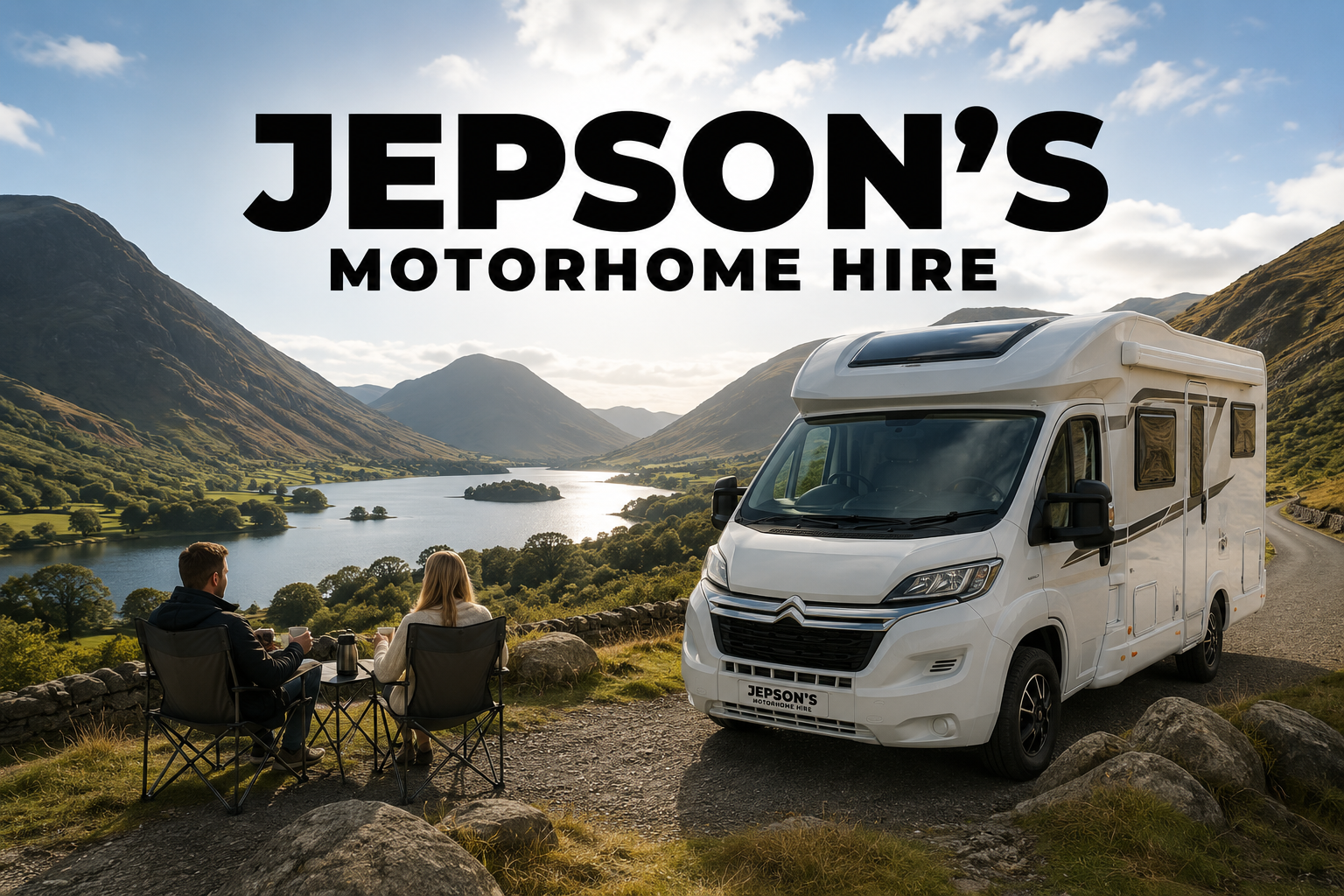
Motorhome Maintenance Guide UK: Size, WiFi and Essential Checks for Every Journey

A motorhome holiday offers the freedom to explore the British countryside, coastal roads and historic towns at your own pace. However, a comfortable and trouble-free trip depends on more than choosing a destination. Motorhome maintenance, the right motorhome size and reliable motorhome WiFi all play an important role in making every journey safer and more enjoyable.
From checking tyres before a long drive to choosing an appropriate vehicle for a family holiday, understanding these essentials helps travellers plan with confidence. Whether you are considering your first motorhome hire or preparing for a longer touring adventure, this guide from Jepson's Motorhome explains what to consider before setting off across the UK.
Why Is Motorhome Maintenance Important?
Motorhome maintenance involves looking after both the vehicle's mechanical components and its living facilities. Unlike an ordinary car, a motorhome may include cooking equipment, water systems, electrical connections, heating and sleeping areas. Each needs appropriate attention.
Regular maintenance can help identify problems early, reduce unexpected interruptions and protect the vehicle's condition.
1. Check tyres, lights and brakes
Before travelling, inspect the tyres for cuts, visible damage and unusual wear. Check tyre pressures against the vehicle manufacturer's recommendations, taking the loaded vehicle into account. Test the headlights, indicators, brake lights and windscreen wipers.
Also check the mirrors, windscreen, brakes and dashboard warning lights. If anything appears unsafe, arrange professional assistance before driving.
UK drivers are responsible for ensuring their vehicles remain roadworthy. The government's vehicle safety guidance explains essential checks and the importance of following manufacturer recommendations.
2. Inspect engine fluids and the battery
Check engine oil, coolant and screenwash according to the vehicle handbook. Look for unusual leaks and pay attention to warning lights. Battery condition is particularly worth checking before a winter journey or after a motorhome has been parked for an extended period.
Do not open a hot cooling system or attempt repairs beyond your experience. A qualified mechanic should investigate persistent warning lights, fluid leaks or starting problems.
3. Look for damp and water ingress
The UK's wet weather makes water ingress an important consideration for motorhome owners. Inspect rooflights, windows, door seals and visible joints for deterioration. Inside, look for damp smells, unexplained staining, bubbling surfaces or soft wall panels.
These signs do not always confirm a leak, but they deserve investigation. Arrange a professional habitation inspection when needed, particularly if the vehicle has been stored outdoors or used extensively in wet conditions.
4. Maintain the living area
Test taps, water pumps, cupboard catches, ventilation and appliances according to the manufacturer's instructions. Keep the interior clean and dry, and empty the waste-water system appropriately after trips.
Gas and electrical systems should be inspected or repaired by suitably qualified professionals. Never ignore a suspected gas leak or a faulty carbon monoxide alarm.
5. Prepare for seasonal travel
Before an autumn or winter holiday, check the heating system, battery, lights, tyres and weather protection. If freezing temperatures are expected, follow the manufacturer's instructions for draining or protecting the water system.
During warmer months, inspect ventilation, refrigeration and water supplies. A simple maintenance checklist can help prevent small problems from becoming holiday disruptions.
Motorhome Size Guide: Which Vehicle Is Right for Your Trip?
Choosing the right motorhome size affects driving comfort, storage, sleeping arrangements and campsite access. The best option depends on the number of travellers, luggage requirements and destinations.
| Motorhome type | Suitable for | Main consideration |
|---|---|---|
| Compact campervan | Solo travellers and couples | Easier to manoeuvre, with less living space |
| Small motorhome | Couples or small families | A balance of comfort and manageable dimensions |
| 4-berth motorhome | Couples or families needing up to four sleeping places | Check seat belts, bed arrangements and payload |
| 6-berth motorhome | Larger families or groups | More space but potentially greater driving and parking challenges |
These categories are general guides rather than standard dimensions. Layouts and weights vary between manufacturers and models.
What should you check before choosing a size?
Sleeping capacity: Confirm the number of usable beds and whether they need converting from seating areas.
Seat belts: The number of sleeping places does not necessarily equal the number of approved travelling seats. Verify that every passenger has an appropriate seat belt.
Storage and payload: Luggage, passengers, water, equipment and accessories all contribute to the vehicle's loaded weight. Check the permitted payload and maximum authorised mass (MAM).
Height and width: Record the vehicle's actual dimensions before using car parks, narrow country lanes, low bridges or height-restricted entrances. Plan suitable routes rather than relying on standard car navigation settings.
Driving licence: In Great Britain, licence entitlement depends on factors including the vehicle's MAM and the driver's circumstances. Many motorhomes up to 3,500 kg can be driven on a standard Category B licence, subject to the applicable rules. Heavier vehicles may require additional entitlement. Check the official GOV.UK guidance before hiring or driving.
For a couple planning a weekend break, a compact vehicle may be easier to handle. A family travelling for a week might prefer a four-berth model with adequate storage and separate sleeping arrangements. The priority is finding a layout that fits the trip rather than simply selecting the largest vehicle available.
Motorhome WiFi: How to Stay Connected on the Road
Reliable motorhome WiFi can make travelling more convenient. It helps passengers research attractions, check weather forecasts, access online maps, communicate with family and, where coverage allows, work remotely.
However, internet access varies significantly across the UK. Rural valleys, remote coastal areas and parts of the Scottish Highlands may have weaker mobile signals than towns and cities.
What are the main motorhome WiFi options?
1. Mobile phone hotspot
A smartphone can share its mobile data connection with other devices. This is a simple option for occasional browsing, navigation and messages.
Check your data allowance, network coverage and roaming terms. Using a hotspot for video calls or streaming can consume substantial data.
2. Dedicated mobile WiFi router
A portable router uses a mobile SIM or supported data connection to provide WiFi for several devices. Some models support external antennas or multiple networks, depending on their specifications.
This can be useful for families travelling with laptops, tablets and phones. Before buying equipment, check whether it supports the required mobile bands and whether your chosen network covers your intended destinations.
3. Campsite WiFi
Some UK campsites offer guest WiFi, although speed, coverage, cost and access conditions vary. Ask about the signal in your pitch area rather than assuming the connection will reach every part of the site.
4. Public WiFi
Cafés, libraries and visitor facilities may provide internet access. Avoid using unsecured public networks for sensitive activities unless you have suitable security protections.
Tips for improving motorhome internet access
-
Check network coverage along your route before travelling.
-
Download maps, booking details and entertainment for offline use.
-
Carry a suitable charging cable or power bank.
-
Position a router where it receives the strongest available signal, following its safety instructions.
-
Monitor data usage, especially when streaming or joining video meetings.
-
Keep a backup option for important journeys or work commitments.
Motorhome WiFi should be treated as a convenience rather than a guarantee. If you need dependable connectivity for remote work, test your equipment and network in the areas you intend to visit.
How Maintenance, Size and WiFi Work Together
These three considerations are closely connected. A larger motorhome may provide more room for working equipment and storing supplies, but it may also need more careful route planning. A compact campervan can simplify parking, while its limited living space may make extended stays less comfortable for some travellers.
Similarly, adding a router, extra batteries or other accessories affects storage and potentially electrical demand. Check that equipment is compatible with the vehicle and does not compromise its payload or safe operation.
Before a trip, consider the following:
| Planning requirement | What to do |
|---|---|
| Vehicle safety | Complete pre-journey checks and follow servicing schedules |
| Vehicle selection | Match sleeping capacity, travelling seats and payload to your group |
| Route planning | Check road restrictions, vehicle dimensions and suitable stopping places |
| Internet access | Review coverage and prepare offline alternatives |
| Campsite facilities | Confirm pitch suitability, electrical hook-ups and available connectivity |
Expert Insight: Build a Pre-Travel Routine
A practical approach is to divide preparation into three stages.
Before departure: Review servicing requirements, inspect the vehicle, test essential equipment and confirm that the motorhome suits the planned route.
At the start of each driving day: Check tyres, lights, mirrors, visible leaks and dashboard warnings. Secure loose items inside the living area and ensure doors and storage compartments are closed.
After returning: Clean the interior, manage the water system as instructed, record any faults and arrange repairs before the next trip.
For hired motorhomes, follow the hire provider's handover instructions and report problems promptly. Never assume that a previous inspection removes the need to check the vehicle before driving.
Jepson's Motorhome can be a useful starting point for travellers exploring motorhome hire options and planning a UK road trip. Compare available vehicle layouts and clarify the facilities, equipment and hire conditions before making a booking.
Frequently Asked Questions
1. How often should a motorhome be serviced?
Follow the manufacturer's time- and mileage-based servicing schedule. The living accommodation may also require a separate habitation inspection. Check the relevant service records and arrange additional inspections if you notice a fault.
2. What does motorhome maintenance include?
It can include engine servicing, tyre and brake checks, battery care, fluid checks, lighting, water systems, appliances, damp inspections and safety equipment. The precise requirements depend on the motorhome and its manufacturer.
3. What size motorhome is best for a family?
A four-berth motorhome may suit a family of four, provided it has appropriate travelling seats, sleeping arrangements and payload capacity. Larger groups may need a different layout. Always check the specific vehicle details.
4. Is a larger motorhome harder to drive in the UK?
It can be more challenging on narrow roads, in small car parks and around tight bends. Check height, width, length and weight, and plan routes appropriate for the vehicle.
5. Can I use my phone for motorhome WiFi?
Yes. A smartphone hotspot can share a mobile data connection with other devices. Its usefulness depends on network coverage, data allowance and battery life.
6. Does motorhome WiFi work in remote areas?
Not reliably everywhere. Signal strength depends on location, network and equipment. Download essential maps and information in advance, and consider alternative networks if connectivity is important.
7. Do I need a special driving licence for a motorhome?
Not always. Requirements depend on the vehicle's maximum authorised mass, your licence entitlement and your circumstances. Consult current GOV.UK guidance before driving a heavier motorhome.
8. Why is damp inspection important?
Water ingress can damage interior materials and may lead to expensive repairs if left untreated. Inspect visible seals and interior surfaces regularly, and arrange professional assessment if you suspect damp.
Conclusion
A successful motorhome holiday starts with sensible preparation. Regular motorhome maintenance helps keep the vehicle roadworthy, a suitable motorhome size guide makes it easier to select a layout for your travelling group, and reliable motorhome WiFi helps you stay connected where coverage permits.
By checking the vehicle, planning routes around its dimensions, understanding payload limits and preparing for patchy connectivity, UK travellers can make more informed decisions before setting off.
For anyone considering a motorhome holiday, Jepson's Motorhome provides a starting point for exploring hire options and planning a comfortable trip around the UK.

