


The Neural Network: How Electric and Autonomous Vehicles Wiring Harness Market Powers Modern Mobility

According to Market Research Future, the electric and autonomous vehicles wiring harness market is projected to grow from USD 11.89 billion in 2025 to USD 52.54 billion by 2035 at a CAGR of 16.02%. The Electric and autonomous vehicles wiring harness market encompasses the complex networks of cables, connectors, and terminals that distribute electrical power and transmit signals throughout modern vehicles. As vehicles become increasingly electrified and automated, wiring harnesses have evolved from simple electrical distribution systems into sophisticated neural networks that connect sensors, controllers, and actuators across the entire vehicle architecture.
The fundamental purpose of wiring harnesses is to provide the physical infrastructure for electrical power distribution and data communication. Every electrical component in a vehicle—from the battery pack to the infotainment system—requires connection to power sources and control units. The wiring harness provides these connections in an organized, protected, and serviceable manner. In electric vehicles, harnesses must handle high-voltage power distribution for the traction system while also managing low-voltage networks for auxiliary systems. In autonomous vehicles, harnesses must support the high-bandwidth data transmission required by sensors, cameras, and computing platforms.
The types of wiring harnesses used in modern vehicles reflect diverse functional requirements. Power distribution harnesses carry electrical current from batteries and power sources to components throughout the vehicle. Signal distribution harnesses transmit data between sensors, controllers, and actuators. Body wiring harnesses connect lighting, windows, locks, and other body systems. Dashboard wiring harnesses link instruments, controls, and infotainment systems. Each harness type serves specific functions and must meet distinct requirements for current capacity, signal integrity, and environmental protection.
The market dynamics of the wiring harness segment reflect the rapid transformation of vehicle electrical architectures. Passenger vehicles represent the largest vehicle type segment, driven by the growth of electric and hybrid vehicles. Power distribution harnesses hold the largest share, essential for delivering electrical power throughout the vehicle. Copper remains the dominant material, offering excellent conductivity and reliability, though aluminum is growing as a lightweight alternative. North America leads the market, while Asia-Pacific grows fastest.
The technological evolution of wiring harnesses continues to advance. High-voltage harnesses for electric vehicles incorporate enhanced insulation and shielding to ensure safety. Aluminum conductors reduce weight while maintaining performance. Flat flexible cables enable tighter packaging. Integrated sensors monitor harness health and detect faults. These innovations improve performance while addressing the unique requirements of electrified and autonomous vehicles.
The benefits of advanced wiring harnesses extend beyond basic connectivity to include weight reduction, reliability, and system integration. Optimized designs reduce weight, improving efficiency and range. Robust construction ensures reliable operation over the vehicle lifetime. Integration with vehicle architectures simplifies assembly and maintenance. These benefits make wiring harnesses essential for modern vehicle performance.
The challenges facing the wiring harness market include complexity management, cost pressure, and supply chain resilience. Increasing vehicle electrification and automation multiply the number of connections required. Competitive pressures demand continuous cost reduction. Global supply chains face disruption risks. These challenges drive innovation in design, manufacturing, and materials.
Looking ahead, the future of wiring harnesses will be shaped by continued electrification, autonomous driving, and architectural evolution. Zonal architectures will consolidate connections into regional controllers. High-voltage systems will require enhanced safety features. Smart harnesses with integrated diagnostics will enable predictive maintenance. For comprehensive market analysis and technology trends, explore the detailed Electric and Autonomous Vehicles Wiring Harness Market report.
Access detailed findings to navigate market complexities:
Automotive Wheel Bearing Aftermarket Market
Automotive Wi Fi Router Market
Categories
- Artificial Intelligence (AI)
- Technology
- Business
- Education
- Science
- Lifestyle
- Healthcare
- Entertainment
- Politics
- Environment
- Travel
- Finance
- Automobile
- News
- Art
- Causes
- Crafts
- career
- Dance
- Drinks
- Film
- Fitness
- Food
- Games
- Gardening
- Health
- Home
- Literature
- Music
- Networking
- Other
- Party
- Religion
- Shopping
- Sports
- Theater
- Wellness
Read More
The Analgesics Market spans a broad spectrum of pharmaceutical classes, including Non-Steroidal Anti-Inflammatory Drugs (NSAIDs), acetaminophen, opioids, and adjuvant pain medications. Prescription-strength therapies continue to command a major share of total revenue due to institutional hospital demand and complex chronic pain management. However, over-the-counter (OTC) options are...

Comparative Analysis of Graft Materials: Synthetic, Biological, and Bioengineered Solutions Selecting the optimal conduit for vascular bypass surgery requires balancing mechanical durability, biocompatibility, and long-term patency. Vascular graft materials are broadly categorized into synthetic polymers, biological tissues, and emerging tissue-engineered conduits, each offering distinct...
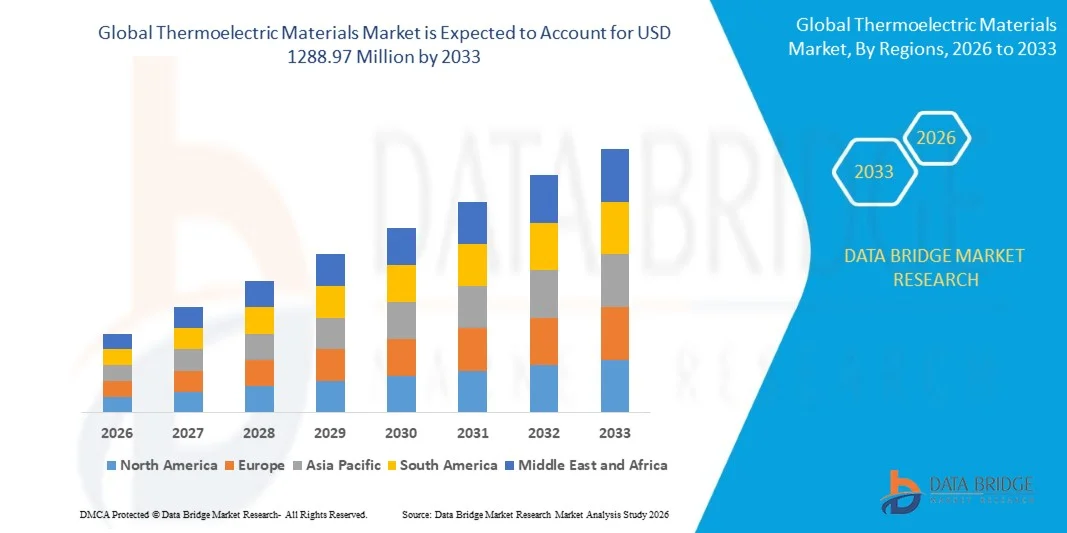
According to the latest report published by Data Bridge Market Research, the Thermoelectric Materials Market CAGR Value The global thermoelectric materials market size was valued at USD 652.13 million in 2025 and is expected to reach USD 1288.97 million by 2033, at a CAGR of 8.89% during the forecast period The large scale Thermoelectric Materials Market report...
The Hair Loss Treatment Products Market is experiencing consistent growth as consumers become increasingly aware of hair-loss conditions and available treatment options. The market was valued at approximately USD 3.4 billion in 2025 and is expected to reach around USD 5.5 billion by 2033, registering a CAGR of 6.7% during 2025–2033. Increasing...
The Medical Clothing Market was valued at USD 120.5 billion in 2025 and is projected to reach USD 250.8 billion by 2035, expanding at a CAGR of 7.6% from 2026 to 2035. Rising infection-prevention requirements, hospital expansion, ambulatory procedures, and growing demand for protective healthcare apparel are supporting market growth. Surgical gowns accounted for a 34.0% revenue share in 2024,...
