
How Can You Choose the Perfect Round Cut Engagement Ring?
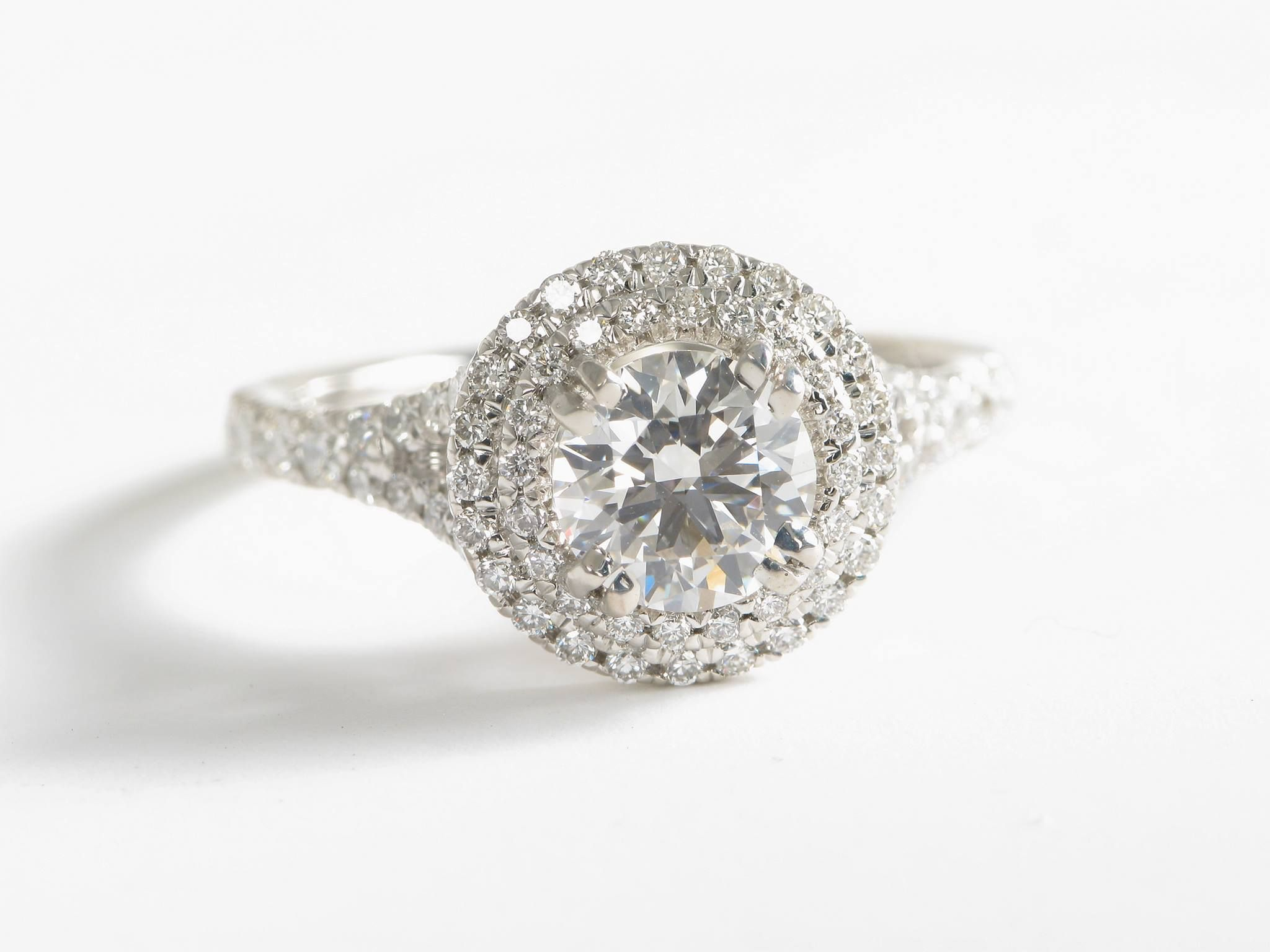
Choosing an engagement ring is an important decision because it represents a personal commitment and a meaningful milestone. Round cut engagement rings remain a popular choice for couples who appreciate classic beauty, brilliant sparkle, and versatile designs. Their circular shape is designed to reflect light through carefully arranged facets, creating the bright appearance that many people look for in a diamond engagement ring.
However, finding the right ring involves more than selecting a beautiful stone. Diamond quality, setting style, metal type, budget, and everyday comfort should all be considered before making a purchase. A ring that looks impressive in a display case may not be the most practical option for every lifestyle or preference.
Understanding these details can make the shopping process easier and help you select a ring that feels personal rather than simply following a trend. Whether you prefer a minimalist solitaire, a sparkling halo, or a detailed vintage-inspired design, a round diamond offers plenty of possibilities.
Why Are Round Cut Engagement Rings So Popular?
Round diamonds have remained a familiar choice in engagement jewellery because they combine traditional styling with strong light performance. Their symmetrical shape works with many settings, making them suitable for both understated and elaborate ring designs.
The modern round brilliant cut is generally designed with 57 or 58 facets, depending on how the culet is counted. These facets are arranged to optimise the interaction between light and the diamond, although the actual performance depends on the stone's proportions, symmetry, and craftsmanship.
Exceptional Light Performance
One of the main attractions of a round brilliant diamond is its ability to display brightness, fire, and scintillation.
-
Brightness: The white light reflected from the diamond's interior and returned to the viewer.
-
Fire: The flashes of coloured light produced when white light is dispersed.
-
Scintillation: The flashes of light and dark that appear as the diamond or observer moves.
These visual effects contribute to the lively appearance associated with round brilliant diamonds.
A well-cut diamond can look attractive across different lighting conditions, although its performance should be assessed through its actual proportions and appearance rather than its shape alone.
A Timeless Design
Fashion trends change, but classic round diamond rings remain widely recognised as engagement jewellery. Their balanced shape can be paired with traditional yellow gold, modern white gold, romantic rose gold, or platinum.
This flexibility allows the ring to reflect individual taste without relying on a highly specific fashion trend.
Round diamonds are also frequently selected for solitaire rings, three-stone designs, and halo settings. As a result, the shape can be adapted to different budgets and personal styles.
Which Round Cut Engagement Ring Style Suits Your Personality?
The setting can significantly influence the overall appearance of a ring. Even when two rings feature diamonds of similar size and quality, their designs may create very different visual effects.
1. Solitaire Engagement Rings
<text color="secondary" size="sm">A classic option for understated elegance.</text>
A solitaire ring features one central diamond held by a setting, often with a plain metal band. This design places most of the visual attention on the centre stone.
Solitaire settings are particularly suitable for people who prefer clean lines and a traditional appearance. They can also make it easier to appreciate the diamond's proportions and brilliance without additional stones competing for attention.
Consider a solitaire if you:
-
Prefer simple, versatile jewellery.
-
Want the centre diamond to remain the main focus.
-
Like designs that pair easily with different wedding bands.
-
Want a style that can be worn comfortably for many occasions.
The prong setting is commonly used for solitaire rings because it allows light to enter the diamond from multiple directions. However, prongs should be inspected periodically to ensure the stone remains secure.
2. Halo Engagement Rings
<text color="secondary" size="sm">Designed to create additional sparkle.</text>
A halo ring features smaller diamonds or gemstones arranged around the centre stone. The surrounding stones can make the overall setting appear larger and add extra sparkle.
This design is often chosen by people who enjoy a more decorative look. A halo may also allow a smaller centre diamond to create a substantial visual impression without increasing its carat weight.
When comparing halo rings, inspect the alignment of the surrounding stones and the quality of the setting. Smaller stones should be securely mounted, as loose settings may require repair.
3. Three-Stone Engagement Rings
<text color="secondary" size="sm">A meaningful design with added dimension.</text>
Three-stone rings feature a central diamond accompanied by two side stones. The side stones may be round diamonds or other shapes, depending on the design.
The arrangement creates a wider appearance across the finger and offers opportunities for personalisation. Some couples associate the three stones with a relationship's past, present, and future, although the symbolism is a personal interpretation rather than a universal rule.
This setting may suit buyers who want a traditional centre diamond with additional visual detail.
4. Vintage-Inspired Engagement Rings
Vintage-inspired designs often include milgrain detailing, engraved bands, delicate patterns, or decorative settings influenced by earlier jewellery styles.
A round diamond works well in these designs because its symmetrical outline complements intricate metalwork.
These rings can be particularly appealing to people who appreciate distinctive craftsmanship and decorative details. However, intricate settings may require more careful cleaning because dirt can collect around small stones and recessed areas.
5. Hidden Halo and Modern Designs
A hidden halo places smaller diamonds beneath or around the centre stone's setting rather than creating a prominent circle visible from above.
This design offers additional detail when the ring is viewed from the side while preserving a relatively simple appearance from the top.
Modern settings may also feature asymmetrical bands, mixed metals, or unusual prong arrangements. If you prefer a contemporary look, these options can provide individuality without changing the classic round diamond shape.
How Do You Choose the Right Diamond for Round Cut Engagement Rings?
Diamond quality plays an important role in the ring's appearance and price. The four Cs, which stand for cut, colour, clarity, and carat weight, provide a useful framework for comparing diamonds.
However, these characteristics should be considered together rather than treated as independent measures of beauty.
Understand Diamond Cut Quality
Cut is particularly important for round brilliant diamonds because it influences how effectively the stone handles light.
A diamond with excellent proportions and craftsmanship may display stronger brightness and scintillation than a poorly cut diamond of the same carat weight.
When reviewing a diamond, consider:
-
Its cut grade, where a recognised grading system provides one.
-
Symmetry and polish grades.
-
Proportions and overall visual balance.
-
Light performance under different lighting conditions.
-
Whether the stone looks attractive to you in person or through reliable video.
For grading reports issued under the Gemological Institute of America's system, round brilliant diamonds can receive cut grades ranging from Excellent to Poor. Grading terminology may differ between laboratories, so reports should be interpreted according to the issuing organisation.
Select a Suitable Colour Grade
Diamond colour grading evaluates how close a diamond is to colourless under controlled conditions. In the commonly used GIA scale, grades range from D, representing colourless, through Z, representing increasing visible colour.
A higher colour grade generally commands a higher price, but the difference may not always be noticeable in everyday viewing.
Some buyers prefer a near-colourless diamond because it offers a balance between appearance and cost. Others deliberately choose warmer tones, particularly when the diamond is set in yellow or rose gold.
The setting metal, diamond size, and individual visual sensitivity can all influence how colour is perceived.
Compare Clarity Without Overspending
Clarity refers to internal characteristics called inclusions and surface features called blemishes.
Diamonds are graded according to the visibility, size, number, nature, and position of these characteristics under standardised examination conditions.
Higher clarity grades can be more expensive, but a diamond does not necessarily need to be flawless to look beautiful.
An eye-clean diamond has no inclusions that are readily visible to the unaided eye under ordinary viewing conditions. This can be a useful buying consideration, although the term is not a universal formal clarity grade.
Before purchasing, examine the stone carefully and review its grading report. The position of an inclusion can matter because some characteristics may be more noticeable than others.
Find the Right Carat Weight
Carat measures a diamond's weight, not its exact visible size. Two diamonds with the same carat weight may appear different in size because their proportions and depth differ.
Larger diamonds generally cost more, but the price increase is not always proportional to the increase in weight.
If your budget is limited, compare diamonds around different carat thresholds rather than automatically choosing the largest available stone. A slightly smaller diamond with better light performance may be more visually appealing than a larger stone with weaker cut quality.
Which Metal Is Best for Your Engagement Ring?
The metal affects the ring's colour, durability, maintenance requirements, and overall style.
Yellow Gold
Yellow gold provides a warm, traditional appearance. It pairs well with classic solitaire settings and can create a beautiful contrast with a colourless round diamond.
Gold purity is measured in karats. For example, 14K gold contains a lower proportion of pure gold than 18K gold, with the remaining material made up of other metals.
The choice depends on your preferences, budget, and desired balance between gold content and practical durability.
White Gold
White gold offers a bright, contemporary appearance that complements round diamonds. It is frequently selected for minimalist and halo settings.
White gold jewellery is often finished with rhodium plating to create a bright white surface. That finish may wear over time and require maintenance.
Buyers should check the alloy composition and any care recommendations supplied by the jeweller.
Rose Gold
Rose gold contains copper, which contributes to its pinkish tone. It can create a distinctive look while maintaining the familiar appeal of a traditional engagement ring.
The warm colour pairs well with round diamonds and can be used in both vintage-inspired and contemporary designs.
Platinum
Platinum is valued for its durability and naturally white appearance. It is commonly used in fine jewellery and can be a suitable option for securely setting a valuable centre diamond.
Platinum is generally more expensive than many gold alternatives, although pricing depends on current metal markets and the specific ring.
It is also relatively dense, which may make a platinum ring feel heavier than a comparable gold design.
How Can You Choose an Engagement Ring Within Your Budget?
A meaningful engagement ring does not have to be the most expensive ring available. The best purchase is one that fits your financial circumstances while meeting your expectations for appearance and quality.
Prioritise the Features That Matter Most
Before shopping, decide which characteristics matter most to you. You may prioritise diamond brilliance, visible size, metal type, or a particular setting.
A practical buying process includes:
-
Establish a comfortable spending limit.
-
Choose the preferred ring style.
-
Compare diamonds using the four Cs.
-
Review grading reports and available documentation.
-
Compare the final price, warranty, and return conditions.
-
Confirm the correct ring size before placing the order.
This approach can help you avoid paying extra for characteristics that make little difference to your personal preferences.
Compare Natural and Lab-Grown Diamonds
Natural and laboratory-grown diamonds share the same basic chemical composition and crystal structure. They differ in origin, with natural diamonds forming through geological processes and laboratory-grown diamonds being produced using technological methods.
Both can be assessed using diamond grading criteria, although their market pricing and resale considerations may differ.
Laboratory-grown diamonds often cost less than comparable natural diamonds, allowing some buyers to select a larger stone or allocate more of their budget to the setting.
Neither option should be selected solely on price. Review the stone's grading documentation, origin disclosure, and the seller's policies before purchasing.
What Should You Check Before Buying a Round Diamond Ring?
A beautiful design should also be supported by reliable craftsmanship and transparent product information.
Review the Grading Report
For a significant diamond purchase, an independent grading report can provide information about the stone's characteristics.
Check that the report corresponds to the diamond being sold. Where applicable, verify its report number through the issuing laboratory's official verification service.
Remember that a grading report describes the diamond's characteristics. It is not the same as a valuation, warranty, or guarantee of future resale value.
Examine the Setting and Craftsmanship
The ring should be inspected for secure stone placement, even finishing, and a comfortable fit.
Pay attention to:
-
Prongs that hold the centre diamond securely.
-
A band that feels appropriate for everyday wear.
-
Smooth edges and consistent metal finishing.
-
Securely mounted accent stones.
-
A design that does not catch excessively on clothing.
A well-made ring should be suitable for the wearer's daily routine, although every fine jewellery piece benefits from periodic professional inspection.
Understand the Return Policy and Warranty
Before completing the purchase, review the seller's return window, resizing conditions, repair coverage, and any exclusions.
Ask whether routine inspections are offered and whether the ring can be resized without compromising the setting.
Clear policies can help prevent misunderstandings and provide reassurance if an adjustment becomes necessary after purchase.
Final Thought
Round cut engagement rings combine classic styling, versatile settings, and the distinctive brilliance of a round brilliant diamond. From a simple solitaire to an elaborate halo design, there are options to suit different preferences, lifestyles, and budgets. The right choice depends on more than carat weight or appearance alone. Diamond cut quality, metal selection, craftsmanship, grading documentation, and long-term care should all be considered before making a decision. By comparing these factors carefully and choosing a design that reflects your relationship and personal style, you can find an engagement ring that feels meaningful today and remains a cherished piece of jewellery for years to come.
Categories
- Artificial Intelligence (AI)
- Technology
- Business
- Education
- Science
- Lifestyle
- Healthcare
- Entertainment
- Politics
- Environment
- Travel
- Finance
- Automobile
- News
- Art
- Causes
- Crafts
- career
- Dance
- Drinks
- Film
- Fitness
- Food
- Games
- Gardening
- Health
- Home
- Literature
- Music
- Networking
- Other
- Party
- Religion
- Shopping
- Sports
- Theater
- Wellness
Read More
According to Market Research Future®, the India commercial real estate market is expected to register a CAGR of 15.4% from 2025 to 2035. The market is being shaped by technology-sector hiring and GCC expansion, infrastructure upgrades, connectivity improvements, REIT proliferation, and evolving capital-market structures. Get Sample Report PDF|...

The Nylon Flocked Sampling Swab Market is expanding as healthcare providers and laboratories seek efficient and reliable specimen-collection solutions. The market was valued at approximately USD 700 million in 2024 and is projected to reach USD 1.2 billion by 2035, at a 4.4% CAGR from 2026 to 2035. Rising diagnostic testing, infection-control requirements, and advances in medical technology are...
The global Gourmet Salts Market is benefiting from rising demand for natural and clean-label ingredients, growth of fine dining and gourmet home cooking, increasing health awareness around mineral-rich salts, and expansion of specialty food retail channels. According to Business Market Insights, the Gourmet Salts Market size was valued at US$ 3.87 Billion in 2025 and is projected to reach US$...
The Global DC Motor Control Devices Market Size is experiencing robust growth as industries worldwide accelerate the adoption of automation, robotics, electric vehicles (EVs), and smart manufacturing technologies. DC motor control devices are vital for regulating motor speed, torque, direction, and overall efficiency, making them indispensable across industrial automation,...
The Digital Architecture of Modern Combat Style Arenas The virtual casino industry within the United Kingdom has undergone a massive systemic shift, officially transitioning into a high-performance digital environment that shares the same mechanical DNA as modern competitive video games. Players no longer log into static, archaic websites; they enter fluid, low-latency gaming ecosystems...