

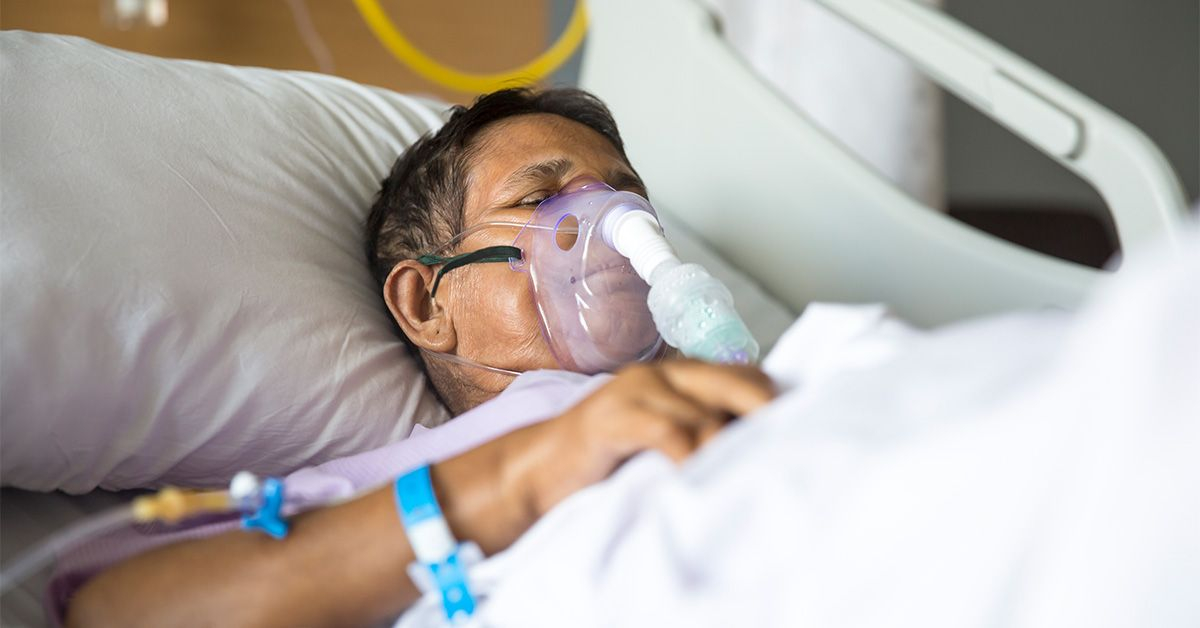

Caring for a patient who depends on mechanical ventilation requires careful attention, consistent routines, and appropriate medical guidance. Ventilator Care At Home In Dubai allows eligible patients to receive respiratory support in familiar surroundings, but caregivers must understand how to avoid common mistakes that could compromise comfort or safety. A Doctor at Home service may also help patients receive medical assessments and follow-up when clinically appropriate. From maintaining equipment correctly to recognizing warning signs and following emergency procedures, every aspect of home ventilator care should follow an individualized care plan. With proper training and support from qualified healthcare professionals, families can reduce avoidable risks, improve daily care routines, and provide a safer environment for patients who require ongoing respiratory assistance.
Ignoring the Individualized Ventilator Care Plan:
One common mistake is relying on general advice instead of following the patient's specific care plan. Ventilator requirements vary according to the patient's diagnosis, respiratory needs, airway type, and prescribed treatment. Instructions for one patient may not be suitable for another, even when both use similar equipment. Caregivers should understand the prescribed ventilation schedule, monitoring requirements, airway-care procedures, and emergency contacts before taking responsibility for routine tasks. Any uncertainty should be clarified with the treating clinician or qualified respiratory professional. Families must never change ventilator settings, alter prescribed treatment, or introduce new equipment arrangements without authorization. Keeping an up-to-date written care plan accessible can help everyone involved provide consistent and appropriate support.
Neglecting Routine Equipment Checks:
Ventilators and their accessories require regular checks according to the manufacturer's instructions and the patient's care plan. Overlooking visible damage, loose connections, obstructed air openings, or power-supply problems may lead to equipment difficulties when reliable ventilation is essential. Caregivers should learn which checks they are expected to perform and how to recognize problems that require technical assistance. Tubing should be arranged to avoid kinks, compression, or accidental pulling, while cables should be positioned to reduce tripping hazards. Equipment must not be repaired with household adhesives or improvised parts. If a component appears damaged or the ventilator repeatedly malfunctions, contact the equipment provider and follow the prescribed backup and emergency procedures.
Poor Hand Hygiene and Infection Prevention:
Inconsistent hand hygiene can increase the risk of transferring microorganisms to the patient or respiratory equipment. Caregivers should clean their hands before and after patient contact, handling respiratory accessories, providing personal care, or managing secretions. Gloves may be appropriate for tasks involving exposure to body fluids, but they do not replace hand hygiene. Clean equipment should be stored separately from used or contaminated supplies, and respiratory components must be cleaned or replaced only according to the manufacturer's instructions and clinical guidance. Some airway-care procedures require specialized training and should not be performed by untrained individuals. Families should also watch for potential signs of infection, including fever, unusual secretions, or a change in the patient's normal breathing pattern, and report concerns promptly.
Mishandling Ventilator Alarms:
Ventilator alarms are designed to alert caregivers to conditions that may need attention, so ignoring them or silencing them without understanding the cause is a serious mistake. Alarm meanings vary by device and situation, and the correct response depends on the patient's condition and prescribed emergency plan. Caregivers should receive practical training on the alarms associated with the patient's particular ventilator and know how to contact technical support. When an alarm occurs, they should follow their training, assess the patient as instructed, and use only authorized troubleshooting steps. Repeated alarms should be reported even if they stop temporarily. If the patient develops severe breathing difficulty, blue or grey lips or skin, becomes unresponsive, or loses essential ventilation, call local emergency services immediately.
Failing to Prepare for Power Outages and Emergencies:
A home ventilator patient may be at risk if the main electricity supply fails or equipment stops working unexpectedly. Families should not wait for an outage to learn how the approved backup power system operates. The care plan should explain the available battery or other compatible backup arrangements, their limitations, and the actions required if power cannot be restored. Caregivers should know where emergency supplies are stored, whom to contact, and when evacuation or emergency assistance may be necessary. Backup batteries should be maintained according to manufacturer guidance, and expected operating time should be confirmed with the equipment provider. Any manual ventilation or other emergency intervention should only be performed by someone trained and authorized under the patient's plan.
Overlooking Changes in the Patient's Condition:
Focusing only on the ventilator display can cause caregivers to miss important changes in the patient's overall health. Observing the patient is equally important, and caregivers should understand the person's usual breathing pattern, alertness, comfort, and other signs specified in the monitoring plan. New or worsening breathing effort, unusual sleepiness, fever, changes in secretions, or repeated difficulty tolerating ventilation should be discussed promptly with a healthcare professional. Families should record relevant observations and report them clearly rather than attempting to diagnose the cause themselves. Severe breathing difficulty, blue or grey lips or skin, or unresponsiveness requires immediate emergency assistance. Recognizing changes early can help patients receive timely assessment and appropriate care.
Performing Airway Procedures Without Proper Training:
Some ventilator-dependent patients need tracheostomy care, suctioning, or other airway-clearance procedures. These tasks can carry significant risks if performed incorrectly, so caregivers should never rely on online instructions or guesswork instead of practical training. Only people who have received appropriate training and authorization should perform the procedures included in the patient's care plan. Families should know which supplies are required, how to recognize complications, and when to seek professional assistance. They should not insert unapproved objects into the airway, attempt unfamiliar tube replacement procedures, or change equipment configurations without authorization. If a tracheostomy tube becomes displaced or the patient experiences serious breathing difficulty, follow the emergency plan and call emergency services when indicated.
Neglecting Comfort, Nutrition, and Emotional Wellbeing:
Ventilator care involves more than maintaining respiratory equipment. Patients may experience discomfort from masks or tubing, difficulty communicating, changes in mobility, feeding challenges, or anxiety about their dependence on medical support. Ignoring these concerns can affect quality of life and make daily care more difficult. Caregivers should follow prescribed positioning guidance, help maintain skin comfort, and support meaningful activities whenever possible. Nutrition and hydration should follow the patient's clinical plan, especially when swallowing problems or feeding tubes are involved. Families should also allow patients to express preferences and concerns using their available communication methods. Persistent pain, poor sleep, feeding difficulties, or emotional distress should be discussed with the treating team rather than dismissed as unavoidable.
Failing to Communicate With Healthcare Professionals:
Inconsistent communication can lead to confusion when several family members, nurses, and healthcare professionals share responsibilities. Caregivers should report equipment problems, changes in symptoms, repeated alarms, and concerns about the patient's daily routine to the appropriate person. A simple written record of observations, maintenance checks, and questions can help make clinical reviews more productive. Families arranging Ventilator Care At Home In Dubai should clarify staff qualifications, emergency coverage, technical support arrangements, and how updates will be shared with the treating clinician. Care plans should be reviewed whenever the patient's condition, equipment, or care requirements change. Asking questions early is safer than making assumptions or trying unapproved solutions.
Building Safer Daily Care Habits:
Preventing mistakes becomes easier when caregivers establish consistent routines and understand their responsibilities. A practical checklist can help organize essential tasks without replacing professional training or individualized instructions. Depending on the patient's plan, daily habits may include:
-
Following the prescribed ventilation and monitoring plan.
-
Checking equipment according to manufacturer guidance.
-
Practicing hand hygiene and safe equipment handling.
-
Keeping emergency contacts and backup supplies accessible.
-
Reporting new symptoms and recurring alarms promptly.
-
Ensuring that only trained and authorized people perform specialized procedures.
-
Reviewing caregiver responsibilities and emergency instructions regularly.
These habits can support continuity of care while helping families recognize when professional guidance is needed.
Final Thoughts.
Safe ventilator care at home depends on consistent routines, correct equipment handling, infection prevention, emergency preparedness, and clear communication with healthcare professionals. Caregivers should avoid changing prescribed settings, ignoring alarms, performing unfamiliar airway procedures, or delaying help when the patient's condition deteriorates. They should also recognize that comfort, nutrition, emotional wellbeing, and family support are important parts of comprehensive care. With appropriate training and a clear individualized care plan, Ventilator Care At Home In Dubai can help eligible patients receive respiratory support in familiar surroundings while prioritizing safety, dignity, and quality of life.

