


How Rhinoplasty Surgery Affects Your Facial Profile
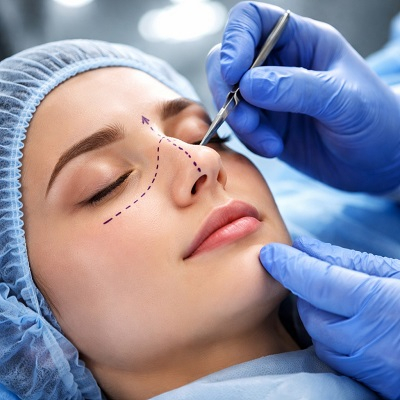
The nose plays an important role in the overall appearance of the face. Because it sits at the center, even a subtle change to its shape or proportions can influence how the forehead, cheeks, lips, and chin appear together. For individuals who feel that their nose is too prominent, uneven, or out of balance with other facial features, rhinoplasty may offer an opportunity to achieve a more harmonious profile.
People researching Rhinoplasty Surgery in Muscat often want to understand how the procedure might change their appearance from the side. Some may be concerned about a noticeable nasal hump, while others may wish to refine a drooping tip, adjust nasal projection, or address asymmetry following an injury. The effect of surgery depends on the individual's anatomy, personal goals, and the techniques appropriate for their needs.
However, rhinoplasty is not simply about making the nose smaller or creating a perfectly straight profile. A successful treatment plan considers the relationship between the nose and the rest of the face while preserving nasal support and breathing function. Understanding these relationships can help individuals develop realistic expectations and make informed decisions before surgery.
1. Understanding the Role of the Nose in Facial Profile
The facial profile refers to the outline of the face when viewed from the side. It includes the forehead, nose, lips, chin, and jawline. The way these features relate to one another influences the overall appearance of the profile.
Because the nose projects outward from the face, its bridge, length, tip position, and projection can have a noticeable effect on facial proportions. A prominent nasal hump may draw attention to the center of the face, while a drooping tip may make the nose appear longer. In other cases, a nose that seems unusually prominent may partly reflect the position or size of the chin.
Rhinoplasty can alter selected nasal features to improve balance. For example, reducing a dorsal hump may create a smoother side outline, while carefully adjusting the tip may change the apparent length or angle of the nose.
The goal is not necessarily to create a completely different face. Rather, the procedure may help the nose fit more comfortably with the individual's existing features.
When considering Rhinoplasty Surgery in Muscat, it is helpful for individuals to understand that facial harmony is subjective. There is no single profile that suits everyone, and a result that appears natural for one person may not be appropriate for another.
2. How Rhinoplasty Can Change the Side Profile
The extent of a profile change depends on the specific features being treated. Different adjustments can produce different visual effects, and the most appropriate approach depends on the individual's anatomy and desired outcome.
Reducing a Prominent Nasal Hump
A dorsal hump is a raised area along the bridge of the nose that may consist of bone, cartilage, or both. Some individuals feel that this feature makes their profile look uneven or causes the nose to appear more prominent.
Rhinoplasty may involve reshaping the bridge to create a smoother contour. The amount of change depends on the starting structure, skin characteristics, and the need to maintain adequate nasal support.
Removing a hump does not automatically mean the nose must become very small or narrow. In many cases, a conservative adjustment may better preserve facial proportions and create a natural-looking result.
Adjusting Nasal Projection
Nasal projection describes how far the nose extends outward from the face. A nose with greater projection may appear more prominent in profile, while a nose with less projection may look flatter.
Rhinoplasty can sometimes modify projection by adjusting the nasal tip and supporting structures. However, these changes require careful planning because the nose needs sufficient structural support to maintain its shape and function.
The ideal amount of projection varies according to facial proportions. The goal should be a balanced relationship with the forehead, lips, and chin rather than a predetermined measurement.
Refining a Drooping or Rounded Tip
The nasal tip can strongly influence the appearance of the profile. A tip that points downward may make the nose appear longer, particularly when viewed from the side. A rounded or poorly defined tip may also affect the overall contour.
Depending on the individual's anatomy, rhinoplasty may reshape the cartilage or adjust tip support to create a more balanced appearance. Excessive rotation or narrowing can produce an unnatural result, so subtle changes may be more suitable for some individuals.
Smoothing Uneven Contours
Some noses have irregularities caused by natural anatomy, previous injuries, or earlier surgery. Rhinoplasty may improve selected contour differences and create a smoother outline.
Nevertheless, complete symmetry is rarely achievable. Healing, existing structural differences, and skin thickness can affect how evenly the final contour develops.
3. Why the Chin, Lips, and Forehead Matter
One of the most important considerations in profile planning is that the nose does not exist in isolation. Its appearance changes according to the surrounding facial features.
For example, a person with a relatively small or recessed chin may feel that the nose is too large. In some cases, the nose itself may be within a typical range of proportions, but the relationship between the nose and chin creates the impression of greater nasal prominence.
The forehead also affects the transition into the nasal bridge. A prominent bridge may appear more noticeable depending on the shape of the forehead, while the angle between the nose and upper lip influences how the tip is perceived.
These relationships are important when discussing Rhinoplasty Surgery in Muscat because they help clarify which changes are likely to provide the most appropriate improvement.
A thorough facial assessment considers the full profile rather than focusing exclusively on one feature. It can also help prevent excessive changes made in an attempt to correct a concern that is partly related to another part of the face.
This does not mean that additional procedures are necessary. Often, the most useful outcome of a full assessment is a clearer understanding of what can reasonably be achieved through rhinoplasty alone.
4. Factors That Influence the Final Facial Profile
Although a surgical plan may be carefully designed, several factors influence the final appearance of the nose and its relationship with the face.
Skin thickness: Thick skin may soften the visibility of fine changes, particularly around the nasal tip. Thin skin may reveal small irregularities more clearly. Skin elasticity also affects how the tissue settles over the reshaped structure.
Bone and cartilage structure: The underlying nasal framework determines which changes are possible. Cartilage strength, bone width, and existing asymmetry all influence the approach required to reshape the nose safely.
Healing and swelling: The nose may look different during the early recovery period because of swelling and bruising. The profile can gradually become more defined as healing progresses, but the timeline varies from person to person.
Previous injury or surgery: A history of nasal trauma or earlier rhinoplasty may create additional challenges. Scar tissue, altered anatomy, or reduced cartilage support can affect the range of achievable changes.
Breathing and internal structure: The internal nasal passages and supporting tissues play an essential role in airflow. Aesthetic changes must be planned carefully to avoid compromising nasal function.
These factors mean that a photograph of a desired nose cannot predict exactly how another person's profile will look after surgery. A specialist can explain the likely possibilities and limitations after assessing the individual's anatomy.
5. Setting Realistic Expectations Before Rhinoplasty Surgery in Muscat
Having a clear idea of the desired outcome can make the consultation process more productive. However, expectations should be based on achievable changes rather than the assumption that surgery can create a perfect profile.
Individuals may find it helpful to identify the specific feature that concerns them. For example, the main concern might be a hump visible in side photographs, a downward-pointing tip, or a nose that appears disproportionately prominent. Describing the concern clearly helps guide the discussion.
Reference photographs can also help communicate preferences. They may show whether someone prefers a straighter bridge, a softer contour, or a particular tip shape. Still, reference images should be used to explain preferences rather than as templates for an identical result.
Computer-generated simulations may provide a general illustration of potential changes, but they cannot guarantee the final outcome. Actual results depend on surgical findings, anatomy, and healing.
Before proceeding, individuals should discuss the potential benefits, risks, and limitations of rhinoplasty. Possible complications include bleeding, infection, persistent swelling, changes in sensation, asymmetry, breathing difficulties, and the possibility of further surgery.
A consultation should also cover recovery expectations, activity restrictions, follow-up care, and the time needed before the profile can be evaluated more reliably. Choosing Rhinoplasty Surgery in Muscat should involve careful consideration of professional qualifications, patient safety, and clear communication—not just attractive photographs or promises of dramatic change.
It is equally important to consider personal motivation. Rhinoplasty may help address a specific concern about the nose, but it cannot guarantee improved relationships, career success, or complete confidence. A decision based on personal goals and realistic expectations is generally more sustainable than one driven by outside pressure or rapidly changing beauty trends.
6. Recovery and the Gradual Development of Facial Balance
The facial profile may look noticeably different soon after surgery, but the early appearance is not necessarily representative of the final result. Swelling can temporarily obscure definition, and the nasal tip may remain swollen longer than other areas.
During recovery, the nose gradually settles as the tissues heal. Some changes become visible within the first several weeks, while more subtle refinement may continue for many months. The exact timeline depends on the extent of surgery, skin characteristics, and the individual's healing response.
Following postoperative instructions is essential. Individuals may need to avoid strenuous activities, protect the nose from accidental impact, and attend scheduled follow-up appointments. Any unexpected or worsening symptoms should be discussed promptly with the treating specialist.
Patience is particularly important when evaluating the side profile. Small changes in swelling can influence the apparent shape of the bridge or tip, and frequent comparisons during early recovery may create unnecessary concern.
The most useful way to assess the result is to follow the recommended review schedule and allow sufficient time for healing. A realistic outcome may improve the relationship between the nose and surrounding features without eliminating every natural irregularity.
Ultimately, rhinoplasty can influence the facial profile by changing nasal contours, projection, and tip position. The best approach balances these aesthetic goals with individual anatomy, breathing function, and long-term structural support.
Frequently Asked Questions
1. Can rhinoplasty make the facial profile look more balanced?
Yes. Rhinoplasty may improve the relationship between the nose and other facial features by adjusting selected aspects of the bridge, tip, or projection. The extent of improvement depends on the individual's anatomy and treatment goals.
2. Can rhinoplasty reduce the appearance of a prominent nose from the side?
In suitable cases, surgery can reduce a nasal hump, adjust projection, or refine the tip to make the nose appear less prominent. However, the appropriate degree of change depends on facial proportions and the need to preserve nasal support.
3. Does rhinoplasty change the appearance of the chin or lips?
Rhinoplasty does not directly change the chin or lips. However, reshaping the nose can alter how these features appear in relation to one another. A full profile assessment helps explain these visual relationships.
4. How long does it take for the facial profile to settle after rhinoplasty?
Initial changes may be visible after early swelling decreases, but the nose can continue to refine over many months. The timeline varies according to the procedure and individual healing characteristics. The treating specialist can advise when the result can be assessed more reliably.
5. Can rhinoplasty improve both facial appearance and breathing?
In some cases, rhinoplasty can address aesthetic concerns and structural problems affecting airflow. However, cosmetic changes alone do not guarantee better breathing. Nasal function should be assessed and considered during treatment planning.
6. What should someone consider before Rhinoplasty Surgery in Muscat?
Important considerations include the individual's goals, facial proportions, nasal anatomy, breathing function, possible complications, and recovery requirements. A consultation with an appropriately qualified specialist can help establish realistic expectations and determine whether surgery is suitable.
Read More About Rhinoplasty Surgery: https://u-ssr.com/read-blog/18022
Categories
- Artificial Intelligence (AI)
- Technology
- Business
- Education
- Science
- Lifestyle
- Healthcare
- Entertainment
- Politics
- Environment
- Travel
- Finance
- Automobile
- News
- Art
- Causes
- Crafts
- career
- Dance
- Drinks
- Film
- Fitness
- Food
- Games
- Gardening
- Health
- Home
- Literature
- Music
- Networking
- Other
- Party
- Religion
- Shopping
- Sports
- Theater
- Wellness
Read More
The internet has changed how people shop, communicate, work, and manage their finances. With just a few clicks, users can access online services, make payments, and connect with people worldwide. However, these conveniences also come with risks that require attention. Online fraud, identity theft, compromised accounts, and unauthorized access are growing concerns for individuals and businesses...

The zeolites market is witnessing steady expansion driven by its wide-ranging applications across industries such as detergents, petrochemicals, water treatment, and construction. Zeolites are crystalline aluminosilicates known for their unique porous structure, high adsorption capacity, and ion-exchange properties. These characteristics make them highly valuable in both industrial...

The global industrial landscape is undergoing a significant transformation, with energy efficiency and equipment longevity becoming top priorities for manufacturing and power generation facilities. At the heart of these industrial operations lies the boiler system, a critical component that requires meticulous maintenance to ensure safety and performance. The global boiler water treatment...

Medical Camera Market is expanding as healthcare providers increasingly rely on advanced imaging for minimally invasive procedures, diagnostics, and surgical visualization. Recent industry estimates indicate continued growth, supported by rising procedure volumes and advances in medical imaging technologies. Endoscopy cameras represent a major product segment because they provide real-time...
According to the latest report published by Data Bridge Market Research, the Transradial Access Market The global transradial access market size was valued at USD 2.02 billion in 2025 and is expected to reach USD 4.11 billion by 2033, at a CAGR of 9.3% during the forecast period. The large scale Transradial Access Marketing report studies and evaluates market drivers, market...
