

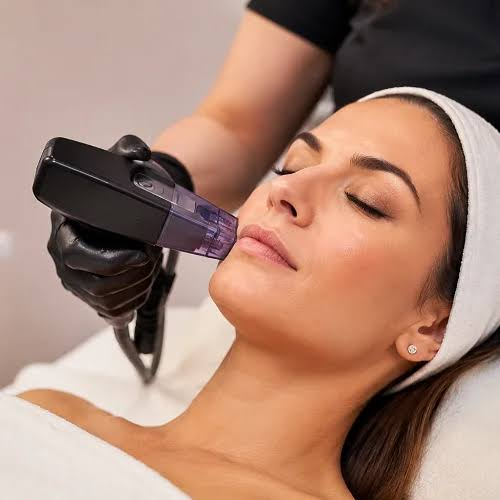

HydraFacial is a non-invasive facial treatment that combines cleansing, exfoliation, pore cleansing, and hydration to improve the appearance of the skin. Many people choose it for a fresher complexion without extensive recovery time. For individuals exploring هايدرافيشال في دبي, understanding this treatment's benefits can help them decide whether it suits their skincare goals. The results depend on skin type, sensitivity, existing concerns, and the products used during the session.
Understanding HydraFacial Treatment
HydraFacial uses a specialized device to cleanse the skin, remove superficial dead cells, help clear pore debris, and apply moisturizing solutions. The treatment is designed to address several surface-level concerns in one session while supporting skin hydration. Its steps can be adjusted according to individual needs, although it is not a replacement for medical treatment when a skin condition requires diagnosis or targeted care.
The Main Benefits of a HydraFacial Treatment
HydraFacial offers several potential cosmetic benefits, particularly for people concerned about dullness, dryness, mild congestion, and uneven surface texture. The extent of improvement varies, and not every benefit will apply equally to every skin type.
Deep Cleansing and Surface Impurity Removal
HydraFacial helps remove surface oil, makeup residue, and dead skin cells that can contribute to a dull-looking complexion. The cleansing stage prepares the skin for exfoliation and subsequent hydration, leaving it feeling cleaner and smoother. Although it can help with superficial buildup, it does not guarantee the removal of every clogged pore or replace regular cleansing at home.
Gentle Exfoliation for Smoother Skin
Dead skin cells naturally accumulate on the outer layer of the skin before shedding. When buildup becomes noticeable, the complexion may feel rough or look uneven. HydraFacial uses controlled exfoliation to loosen some of these cells, helping improve surface smoothness without the more noticeable peeling associated with certain stronger treatments. The intensity should still be suitable for the person's skin condition to reduce irritation.
Improved Hydration and Skin Comfort
Dehydrated skin may feel tight, look dull, or show fine surface lines more clearly. HydraFacial incorporates moisturizing solutions that help the skin feel softer and more supple after treatment. This benefit is especially relevant for people whose complexion looks tired because of dryness. Hydration effects are temporary, so regular moisturizing and a suitable skincare routine remain important between sessions.
A Brighter and Fresher-Looking Complexion
Surface buildup and dehydration can affect how evenly light reflects from the skin. By combining cleansing, exfoliation, and hydration, HydraFacial may help the complexion look fresher and more radiant. This improvement relates mainly to the skin's surface appearance rather than a change in natural skin colour. Persistent pigmentation or melasma may require a separate assessment and targeted treatment.
Support for Congested Pores
Oil, dead cells, and debris can accumulate around pore openings and contribute to blackheads or visible congestion. HydraFacial may help loosen and remove some superficial material through its cleansing and extraction steps. It does not permanently shrink pores or stop oil production, and persistent acne or deeper congestion may need a different treatment plan.
Softer Appearance of Fine Lines
Fine lines can appear more noticeable when the skin is dehydrated or rough. By improving hydration and smoothing the outer skin layer, HydraFacial may temporarily soften the appearance of some fine surface lines. It does not provide the same effect as treatments designed to address deeper wrinkles, substantial skin laxity, or significant collagen loss.
Minimal Downtime for Everyday Routines
HydraFacial generally involves little recovery time compared with more intensive resurfacing procedures. Many people return to their usual activities soon after treatment, although temporary redness or sensitivity can occur. The recovery experience depends on the products used, the treatment intensity, and individual skin sensitivity, so aftercare instructions should always be followed.
Who May Benefit From HydraFacial?
HydraFacial may be suitable for people who want to improve mild dullness, dehydration, rough texture, or superficial pore congestion. A consultation helps determine whether the treatment matches the person's skin concerns and whether any adjustments are needed.
People who may consider the treatment include those experiencing:
-
Dry or dehydrated skin
-
A dull or tired-looking complexion
-
Mild surface roughness
-
Superficial pore congestion
-
Fine lines that become more noticeable with dryness
-
A desire for temporary improvement in skin smoothness and radiance
People with active skin infections, open wounds, severe inflammation, or certain skin conditions may need to postpone treatment. Anyone with sensitive skin or a history of allergic reactions should discuss the products and ingredients before proceeding.
What to Expect During a HydraFacial Session
A HydraFacial session usually begins with a skin assessment and a discussion of the person's concerns. The practitioner selects appropriate products and treatment steps before cleansing and exfoliating the skin, helping remove superficial pore debris, and applying hydrating solutions. The procedure is generally comfortable, but sensations can vary depending on skin sensitivity and the products used. The practitioner should explain the expected response and provide suitable aftercare advice.
Signs You Should Pay Attention To
Certain symptoms and skin conditions should be assessed before undergoing a facial treatment because exfoliation or topical products may aggravate existing problems. Recognizing these signs helps reduce the risk of unnecessary irritation and ensures that medical concerns are not overlooked.
-
Persistent redness or burning: These symptoms may indicate irritation or an underlying skin condition.
-
Active skin infection: Cold sores or other infections in the treatment area should be assessed before treatment.
-
Open wounds or sunburn: Damaged skin may require time to recover before exfoliation.
-
Painful or inflamed acne: More intensive cleansing or extraction may worsen irritation in some cases.
-
Unexplained skin reactions: A history of allergies or sensitivity to skincare ingredients should be discussed with the practitioner.
-
Changing pigmented marks: A spot that changes in size, colour, or shape should be medically assessed rather than treated as a cosmetic concern.
After treatment, mild temporary redness may occur, but severe pain, blistering, increasing swelling, or worsening symptoms should be evaluated by a healthcare professional.
Checkpoint: Choosing a Trustworthy HydraFacial Provider
Selecting a provider involves more than comparing treatment descriptions. A reliable clinic should assess the skin, explain realistic outcomes, disclose the products being used, and discuss potential risks before starting the procedure.
Before booking, consider these points:
-
Professional qualifications: Check that the practitioner has appropriate training and authorization.
-
Personalized assessment: The consultation should cover skin type, medical history, sensitivities, and treatment goals.
-
Product transparency: Ask about ingredients if you have allergies or a history of reactions.
-
Hygiene practices: Equipment and treatment areas should be handled using appropriate infection-control procedures.
-
Clear explanations: The provider should discuss limitations, possible side effects, and suitable alternatives.
-
Individual aftercare: Instructions should reflect your skin's needs and response to treatment.
These checks help you make an informed decision and avoid relying on promises of guaranteed results.
Dynamic Life Clinic as an Option for HydraFacial
Dynamic Life Clinic is one option people in Dubai may consider when comparing professional facial treatments. When assessing a provider, look at the quality of the consultation, the experience of the treating professional, hygiene standards, and whether the recommended approach reflects your skin's condition. A suitable treatment plan should explain what HydraFacial may improve, what it cannot address, and whether another option would be more appropriate.
Maintaining Results With Home Skincare
A consistent home routine helps support the skin's hydration and comfort after a professional facial. Gentle cleansing, regular moisturizing, and daily sun protection can help maintain a smoother-looking complexion while reducing irritation from environmental exposure.
-
Cleanse with a gentle product suited to your skin type.
-
Apply moisturizer regularly to help maintain the skin barrier.
-
Use broad-spectrum sunscreen with SPF 30 or higher.
-
Avoid combining multiple strong exfoliating products without professional advice.
-
Introduce active ingredients gradually to monitor skin tolerance.
-
Follow the practitioner's guidance about when to resume retinoids or exfoliating acids.
People with persistent acne, pigmentation, or irritation may need a targeted skincare plan rather than relying on facials alone.
Frequently Asked Questions
HydraFacial benefits and results vary according to skin type, sensitivity, and the concerns being treated. These answers explain what the procedure may offer and where its limitations lie.
Can HydraFacial improve the skin after one session?
Many people notice a smoother, fresher appearance after one session because the treatment combines cleansing, exfoliation, and hydration. The effect varies and may be temporary, particularly if dryness or dullness returns.
Is HydraFacial suitable for sensitive skin?
Some people with sensitive skin may tolerate a carefully adjusted treatment, but suitability depends on the cause and severity of sensitivity. Active inflammation, allergies, or a weakened skin barrier should be discussed before treatment.
Does HydraFacial remove blackheads?
It may help loosen and remove some superficial pore debris and blackheads. Persistent or severe congestion may require a targeted treatment, and aggressive extraction can irritate the skin.
How often should HydraFacial be performed?
There is no universal schedule for everyone. The appropriate interval depends on skin condition, treatment goals, products used, and individual response. A qualified practitioner can recommend a suitable plan.
Can HydraFacial treat pigmentation and acne scars?
HydraFacial may improve surface smoothness and radiance, but it is not a definitive treatment for deeper pigmentation or established acne scars. These concerns may need a separate assessment and a more targeted treatment strategy.
Conclusion
HydraFacial combines cleansing, superficial exfoliation, pore cleansing, and hydration to improve the appearance of dullness, mild congestion, rough texture, and dehydration-related fine lines. Its main appeal is the ability to address several surface-level concerns in one session with generally minimal downtime. Results vary, and the treatment does not replace medical care for persistent acne, deeper pigmentation, or other skin conditions. A professional assessment, suitable products, consistent home skincare, and daily sun protection can help support a healthy-looking complexion.

