


Tummy Tuck Surgery and Its Role in Correcting a Hanging Belly
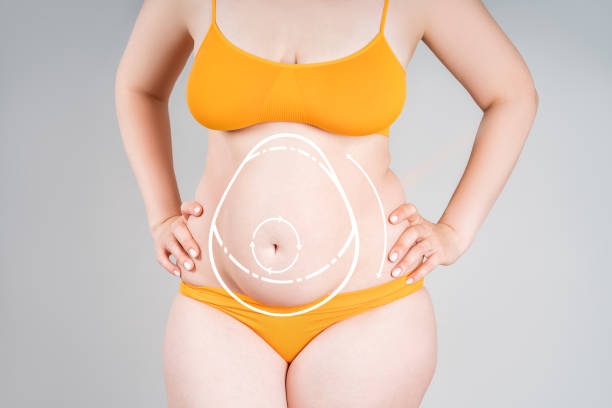
A hanging belly can develop when excess skin and tissue accumulate around the lower abdomen, often following pregnancy, significant weight loss, or natural ageing. This change may affect clothing comfort, body proportions, and confidence, even when someone follows a healthy lifestyle. Tummy tuck surgery in Riyadh (عملية شد البطن في الرياض) is a cosmetic procedure designed to remove excess abdominal skin and improve the shape of the midsection. Understanding how the procedure works, who may benefit, and what recovery involves can help you decide whether it suits your personal goals.
What Is a Hanging Belly?
A hanging belly occurs when loose abdominal skin, sometimes combined with underlying fatty tissue, hangs over the lower abdomen. In more pronounced cases, the fold may extend over the pubic area. This can happen when the skin stretches significantly and does not fully contract after changes in body size. The degree of hanging skin varies according to genetics, age, skin elasticity, and weight history. Although exercise can strengthen abdominal muscles, it cannot remove large amounts of excess skin.
Common Causes of a Hanging Belly
Pregnancy is a common reason for changes in abdominal skin because the skin and supporting tissues stretch as the abdomen expands. Significant weight loss can also leave loose skin behind, particularly after the body has been at a higher weight for an extended period. Ageing gradually affects collagen and elastin, reducing the skin's ability to maintain firmness. Genetics and individual body composition can further influence abdominal shape. Understanding the underlying cause helps determine which treatment options may be appropriate.
Understanding Tummy Tuck Surgery
Tummy tuck surgery, medically known as abdominoplasty, is a surgical procedure that removes excess abdominal skin to improve the appearance of the midsection. Depending on the patient's anatomy, it may also involve tightening weakened or separated abdominal muscles. The procedure is designed to refine body contours rather than provide significant weight loss. Before recommending surgery, a qualified plastic surgeon assesses the amount of loose skin, muscle condition, medical history, and desired outcome.
How Does a Tummy Tuck Correct a Hanging Belly?
During surgery, the surgeon removes a planned amount of excess skin and repositions the remaining skin to create a smoother abdominal contour. If abdominal muscles have separated, muscle repair may be included when appropriate. This can reduce the appearance of hanging skin and folds around the lower abdomen. The surgical technique depends on the extent of the excess skin and the individual's needs. Although the procedure can improve abdominal contours, it involves incisions and permanent scars, and results vary from person to person.
Who May Be a Suitable Candidate?
People with persistent loose abdominal skin after pregnancy or significant weight loss may consider a professional consultation. Suitable candidates are generally in good overall health, have a stable weight, and understand the potential benefits and limitations of surgery. Those planning future pregnancies or substantial weight changes should discuss the timing with their surgeon because these factors may affect the results. A detailed medical assessment helps determine whether a tummy tuck is appropriate and identifies factors that may increase surgical risks.
Types of Tummy Tuck Procedures
Full Tummy Tuck
A full tummy tuck may be suitable when excess skin affects a larger area of the abdomen. It can address loose skin above and below the belly button and may include muscle tightening when needed.
Mini Tummy Tuck
A mini tummy tuck may suit individuals with a smaller amount of loose skin concentrated below the belly button. It involves a more limited surgical approach and may not be appropriate for extensive hanging skin.
Extended Tummy Tuck
An extended tummy tuck may be considered when excess skin extends beyond the abdomen toward the sides of the waist. The surgeon evaluates the affected area and recommends a technique based on the patient's anatomy and goals.
Benefits and Limitations
Tummy tuck surgery can reduce hanging abdominal skin, improve body contours, and create a firmer-looking midsection. Some patients find that clothing fits more comfortably after recovery. Muscle tightening, when appropriate, may also improve abdominal firmness. However, the procedure is not a substitute for weight management and does not eliminate all stretch marks or guarantee a perfectly flat stomach. Visible scarring is expected, and future pregnancy, ageing, or significant weight changes may alter the results.
Preparing for Surgery
Preparation begins with a consultation to review your medical history, medications, allergies, and previous operations. Your surgeon may provide instructions about smoking cessation, medication adjustments, and other preoperative steps. It is helpful to arrange support at home during the early recovery period. Before deciding on surgery, discuss potential complications, incision placement, activity restrictions, and realistic expectations to ensure you understand the procedure.
Recovery and Aftercare
Recovery depends on the extent of surgery and individual healing. Swelling, bruising, tightness, and temporary discomfort are common during the initial period. Patients may need a compression garment and specific instructions for wound care and movement. Gentle walking is often encouraged when medically appropriate, while heavy lifting and strenuous exercise should be avoided until cleared by the surgeon. Attend follow-up appointments and seek prompt medical attention for fever, worsening pain, or unusual wound discharge. Chest pain or difficulty breathing requires emergency medical care.
Book a Consultation at Royal Clinic Saudi
If a hanging belly affects your comfort or confidence, Royal Clinic Saudi (عيادات رويال كلينك) can be a starting point for exploring suitable cosmetic options. Book a consultation to discuss your concerns, understand whether tummy tuck surgery may be appropriate, and learn about the procedure and recovery requirements. A personalised assessment can help you make an informed decision based on your health and aesthetic goals.
FAQs:
1. Can tummy tuck surgery correct a hanging belly?
Yes, it removes excess skin to improve the abdominal contour.
2. Does a hanging belly always require surgery?
No, treatment depends on the amount of excess skin and individual needs.
3. Can exercise remove hanging abdominal skin?
Exercise strengthens muscles but cannot remove substantial loose skin.
4. Can the results last for years?
Yes, results can last for years with a stable weight and healthy habits.
Categories
- Artificial Intelligence (AI)
- Technology
- Business
- Education
- Science
- Lifestyle
- Healthcare
- Entertainment
- Politics
- Environment
- Travel
- Finance
- Automobile
- News
- Art
- Causes
- Crafts
- career
- Dance
- Drinks
- Film
- Fitness
- Food
- Games
- Gardening
- Health
- Home
- Literature
- Music
- Networking
- Other
- Party
- Religion
- Shopping
- Sports
- Theater
- Wellness
Read More
تُعتبر مشكلة تساقط الشعر وفقدان كثافته من أكثر التحديات الجمالية والصحية التي تؤرق الرجال والنساء على حدٍ سواء في عصرنا الحالي. ومع التطور المتسارع في مجالات الطب التجميلي والعلاج الخلوي، أصبحت تقنية البلازما الغنية بالصفائح الدموية (PRP) الخيار الطبيعي والآمن الأكثر إقبالاً لتجديد بصيلات الشعر وتنشيط نموها. يتطلع آلاف الأشخاص سنوياً إلى خوض تجربة حقن البلازما للشعر في دبي للوصول إلى نتائج...
The Inhalation Preparation Market is experiencing steady development as pharmaceutical manufacturers and healthcare providers increasingly emphasize efficient respiratory drug delivery. According to current market data, the industry is expected to grow from USD 43.5 billion in 2025 to USD 60 billion by 2035 at a CAGR of around 3.2%. Technological advancements, increasing respiratory disease...

The Global Delivery Robot Market is gaining momentum as businesses increasingly adopt automation to improve last-mile delivery, reduce operational costs, and address labor shortages. Delivery robots are autonomous or semi-autonomous machines designed to transport food, groceries, parcels, medicines, and other goods over short distances. Growing e-commerce activity, on-demand delivery...
The landscape of pharmaceutical advertising is undergoing a seismic shift, with the Big Data Pharmaceutical Advertising Market Share projected to expand significantly. By 2035, this sector is expected to flourish, with a market size reaching USD 3.177 billion, up from USD 0.4 billion in 2024. This remarkable rise reflects a compound annual growth rate (CAGR) of 22.23%, underscoring...
The High Purity Gases Market was valued at US$ 36.3 Billion in 2025 and is projected to reach US$ 60.5 Billion by 2033, registering a CAGR of 6.59% during 2026–2033. This balanced analysis version interprets the verified BMI outlook for strategic and commercial decision-making. What is driving the market? Demand is supported by industrial expansion, application-specific performance,...
