

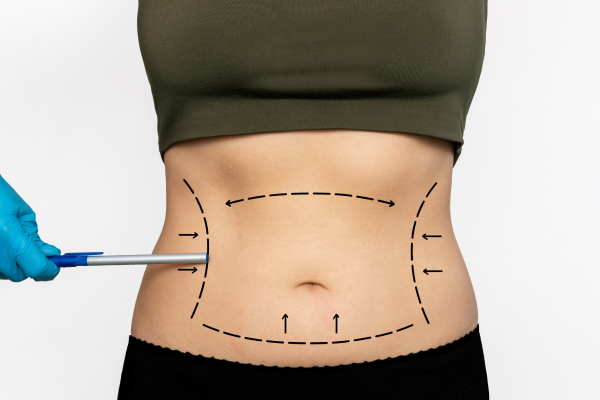

Liposuction is a cosmetic surgical procedure that removes localised fat deposits to improve body shape and proportions. It is suitable for both men and women when their health, anatomy, and treatment goals make surgery appropriate. For people exploring Liposuction in Dubai, understanding how the procedure can address different body-contouring concerns helps them make an informed decision. Although the treatment can target several areas of the body, suitability depends on factors such as skin elasticity, weight stability, medical history, and realistic expectations rather than gender alone.
Liposuction for Men and Women
Men and women can both benefit from liposuction when stubborn fat deposits remain despite maintaining healthy habits. The procedure uses a thin suction tube, called a cannula, to remove fat beneath the skin and reshape selected areas. Treatment planning may differ according to individual anatomy and the contours a person wishes to achieve, but the basic surgical principle remains the same. Liposuction is not a weight-loss procedure or a substitute for a healthy lifestyle; it is intended to refine specific areas when other measures have not produced the desired contour.
Common Liposuction Areas for Women
Women may consider liposuction for localised fat around the abdomen, waist, hips, thighs, upper arms, back, or beneath the chin. Fat distribution varies between individuals, and hormonal changes, genetics, and ageing can influence where deposits develop. The procedure may help improve body proportions by reducing selected areas of excess fat. However, it does not reliably tighten significantly loose skin or remove cellulite. A surgeon should examine the skin and underlying tissue before recommending treatment to establish whether liposuction alone is likely to achieve the intended result.
Common Liposuction Areas for Men
Men may seek liposuction to address fat around the abdomen, flanks, chest, back, neck, or chin. Some want to reduce the appearance of love handles, while others hope to create a more defined waist or upper-body contour. In selected cases, liposuction may also be used to treat enlarged male breast tissue, although the underlying cause must first be assessed. If breast enlargement is caused partly by glandular tissue rather than fat, removing fat alone may not provide the desired result. A consultation helps identify the appropriate approach.
How Body Fat Distribution Influences Treatment
Fat distribution differs from person to person, regardless of gender. Genetics, hormones, age, and lifestyle can all affect where the body stores subcutaneous fat. Liposuction works on fat located beneath the skin and cannot remove visceral fat surrounding the internal organs. This distinction is especially important for people whose main concern is a prominent abdomen associated with deeper abdominal fat. The surgeon assesses the location and amount of removable fat before planning treatment, ensuring that the proposed procedure addresses the actual cause of the unwanted contour.
The Importance of Skin Elasticity
Skin elasticity plays an important role in the final appearance after liposuction. When the skin can contract well, it may adapt more effectively to the new body contour. If the skin is significantly loose or has lost elasticity, removing fat may leave sagging or uneven areas more noticeable. This can affect both men and women, particularly after substantial weight changes or with natural ageing. Depending on the examination, a surgeon may discuss skin-removal surgery or another option instead of relying on liposuction alone.
Who Is a Suitable Candidate?
A suitable candidate is generally an adult in good overall health who has localised fat deposits, a relatively stable weight, and realistic expectations. Good skin quality and the ability to follow postoperative instructions can also support recovery. Smoking, certain medical conditions, medications, and previous surgical complications may affect eligibility or increase risk. Neither men nor women should assume they are suitable based solely on their body shape. A qualified surgeon needs to review medical history, examine the proposed treatment areas, and explain whether the likely benefits justify the risks.
Differences in Treatment Planning
Although liposuction is available to both men and women, the treatment plan should be individualised. The surgeon considers the thickness and distribution of fat, skin characteristics, body proportions, and the patient's desired outcome. The number of areas treated and the amount of fat removed also influence the surgical plan and recovery requirements. There is no single technique or treatment pattern that works best for everyone. A careful assessment helps determine the appropriate approach while avoiding excessive fat removal that could result in irregular contours or other complications.
Liposuction Is Not a Weight-Loss Solution
Liposuction is designed to reshape selected areas rather than treat obesity or produce major overall weight reduction. People who are planning substantial weight loss may benefit from discussing the timing of surgery with their healthcare professional. Maintaining a relatively stable weight after treatment can help preserve the improved contour, although natural ageing and future weight changes may affect the result. Liposuction also does not replace exercise, balanced nutrition, or medical care for weight-related health conditions. Understanding these limitations helps patients develop realistic goals before proceeding.
Preparing for Liposuction Surgery
Preparation begins with a consultation and medical assessment. The surgeon reviews health conditions, allergies, medications, supplements, smoking or nicotine use, and previous operations. Patients should disclose all relevant information and follow instructions about medication changes, eating and drinking before anaesthesia, and activity restrictions. They should never stop prescribed medication without professional guidance. Planning time away from work and arranging help during the initial recovery period can also make the process more manageable. These preparations apply to men and women alike.
Recovery and Expected Results
After liposuction, swelling, bruising, tenderness, and temporary changes in sensation are common. A compression garment may be recommended to support the treated area during recovery, and strenuous activity may need to be limited for a period specified by the surgeon. Recovery varies according to the areas treated, the extent of surgery, and the individual's health. Initial changes may be visible relatively early, but swelling can take weeks or months to settle fully. The final contour should be assessed after sufficient healing rather than immediately after the procedure.
Safety Considerations for Both Genders
Liposuction is surgery and carries potential risks, including bleeding, infection, fluid accumulation, contour irregularities, changes in sensation, blood clots, and complications related to anaesthesia. The level of risk depends on the patient's health, the amount of fat removed, the number of areas treated, and whether other procedures are performed at the same time. Choosing a properly qualified surgeon and an appropriately equipped facility is essential. Patients should understand the possible complications, follow aftercare instructions, and know whom to contact if unexpected symptoms develop.
Choosing a Liposuction Provider in Dubai
People considering liposuction in Dubai should compare providers based on surgical qualifications, relevant experience, facility standards, and the quality of the consultation. Dynamic Life Clinic is one option to consider when researching cosmetic surgery services. Before making a decision, patients should confirm who will perform the procedure, what technique is proposed, how recovery will be managed, and what follow-up care is available. A responsible provider should explain both the potential benefits and the limitations of surgery and tailor recommendations to the individual's anatomy and health.
Frequently Asked Questions
Is liposuction equally suitable for men and women?
Liposuction can be suitable for both men and women. Eligibility depends on health, fat distribution, skin elasticity, and treatment goals rather than gender alone. A personal assessment is needed to determine whether surgery is appropriate.
Can men have liposuction on the chest?
Yes, selected men may benefit from chest liposuction when excess fat contributes to the appearance of enlarged breasts. If glandular tissue or another medical cause is involved, additional assessment and a different treatment approach may be necessary.
Can women have liposuction after pregnancy?
Some women consider liposuction after pregnancy when their weight has stabilised and localised fat remains. Timing should be discussed with a qualified surgeon, particularly if breastfeeding, further pregnancies, or loose abdominal skin are relevant considerations.
Does liposuction permanently remove fat?
Liposuction removes fat cells from the treated area, but remaining fat cells can enlarge with weight gain. Maintaining a stable weight can help preserve the result, although changes in the body may still occur over time.
Is liposuction suitable for someone with loose skin?
Liposuction alone may not be appropriate when significant loose skin is the main concern. Removing fat can make sagging more noticeable, so a surgeon may discuss skin-removal procedures or other alternatives after examining the area.
Conclusion
Liposuction surgery can be suitable for both men and women who want to improve specific body contours by reducing localised fat deposits. The most important considerations are overall health, stable weight, skin elasticity, the location of fat, and realistic expectations. While treatment plans may differ according to individual anatomy and goals, neither gender has an automatic advantage in eligibility. A consultation with a qualified surgeon helps establish whether liposuction is appropriate, what changes may be achievable, and how to approach the procedure safely.

