


What Does a Positive Thyroglobulin Antibodies Test Indicate?
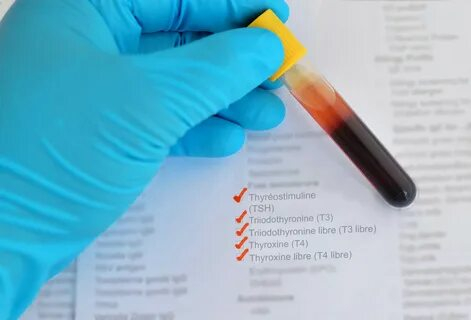
A positive thyroglobulin antibodies test can raise questions about your thyroid health, particularly if you have been experiencing fatigue, unexplained weight changes, or other symptoms associated with thyroid disorders. You may wonder whether the result means you have Hashimoto’s thyroiditis, an underactive thyroid, or another medical condition.
The Anti-Thyroglobulin Antibodies Test in Dubai, commonly called the TgAb test or anti-thyroglobulin antibody test, measures antibodies produced by the immune system against thyroglobulin, a protein made by the thyroid gland. These antibodies can provide useful information when investigating autoimmune thyroid disease and interpreting certain thyroid-related laboratory results.
A positive TgAb result indicates that thyroglobulin antibodies have been detected above the laboratory's reporting threshold. It may suggest thyroid autoimmunity, but it does not automatically confirm a thyroid disorder or mean that treatment is necessary.
Understanding the result requires looking beyond the antibody number. Your thyroid hormone levels, symptoms, medical history, and other test findings all help determine its significance.
What Is Your Body Telling You When TgAb Is Positive?
The thyroid gland produces hormones that help regulate metabolism, body temperature, heart rate, and other important functions. To make these hormones, it uses thyroglobulin, a protein involved in producing thyroxine (T4) and triiodothyronine (T3).
Sometimes, the immune system mistakenly recognizes thyroglobulin as a target and produces antibodies against it. These antibodies are called thyroglobulin antibodies, or TgAb.
When a blood test detects TgAb, it provides evidence of an immune response directed against a thyroid-related protein. This finding can be associated with autoimmune thyroid conditions, but the test does not directly measure thyroid hormone production or establish how well the gland is functioning.
A positive result may occur in several situations:
-
Autoimmune thyroid disease, including Hashimoto’s thyroiditis.
-
Graves’ disease and certain other thyroid conditions.
-
People with detectable thyroid antibodies but normal thyroid hormone levels.
-
Selected thyroid cancer follow-up situations in which TgAb affects the interpretation of thyroglobulin measurements.
The result is therefore a clinical clue, not a diagnosis by itself.
Four Possible Explanations for a Positive TgAb Result:
A positive result can have different meanings depending on the person's health and the reason the test was ordered.
1. Hashimoto’s Thyroiditis May Be Present
Hashimoto’s thyroiditis is an autoimmune condition in which the immune system attacks thyroid tissue. Over time, this may damage the gland and reduce its ability to produce enough thyroid hormones, leading to hypothyroidism.
TgAb can be detected in people with Hashimoto’s and may support the diagnostic assessment. However, thyroid peroxidase antibodies (TPOAb) are also commonly measured because they are an important marker of autoimmune thyroid disease.
Doctors typically consider antibody results alongside TSH, free T4, symptoms, and medical history before determining whether Hashimoto’s thyroiditis is likely.
2. You May Have Thyroid Autoimmunity Without Hypothyroidism
A positive TgAb result does not necessarily mean your thyroid is underactive.
Some people have detectable thyroid antibodies while their TSH and free T4 remain within their laboratory reference intervals. In this situation, the result may indicate thyroid autoimmunity without current thyroid hormone dysfunction.
Your healthcare provider may recommend periodic thyroid function monitoring, depending on your clinical circumstances and risk factors. Medication is not automatically required simply because antibodies are present.
3. Another Autoimmune Thyroid Condition May Be Involved
TgAb can also occur in some people with Graves’ disease, an autoimmune condition commonly associated with an overactive thyroid.
However, TgAb is not the preferred standalone test for diagnosing Graves’ disease. When Graves’ is suspected, doctors may use thyroid-stimulating hormone receptor antibodies (TRAb) or thyroid-stimulating immunoglobulins (TSI), alongside thyroid function tests and clinical findings.
A positive TgAb result alone cannot distinguish reliably between Hashimoto’s thyroiditis, Graves’ disease, and other causes of thyroid abnormalities.
4. The Finding May Need Monitoring Rather Than Immediate Treatment
Sometimes, a positive antibody result is discovered during routine blood testing or an investigation that does not ultimately reveal significant thyroid dysfunction.
If your thyroid hormone levels are normal and you have no relevant symptoms, your doctor may recommend observation rather than treatment. The appropriate plan depends on your overall health, pregnancy considerations when relevant, and other risk factors.
The key is to understand why the test was ordered and what other results show before drawing conclusions.
How to Interpret a Positive TgAb Result With TSH and Free T4?
Thyroid antibody tests and thyroid function tests provide different types of information. TgAb detects antibodies against thyroglobulin, while TSH and free T4 help assess thyroid function.
The combination of these results often provides a clearer clinical picture.
| TgAb result | TSH and free T4 pattern | Possible interpretation |
|---|---|---|
| Positive | Both within reference intervals | Possible thyroid autoimmunity without current thyroid hormone dysfunction |
| Positive | High TSH and low free T4 | May support autoimmune hypothyroidism when other findings are consistent |
| Positive | Low TSH with elevated free T4 | May indicate hyperthyroidism or another cause of thyroid hormone excess requiring evaluation |
| Positive | Abnormal TSH with normal free T4 | May represent a milder or early thyroid function abnormality, depending on the pattern |
These patterns are examples, not diagnostic rules. Results must be interpreted using the laboratory's reference intervals and the patient's medical history.
For instance, elevated TgAb with a high TSH and low free T4 may support Hashimoto’s-related hypothyroidism. In contrast, positive TgAb with normal thyroid function does not automatically establish a need for medication.
Your clinician may also consider TPO antibodies, physical examination findings, and other investigations when appropriate.
Does a High TgAb Level Mean Your Thyroid Disease Is Severe?
Not necessarily. The concentration of thyroglobulin antibodies does not directly measure thyroid hormone production or reliably determine the severity of thyroid disease.
Two people with similar TgAb levels may have very different thyroid function results. One person may have normal TSH and free T4, while another may have hypothyroidism requiring treatment.
It is also important to use the reference interval provided by the laboratory that performed the test. Different testing methods can produce different numerical results and reporting thresholds, so a value from one laboratory may not be directly comparable with a value from another.
Rather than focusing only on whether the antibody number is high, ask your healthcare provider:
-
Are my TSH and free T4 levels normal?
-
Does the overall pattern suggest an autoimmune thyroid condition?
-
Do my symptoms support further investigation?
-
Do I need follow-up testing or treatment?
These questions are more useful for understanding the result than interpreting the antibody number in isolation.
Can a Positive TgAb Result Explain Your Symptoms?
A positive thyroglobulin antibodies result may be relevant if you have symptoms associated with thyroid dysfunction, but antibodies themselves do not establish the cause of those symptoms.
Possible symptoms of hypothyroidism include persistent fatigue, constipation, cold intolerance, dry skin, and unexplained weight gain. Hyperthyroidism may be associated with heat intolerance, a racing heartbeat, tremors, anxiety, and unintended weight loss.
However, these symptoms can also occur for many reasons unrelated to the thyroid.
If you have symptoms and positive TgAb, your healthcare provider may evaluate TSH and free T4 to determine whether your thyroid hormone levels are abnormal. Other tests or examinations may be appropriate depending on your presentation.
Do not assume that every symptom is caused by thyroid autoimmunity or start thyroid medication based solely on a positive antibody test.
A Special Consideration: Positive TgAb During Thyroid Cancer Follow-Up
The thyroglobulin antibodies test can have a different purpose for people previously treated for differentiated thyroid cancer.
During follow-up, clinicians may measure thyroglobulin as one part of monitoring. TgAb can interfere with certain laboratory methods used to measure thyroglobulin, potentially making those measurements less reliable.
For this reason, doctors may measure TgAb alongside thyroglobulin and interpret both results in the context of previous treatment, imaging, and other clinical findings.
A positive TgAb result does not independently mean that thyroid cancer is present or has returned. The test is not a general screening tool for thyroid cancer, and its significance during follow-up depends on the individual treatment and monitoring plan.
If you have a history of thyroid cancer, discuss the result with your specialist rather than interpreting it using general thyroid antibody guidance alone.
What Should You Do After a Positive Result?
A positive TgAb test does not automatically require urgent action. Your next steps should depend on your symptoms, thyroid function, and reason for testing.
Start by reviewing the complete report. Check the laboratory's reference interval and whether the result is reported as positive or elevated.
Discuss thyroid function testing. Your clinician may review TSH and free T4 and consider TPO antibodies or other investigations if they are relevant.
Share your medical history. Previous thyroid diagnoses, medications, supplements, family history, and earlier test results may help explain the finding.
Follow an appropriate monitoring plan. If your thyroid function is normal, your doctor may recommend periodic testing rather than immediate treatment. If thyroid dysfunction is confirmed, management will depend on the specific diagnosis.
Repeated TgAb testing is not routinely necessary for everyone. In many cases, TSH and free T4 are more useful for monitoring thyroid function and guiding treatment decisions.
Seek urgent medical care for severe symptoms such as chest pain, fainting, or significant difficulty breathing rather than assuming they are caused by thyroid antibodies.
Frequently Asked Questions:
Is a positive thyroglobulin antibodies test dangerous?
Not necessarily. A positive result can indicate thyroid autoimmunity, but its significance depends on thyroid function, symptoms, and medical history. It does not automatically indicate severe disease.
Does a positive TgAb result mean I have Hashimoto’s disease?
No. TgAb may support the diagnosis, but Hashimoto’s thyroiditis is assessed using a combination of symptoms, antibody tests, thyroid function results, and other clinical findings.
Can TgAb be positive when TSH is normal?
Yes. Thyroid antibodies can be present even when TSH and free T4 are within their reference intervals. Your clinician can advise whether monitoring is appropriate.
Do positive thyroglobulin antibodies need treatment?
Antibodies themselves do not automatically require treatment. Management depends on whether a thyroid condition is diagnosed and whether thyroid hormone production is affected.
Should I repeat the TgAb test?
Not everyone needs repeat antibody testing. Your doctor can decide whether repeating TgAb, monitoring thyroid function, or performing other investigations would provide useful information.
Conclusion: Understanding What a Positive TgAb Test Really Means
A positive thyroglobulin antibodies Lab tests indicates that antibodies against thyroglobulin have been detected above the laboratory's reporting threshold. This may provide evidence of thyroid autoimmunity and can support the investigation of Hashimoto’s thyroiditis or other thyroid conditions.
However, the result does not independently diagnose thyroid disease, establish its severity, or determine whether medication is necessary. A positive TgAb result with normal thyroid function may require monitoring, while abnormal TSH and free T4 results may indicate a need for further assessment or treatment.
The most reliable interpretation combines your TgAb result with thyroid function tests, symptoms, medical history, and other relevant findings. Discuss the complete report with a qualified healthcare professional to determine what it means for your individual thyroid health.
Categories
- Artificial Intelligence (AI)
- Technology
- Business
- Education
- Science
- Lifestyle
- Healthcare
- Entertainment
- Politics
- Environment
- Travel
- Finance
- Automobile
- News
- Art
- Causes
- Crafts
- career
- Dance
- Drinks
- Film
- Fitness
- Food
- Games
- Gardening
- Health
- Home
- Literature
- Music
- Networking
- Other
- Party
- Religion
- Shopping
- Sports
- Theater
- Wellness
Read More
The Web Content Management Market was valued at US$ 9,630.4 Million in 2024 and is projected to reach US$ 33,318.9 Million by 2031, registering a CAGR of 19.40% during 2025–2031. The market connects content operations with digital experience, governance, analytics, and omnichannel delivery. What is driving the market? Digital transformation, omnichannel engagement, personalization, cloud...

Social media feeds are flooded with dramatic before-and-after transformations, celebrity endorsements, and promises of instant body restoration after childbirth. Mommy Makeover in Riyadh While these stories can be inspiring, they often blur the line between marketing and medical reality. For women considering body contouring surgery, understanding what a Mommy Makeover in...

The Electronics Packaging Market is covered by Business Market Insights with 2025 as the base year and 2026–2033 as the forecast period. The Electronics Packaging Market size was valued at US$ 2.51 Trillion in 2025 and is projected to reach US$ 4.85 Trillion by 2033, growing at a CAGR of 8.58% during 2026–2033. Market growth is best understood as the interaction between customer...
Regional dynamics shape the Urology Laser Fibers Market significantly. North America dominates with a 44.1% market share in 2024, valued at USD 750 million and projected to reach USD 1,500 million by 2035. Advanced healthcare infrastructure, high technology adoption rates, and favorable reimbursement policies sustain this leadership position. Europe follows as the second-largest market,...
The DNA Methylation Market is expected to create new opportunities as epigenetic research becomes increasingly integrated into diagnostics, drug development, and personalized healthcare. The growing understanding of how methylation influences gene activity is encouraging researchers to investigate its potential across a wide range of medical applications. Cancer diagnostics remain one of the...
