

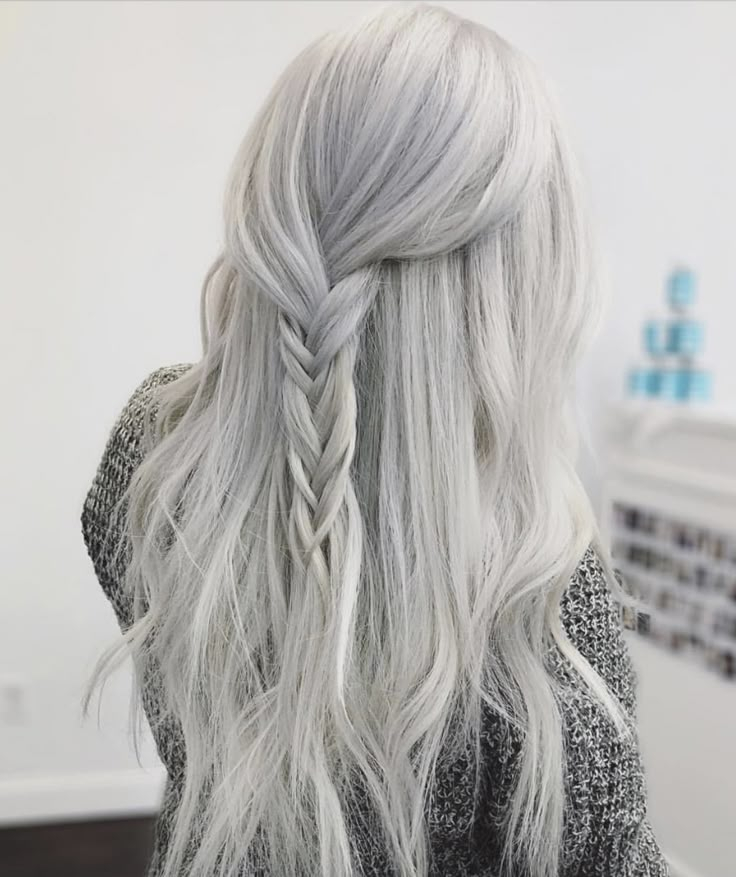

Hair extensions have become a popular styling choice for people who want to achieve longer, fuller, and more versatile hairstyles. Among the available options, weft hair extensions are widely used because they consist of multiple hair strands attached to a continuous track. This construction allows the extensions to be installed using different methods, depending on the product type and the wearer's natural hair.
People choose weft extensions for everyday styling, special occasions, and noticeable hair transformations. They are available in various lengths, colors, textures, and materials, making it easier to find a suitable match for different preferences. Understanding their construction, installation requirements, and maintenance needs can help customers make informed decisions when exploring belbonita hair extensions and other hair extension options.
What Makes Weft Extensions Different
Weft extensions are created by securing strands of hair along a connected base. Unlike individual strand extensions, which attach smaller sections of hair separately, wefts provide a continuous section that can be positioned across the head. The installation method depends on the type of weft and the recommendations of a professional stylist.
The quality of the track is important because it helps keep the strands together during handling and styling. A well-constructed weft should have an even appearance and a secure base. Customers should examine the product description to understand how the weft is manufactured and which installation techniques are appropriate for its construction.
Exploring Different Types of Weft Hair Extensions
There are several types of weft hair extensions, including hand-tied and machine-tied varieties. Hand-tied wefts are created by carefully tying hair strands into a relatively thin track. Their lightweight construction can help create a discreet finish when installed correctly. However, they require careful handling because cutting or folding them improperly may cause shedding or damage.
Machine-tied wefts are produced using specialized equipment that secures the strands along a track. Their construction may be more substantial, depending on the manufacturer and product design. Some machine-tied options can be adapted to different professional installation methods. Choosing between these types requires consideration of natural hair density, preferred styling results, and the stylist's experience.
Choosing the Right Hair Material
Weft extensions are commonly available in human hair and synthetic fibers. Human hair extensions generally provide greater styling flexibility because many can be washed and styled using techniques similar to those used for natural hair. However, their performance depends on the original hair quality, processing, and care instructions.
Synthetic extensions are manufactured from specialized fibers and are available in numerous colors and textures. Some retain their original shape effectively, while others may have limitations regarding heat styling. Customers should always check the manufacturer's recommendations before applying heated tools or styling products. Understanding the material helps determine which extensions will fit a particular routine and budget.
Selecting a Suitable Color and Texture
Color matching is an important part of creating a natural-looking hairstyle. Weft extensions are available in shades ranging from black and dark brown to lighter blondes and blended colors. Customers should compare the extension shade with their natural hair in daylight because indoor lighting can make colors appear different.
Texture is equally important when selecting belbonita hair extensions. Straight extensions may blend well with naturally straight hair, while wavy or curly options can complement textured hairstyles. Choosing a similar texture can reduce the need for excessive heat styling and help the extensions integrate more naturally with existing hair.
Customers should also consider their hair from the roots to the ends. Natural hair may contain several tones, especially when it has been colored previously. Selecting a blended shade or consulting a professional stylist can help achieve a more consistent appearance.
Understanding Weft Extension Installation
The installation process varies according to the weft design and attachment method. Sew-in extensions are commonly attached to carefully prepared braids, while certain other weft systems use beads or specialized attachment techniques. Each method requires appropriate preparation and placement to ensure that the extensions sit comfortably.
Professional installation is important because the weight of the wefts must be distributed appropriately. Extensions that are too heavy or attached too tightly can place excessive tension on natural hair and contribute to breakage or traction-related hair loss. A qualified stylist should assess hair density, scalp condition, and hair strength before recommending an installation method.
The stylist may also trim and blend the extensions after installation. This helps create a balanced shape that complements the natural haircut. Following the recommended maintenance schedule is important because natural hair growth can gradually change the position of the attachment points.
Caring for Weft Hair Extensions
Regular care helps maintain the appearance and manageability of extensions. Gentle brushing is recommended, beginning at the ends and gradually moving upward. Supporting the hair near attachment points can reduce pulling and unnecessary strain. A suitable extension brush may also help manage tangles without placing excessive pressure on the weft.
Washing should follow the product instructions and the stylist's recommendations. A gentle shampoo and an appropriate conditioner can help keep human hair extensions manageable. Avoid applying excessive amounts of heavy products near attachment points because buildup can affect the hair's texture and make maintenance more difficult.
After washing, extensions should be dried thoroughly according to the manufacturer's instructions. Excessive heat can contribute to dryness and damage, so moderate temperatures and suitable heat protection are recommended when styling human hair. Synthetic extensions may require different care procedures, making it important to check their specific requirements.
How Belbonita Hair Extensions Fit Your Styling Needs
Belbonita hair extensions are worth researching when comparing hair extension products and exploring different styling possibilities. Customers should examine the available product information, including hair material, color options, length, texture, construction, and installation recommendations. These details help determine whether a particular product is suitable for an individual's hair type and desired appearance.
Before purchasing, it is sensible to review the product description and care instructions carefully. Customers should confirm whether the extensions are made from human hair or synthetic fibers and whether they are compatible with the intended attachment method. Understanding these details helps establish realistic expectations about styling flexibility and maintenance.
It is also useful to consider the amount of hair needed for the desired result. Natural hair density, haircut, and preferred volume all influence how many wefts may be appropriate. A professional stylist can help determine a suitable arrangement and reduce the likelihood of selecting extensions that are too heavy for the natural hair.
Common Mistakes to Avoid When Using Wefts
One common mistake is selecting extensions based only on color or length without considering texture and density. Even when the shade matches, a noticeable difference in hair pattern can affect the final appearance. Comparing all these characteristics before purchasing can help achieve a more natural blend.
Another mistake is neglecting maintenance appointments. As natural hair grows, the wefts may shift, become loose, or place pressure on certain sections. Rough brushing, unsuitable products, and sleeping with wet hair can also increase tangling and maintenance difficulties. Following professional guidance helps keep the extensions manageable and reduces avoidable stress on natural hair.
Frequently Asked Questions
How long do weft hair extensions last?
Their lifespan depends on hair quality, construction, installation method, and daily care. Human hair wefts may remain usable for several months with suitable maintenance, although results vary. Follow the manufacturer's instructions and consult your stylist about the expected lifespan of your specific product.
Are weft hair extensions suitable for thin hair?
They may be suitable for some people with fine hair, but the weight and attachment method must be selected carefully. A professional stylist should assess natural hair strength and scalp condition before recommending extensions.
Can weft hair extensions be styled with heat?
Many human hair wefts can be styled with heated tools when appropriate temperature settings and heat protection are used. Synthetic products may have specific limitations, so always check the manufacturer's instructions before applying heat.
How often should weft extensions be maintained?
Maintenance depends on the installation technique, natural hair growth, and the stylist's recommendations. Regular professional appointments help identify loose attachments, tangling, and excessive tension before these issues become more serious.
How should I choose Belbonita hair extensions?
Review the available product details, including material, texture, color, length, and construction. Consider your natural hair condition and styling preferences, and consult a qualified stylist if you are unsure which type is appropriate.
Conclusion
Weft hair extensions provide a flexible option for people who want to explore longer and fuller hairstyles. Understanding the different weft types, selecting a suitable color and texture, and following proper installation and maintenance practices can support a natural-looking result. When researching belbonita hair extensions, customers should carefully review product specifications and choose options that suit their individual needs. With informed selection, professional guidance, and consistent care, weft extensions can become a practical addition to a personalized hair styling routine.

