


Lithium Carbonate Market Innovations Transform Battery Chemistry, Lithium Processing, and Clean Energy Storage Solutions
Lithium carbonate is expected to remain an important chemical in the development of rechargeable batteries, electric transportation, and stationary energy storage. Its role in battery cathode production connects the material to changes in vehicle technology, renewable electricity infrastructure, and consumer electronics. At the same time, established uses in glass, ceramics, lubricants, pharmaceuticals, and specialty chemicals provide additional sources of industrial demand.
The lithium carbonate market will be influenced by the pace of battery manufacturing expansion, changes in cathode chemistry, lithium extraction capacity, and the development of chemical refining infrastructure. Electric vehicles remain an important demand driver, while grid-scale storage and other stationary battery applications are creating additional opportunities. The contribution of each application will depend on technology adoption, project economics, and the availability of competing energy storage solutions.
Battery chemistry is an important factor in determining future consumption. Lithium iron phosphate batteries are widely used in selected electric vehicles and energy storage systems, while other lithium-ion chemistries serve applications with different performance requirements. Because lithium carbonate and lithium hydroxide are not interchangeable in every production process, changes in cathode composition and manufacturing methods can influence the mix of lithium chemicals required.
Supply-side developments will also shape industry performance. New mining projects, brine operations, conversion facilities, and refining plants require substantial investment and time to develop. Production costs vary by resource and technology, while permitting, infrastructure, environmental considerations, and local operating conditions can affect project timelines. If capacity grows faster than demand, prices may weaken; if supply expansion falls behind consumption, market conditions may tighten.
Innovation in lithium extraction and purification could improve recovery rates and production efficiency. Direct lithium extraction and other emerging technologies may offer advantages in certain resource settings, although commercial outcomes depend on technical performance and operating costs. Recycling may gradually provide an additional source of lithium-bearing materials as battery collection and processing infrastructure expands.
Sustainability will remain an important issue. Producers face scrutiny over water use, land impacts, energy consumption, waste management, and relationships with local communities. Responsible sourcing and transparent reporting can help companies address customer expectations and support project development. However, environmental performance varies by resource, production method, and location.
Regional supply-chain development is another likely influence on future growth. Governments and manufacturers are seeking more resilient access to critical battery materials, encouraging investment in domestic processing, battery production, and recycling. These efforts can diversify supply but also introduce challenges related to capital costs, permitting, and competitiveness.
Market participants will need to manage commodity price volatility while maintaining product quality and operational efficiency. Long-term customer agreements, diversified sourcing, improved process control, and flexible production planning can help reduce exposure to uncertainty.
Overall, the future of lithium carbonate will depend on the balance between electrification-driven demand, industrial applications, new production capacity, and technological progress. Suppliers that combine reliable output, competitive costs, consistent purity, and responsible resource management can strengthen their position as the global battery and lithium chemicals industries evolve.
Categories
- Artificial Intelligence (AI)
- Technology
- Business
- Education
- Science
- Lifestyle
- Healthcare
- Entertainment
- Politics
- Environment
- Travel
- Finance
- Automobile
- News
- Art
- Causes
- Crafts
- career
- Dance
- Drinks
- Film
- Fitness
- Food
- Games
- Gardening
- Health
- Home
- Literature
- Music
- Networking
- Other
- Party
- Religion
- Shopping
- Sports
- Theater
- Wellness
Read More
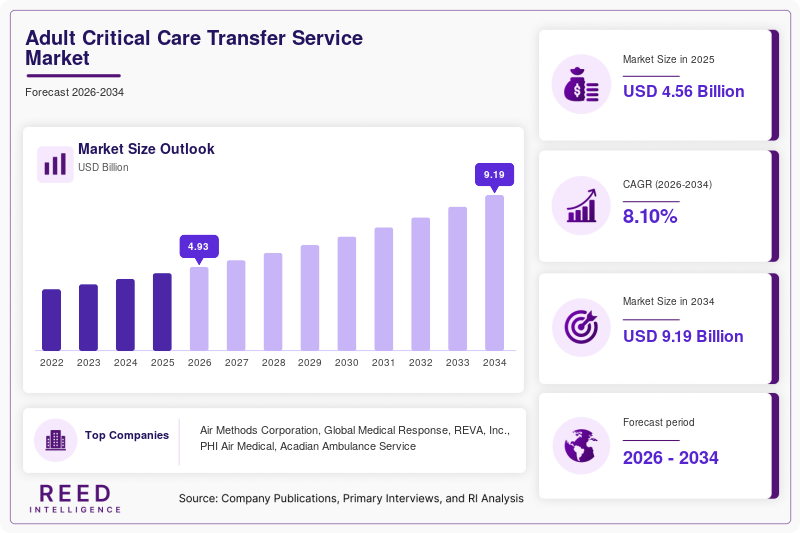
Adult Critical Care Transfer Service Market Size, Share, Demand, Growth & Forecast 2026–2034 Market Overview The Adult Critical Care Transfer Service Market is experiencing significant growth as healthcare systems increasingly concentrate specialized medical services in tertiary and quaternary care centers. Adult critical care transfer services provide specialized transportation for...
The Refurbished Medical Devices Market is becoming increasingly relevant as healthcare organizations seek practical ways to expand medical services and manage equipment costs. Refurbished technology allows eligible medical devices to be restored for further use after appropriate inspection, repair, and performance verification. Hospitals, clinics, and diagnostic centers may consider refurbished...

Home security has evolved far beyond traditional locks and alarm systems. Today, homeowners are investing in intelligent security ecosystems that combine artificial intelligence (AI), Internet of Things (IoT) devices, cloud connectivity, and mobile applications to provide real-time protection and peace of mind. As smart homes become increasingly common, the Home Security Solutions...
Blood pressure monitoring devices are healthcare tools used to measure and continuously monitor blood pressure levels, enabling the early detection and effective management of hypertension and other cardiovascular conditions. These devices include digital blood pressure monitors, ambulatory blood pressure monitoring (ABPM) systems, traditional manual sphygmomanometers, and advanced wearable...
Lentiviral vectors have established themselves as essential tools in modern molecular biology and translational research due to their versatility and high transduction efficiency. As detailed in industry insights regarding the Lentiviral Packaging Kit Market, the market is segmented across diverse applications including functional genomics, cell line engineering, stable gene knockdown, and...
