

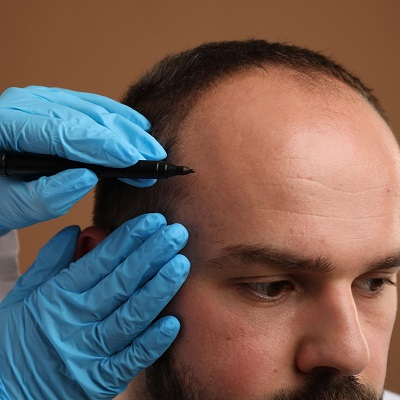

An uneven hairline can affect facial balance and make hair loss more noticeable, particularly when one side sits higher than the other or the hairline has irregular gaps. A hair transplant can help improve hairline symmetry by moving healthy hair follicles from a donor area to selected areas along the forehead. The suitability of the procedure depends on the cause of the unevenness, donor hair availability, and the patient's long-term hair loss pattern. People considering a Hair Transplant in Ajman can benefit from a professional assessment to determine whether transplantation is an appropriate option.
How Hair Transplant Surgery Corrects an Uneven Hairline
Hair transplant surgery can address an uneven hairline by placing individual hair follicles in areas where additional density or improved symmetry is needed. The surgeon evaluates the existing hairline, forehead proportions, facial features, and direction of natural hair growth before planning the procedure. Carefully positioning the grafts can help create a more balanced appearance. The goal is to complement the patient's natural features rather than create an excessively straight or artificial-looking hairline.
Common Causes of an Uneven Hairline
An uneven hairline can develop for several reasons, including genetic hair loss, natural facial asymmetry, previous hair transplant procedures, scarring, or changes in hair growth over time. Some people naturally have one temple that is more recessed than the other, while others experience progressive thinning that changes the hairline's shape. Identifying the underlying cause is important because not every case requires surgery. A specialist can assess whether the concern is related to hair loss, natural variation, or another scalp condition.
The Role of Hairline Design in Achieving Symmetry
Hairline design is an essential part of correcting unevenness through transplantation. The surgeon considers facial proportions, forehead height, temple shape, existing hair density, and the patient's age when planning the new outline. Perfectly matching both sides is not always necessary or realistic because natural hairlines often have subtle asymmetry. A carefully designed hairline should look balanced while maintaining a natural shape that remains appropriate if hair loss progresses.
How Donor Hair Is Used to Restore Hairline Balance
Hair follicles are usually taken from a donor area at the back or sides of the scalp, where the hair may be more resistant to common pattern hair loss. These follicles are then transplanted into the areas that need additional coverage. The number of grafts required depends on the size of the uneven area, existing hair density, and the desired level of correction. Donor hair is limited, so careful planning helps achieve a balanced result while preserving follicles for potential future needs.
Hair Transplant Techniques for Uneven Hairlines
Follicular unit extraction (FUE) and follicular unit transplantation (FUT) are two techniques that may be considered for hair restoration. FUE involves extracting individual follicular units, while FUT involves removing a strip of scalp from the donor area and separating it into grafts. The appropriate method depends on the patient's donor characteristics, treatment goals, and clinical assessment. The technique alone does not determine the final appearance; careful graft placement, hair direction, and hairline design are also important.
Recovery and Hair Growth After Hairline Correction
After a hair transplant, the scalp may experience temporary redness, swelling, tenderness, and small scabs. The transplanted hair shafts commonly shed during the first few weeks, while the follicles can remain in place and produce new growth later. Early growth may become visible after several months, with more noticeable improvement developing over time. Many patients see substantial results within twelve months, although maturation can continue for longer. Following the surgeon's aftercare instructions helps protect the grafts during recovery.
Checkpoint: Plan for Natural and Long-Lasting Results
Before undergoing hairline correction, patients should understand that symmetry, density, and growth timelines vary from person to person. A suitable treatment plan should consider the cause of the uneven hairline, donor hair availability, future hair loss, and realistic expectations. Patients should ask about the proposed hairline design, the number of grafts required, possible risks, and the expected recovery process. Planning for future changes in hair growth can help maintain a natural appearance over time.
Hair Transplant at Dynamic Life Clinic
At Dynamic Life Clinic, patients can discuss concerns about an uneven hairline and explore suitable hair restoration options. A professional assessment can evaluate the existing hairline, donor hair quality, scalp condition, and pattern of hair loss. Based on these findings, the clinician can explain whether transplantation may help improve symmetry and outline the expected treatment process. Patients can also discuss the limitations of surgery, recovery requirements, and the importance of long-term planning before deciding to proceed.
Frequently Asked Questions
Can a Hair Transplant Fix a Receding Hairline on One Side?
A hair transplant may help improve a receding area on one side by placing follicles where additional coverage is needed. The extent of correction depends on donor hair availability, the size of the affected area, and the stability of ongoing hair loss. A specialist can determine whether the procedure is suitable.
How Many Grafts Are Needed to Correct an Uneven Hairline?
The number of grafts depends on the size and shape of the uneven area, existing hair density, and the desired result. Smaller areas may require fewer grafts than extensive temple recession or larger hairline irregularities. The surgeon can estimate the number after examining the scalp.
Will the Transplanted Hairline Look Natural?
A natural-looking result depends on careful hairline design, appropriate graft placement, and matching the direction and angle of hair growth. The surgeon also considers facial proportions and the patient's existing hair. Individual results vary, and a perfectly symmetrical hairline may not look as natural as one that follows normal hairline patterns.
How Long Does It Take to See Hairline Correction Results?
Initial healing generally takes days to weeks, while new hair growth often begins around three to four months after surgery. More noticeable improvement may develop between six and nine months, with substantial results commonly visible around twelve months. Some patients need longer for the transplanted hair to mature.
Can an Uneven Hairline Return After a Hair Transplant?
Transplanted follicles can continue to grow, but natural hair surrounding the treated area may continue to thin. This can change the overall appearance of the hairline over time. Careful planning and appropriate management of ongoing hair loss can help reduce the likelihood of an uneven appearance developing later.
Conclusion
A hair transplant can help repair an uneven hairline by adding density to selected areas and improving the balance of the hairline's shape. The outcome depends on the cause of the unevenness, the quality of donor hair, the surgeon's planning, and the progression of future hair loss. A professional consultation at Dynamic Life Clinic can help determine whether transplantation is appropriate and establish realistic expectations for hairline correction and long-term results.

