

Lymphatic massage is a gentle technique designed to support the movement of lymph fluid through the body's lymphatic system. It is commonly discussed in relation to swelling management, lymphatic health, and certain postoperative care plans. For people researching massage in riyadh, understanding how this technique works, what to expect during a session, and when professional guidance is necessary can help them make informed decisions. Although lymphatic massage may benefit some individuals, it is not suitable for every medical condition and should be performed according to appropriate clinical advice.
What Is Lymphatic Massage?
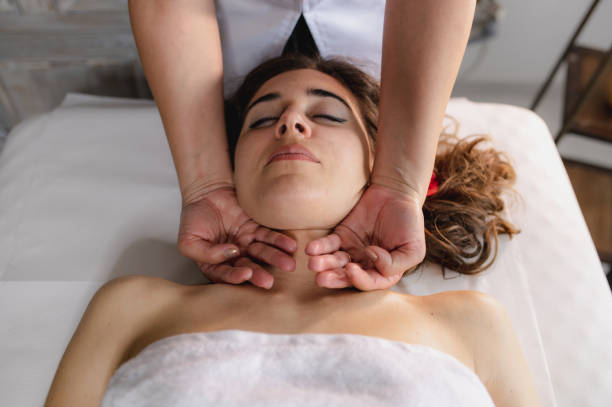
Lymphatic massage, also known as manual lymphatic drainage (MLD), is a specialized technique that uses light, rhythmic movements on the skin to encourage lymph fluid to move through functioning lymphatic pathways. Unlike conventional massage, which may involve deeper pressure on muscles, lymphatic massage generally uses gentle pressure and carefully directed movements.
The lymphatic system is an important part of the body's circulatory and immune systems. It consists of lymph vessels, lymph nodes, and other tissues that transport lymph fluid, help maintain fluid balance, and support immune responses.
How Does the Lymphatic System Work?
Fluid naturally passes from blood vessels into surrounding tissues. Much of it returns to the bloodstream, while the lymphatic system collects excess fluid and transports it through lymph vessels. Lymph nodes help filter lymph and contain immune cells involved in the body's defense mechanisms.
When lymphatic drainage is impaired, fluid may build up in tissues, causing swelling known as lymphedema. Manual lymphatic drainage may be recommended as part of a broader treatment plan for selected patients with this condition.
Potential Benefits of Lymphatic Massage
The benefits of lymphatic massage depend on a person's health, the reason for treatment, and the technique used. It is important to distinguish between potential medical benefits and general claims that may not have strong scientific support.
May Help Manage Certain Types of Swelling
Manual lymphatic drainage can form part of treatment for lymphedema and some other conditions involving impaired fluid drainage. Under professional guidance, it may help reduce swelling or feelings of heaviness in affected areas. Treatment often works best when combined with other recommended measures, such as exercise, compression therapy, and appropriate skin care.
May Support Selected Postoperative Recovery Plans
Swelling can occur after certain surgical procedures as the body heals. In some cases, a surgeon may recommend lymphatic techniques as one part of postoperative care. However, massage is not automatically necessary after every procedure, and the correct timing depends on the operation and the individual's recovery.
People exploring Lymphatic Massage in Riyadh after cosmetic surgery should consult their surgeon before booking a session. Massage performed too early or with inappropriate pressure may irritate healing tissues or interfere with recovery.
May Encourage Relaxation
The slow, gentle movements used during lymphatic massage may feel soothing and help some people relax. However, relaxation does not mean the treatment will remove toxins, burn fat, or produce permanent body-contouring results. These claims should be approached cautiously.
What Happens During a Lymphatic Massage Session?
A session usually begins with a discussion of your medical history, symptoms, previous procedures, and treatment goals. The therapist may ask about areas of swelling, medications, and any relevant health conditions to determine whether treatment is appropriate.
Gentle and Rhythmic Movements
A trained practitioner uses light pressure and specific movements intended to encourage lymph fluid toward functioning drainage pathways. The sequence and technique vary according to the person's condition and the area being treated.
Lymphatic massage should not generally involve forceful kneading or deep pressure. If you experience pain, dizziness, or worsening discomfort, tell the practitioner and stop the session until the problem has been assessed.
Session Length and Frequency
The length of a session depends on the treatment area, clinical purpose, and individual needs. Some people may benefit from a structured course of therapy, while others may not require massage at all. A qualified healthcare professional can help determine whether treatment is suitable and how frequently it should be performed.
Lymphatic Massage After Cosmetic Surgery
Some cosmetic procedures can cause temporary swelling and bruising during recovery. Whether lymphatic massage is appropriate depends on the procedure, the surgeon's technique, and the patient's healing progress.
Before arranging Lymphatic Massage in Riyadh after surgery, obtain clearance from your surgical team. The surgeon can explain when gentle massage may be considered, which areas should be avoided, and whether another form of swelling management would be more appropriate.
Important Postoperative Precautions
-
Follow all instructions concerning wound care, compression garments, activity, and follow-up appointments.
-
Do not massage directly over incisions, surgical drains, or healing complications unless your surgeon specifically instructs you to do so.
-
Select a practitioner with relevant training and experience in postoperative lymphatic techniques.
-
Seek medical advice if swelling becomes increasingly painful, unusually severe, or accompanied by redness or fever.
Sudden chest pain, difficulty breathing, or other severe symptoms require emergency medical attention rather than massage.
Who Should Avoid Lymphatic Massage?
Lymphatic massage is not appropriate for everyone. Depending on the medical circumstances, it may need to be avoided or delayed in people with suspected deep vein thrombosis, acute infection, certain heart conditions, or other significant health concerns.
People with unexplained swelling, kidney disease, active cancer, or complex medical histories should discuss treatment with their healthcare provider before beginning a session. The cause of swelling should be assessed rather than assumed to be a lymphatic problem.
Can You Perform Lymphatic Massage at Home?
Some people with diagnosed lymphedema may be taught self-massage as part of a clinician-directed care plan. The correct movements depend on the affected area and the individual's lymphatic pathways.
Avoid copying general online massage routines if you have recently undergone surgery, have unhealed wounds, or experience unexplained swelling. A trained healthcare professional can demonstrate an appropriate technique and explain which areas to avoid.
How to Choose a Qualified Therapist
When searching for Lymphatic Massage in Riyadh, look for a practitioner with suitable training in manual lymphatic drainage and experience relevant to your needs. If treatment is being considered after surgery, choose someone familiar with postoperative precautions who is willing to follow your surgeon's recommendations.
Ask about the practitioner's qualifications, treatment approach, expected benefits, and any medical circumstances that require clearance. Be cautious of promises of immediate fat loss, permanent body shaping, or complete detoxification. Lymphatic massage should be presented realistically as a technique that may support specific treatment goals, not as a cure-all.
Conclusion
Lymphatic massage is a gentle technique that may help manage certain types of swelling and support selected medical or postoperative care plans. Its suitability depends on your health, the underlying cause of your symptoms, and the practitioner's training. Seeking professional advice before treatment is particularly important if you have a medical condition or are recovering from surgery.
If you would like to learn more about Lymphatic Massage in Riyadh, Royal Clinic Saudia can help you explore available treatment options and understand whether this approach may suit your individual needs. Schedule a consultation to discuss your concerns and receive guidance on appropriate care.

