

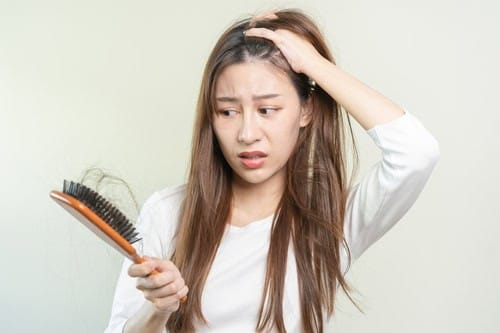

Hair loss can affect men and women at different stages of life, ranging from temporary shedding to gradual thinning and permanent baldness. The causes vary from genetics and hormonal changes to stress, nutritional deficiencies, and scalp conditions. Understanding the different types of hair loss is important because each condition may require a different approach to diagnosis and care. People considering Hair Fall Treatment in Dubai can benefit from identifying the pattern of hair loss early and seeking professional advice to determine which treatment options may be suitable.
What Is Hair Loss?
Hair loss occurs when hair sheds excessively, stops growing normally, or becomes progressively thinner. It can affect the scalp, eyebrows, beard, eyelashes, and other areas of the body.
It is normal to lose around 50–100 hairs daily as part of the natural hair growth cycle. However, noticeable thinning, bald patches, or persistent excessive shedding may indicate an underlying condition.
Hair loss is generally classified according to its cause, pattern, and whether the hair follicles remain capable of producing new hair. Some types are temporary and may improve when the underlying cause is addressed. Others are progressive and may require long-term treatment.
Recognising the type of hair loss helps healthcare professionals select appropriate investigations and avoid treatments that may not address the actual problem.
1. Androgenetic Alopecia: Hereditary Hair Loss
Androgenetic alopecia, also known as pattern hair loss, is one of the most common causes of gradual hair thinning in men and women. It is associated with genetic susceptibility and the effects of androgen hormones on certain hair follicles.
Over time, affected follicles become smaller and produce finer, shorter hairs. This process, known as miniaturisation, gradually reduces hair density.
Signs in Men
-
A receding hairline around the temples.
-
Thinning at the crown.
-
An increasingly visible scalp.
-
Gradual development of bald areas.
Signs in Women
-
A widening central part.
-
Reduced hair volume.
-
Diffuse thinning across the top of the scalp.
-
Increased visibility of the scalp through the hair.
Hereditary hair loss generally progresses slowly, although the rate varies between individuals. Treatments such as topical minoxidil and selected prescription medicines may help some patients manage the condition. Hair transplantation may be considered in appropriate cases.
2. Telogen Effluvium: Excessive Hair Shedding
Telogen effluvium is a type of temporary hair loss that occurs when more hair follicles than usual enter the resting phase of the hair growth cycle.
It may develop after a physical or emotional stressor, such as a high fever, major illness, surgery, childbirth, rapid weight loss, or significant psychological stress. Nutritional deficiencies and certain medications can also contribute.
Common Symptoms
-
Increased hair shedding during washing or brushing.
-
More hair collecting on pillows or clothing.
-
General thinning across the scalp.
-
Hair shedding that begins a few months after a triggering event.
Telogen effluvium usually does not cause completely bald patches. In many cases, shedding gradually improves once the underlying trigger is resolved, although visible recovery may take several months.
A healthcare professional may recommend blood tests or a medication review to identify contributing factors. Do not stop prescribed medication without consulting the prescribing professional.
3. Alopecia Areata: Patchy Hair Loss
Alopecia areata is an autoimmune condition in which the immune system attacks hair follicles. It can cause sudden hair loss in small, round or oval patches.
The condition may affect the scalp, beard, eyebrows, or other areas of the body. In some people, the hair loss remains limited to a few patches. In others, it may become more extensive.
Signs of Alopecia Areata
-
Smooth, round bald patches.
-
Sudden hair loss in one or more areas.
-
Short, broken hairs near the edges of affected patches.
-
Occasionally, small changes in fingernails or toenails.
Hair may regrow naturally in some cases, but recurrence is possible. Treatment depends on the extent of hair loss, age, and individual circumstances. Options may include corticosteroid treatments or other specialist-directed therapies.
Sudden patchy hair loss should be assessed rather than treated with ordinary anti-hair-fall products alone.
4. Traction Alopecia: Hair Loss From Tight Hairstyles
Traction alopecia develops when repeated pulling places excessive tension on the hair follicles. It can occur in people who regularly wear tight ponytails, braids, buns, extensions, or other hairstyles that pull strongly on the roots.
Repeated tension can damage follicles over time. Early traction alopecia may improve when the pulling stops, but long-standing damage can result in permanent hair loss.
Warning Signs
-
Thinning around the forehead or temples.
-
Broken hairs near the hairline.
-
Tenderness or irritation after styling.
-
Small bumps around the affected area.
To reduce the risk, choose looser hairstyles, limit tight extensions, and avoid styles that cause pain or persistent pulling. Early assessment is important if thinning continues despite changing hairstyles.
5. Anagen Effluvium: Rapid Hair Loss
Anagen effluvium occurs when the active growth phase of hair is disrupted. It can cause rapid and sometimes extensive hair loss.
One recognised cause is chemotherapy. Certain medications, toxic exposures, and other factors that affect rapidly dividing cells may also contribute.
Unlike telogen effluvium, which often becomes noticeable a few months after a trigger, anagen effluvium can begin within days or weeks of the triggering exposure.
Common Features
-
Sudden, substantial shedding.
-
Hair breaking or falling out during active growth.
-
Widespread thinning across the scalp.
-
Possible loss of hair from other areas of the body, depending on the cause.
Hair growth may recover when the underlying trigger ends, but the outcome depends on the cause and whether the follicles have sustained lasting damage. Anyone experiencing rapid, unexplained hair loss should seek medical advice.
6. Scarring Alopecia: Hair Loss From Follicle Damage
Scarring alopecia, also called cicatricial alopecia, describes a group of conditions in which inflammation destroys hair follicles and replaces them with scar tissue.
Because the follicles may be permanently damaged, hair may not regrow in affected areas. Early diagnosis is especially important because treatment may help control inflammation and prevent further loss.
Possible Symptoms
-
Persistent scalp redness.
-
Burning, tenderness, or itching.
-
Scaling or bumps around hair follicles.
-
Smooth areas where normal follicle openings are no longer visible.
-
Progressive thinning or bald patches.
Several conditions can cause scarring alopecia, and their treatments differ. A dermatologist may recommend a scalp examination, trichoscopy, or scalp biopsy to establish the diagnosis.
Seek prompt assessment if hair loss occurs alongside pain, inflammation, or visible changes in the scalp.
7. Hair Loss Related to Nutritional Deficiencies
Hair follicles require adequate energy, protein, and essential nutrients to maintain normal growth. Nutritional deficiencies can disrupt the hair growth cycle and contribute to excessive shedding.
Iron deficiency is one recognised contributor. Inadequate protein intake and deficiencies of certain other nutrients may also play a role.
Potential Signs
-
Increased shedding throughout the scalp.
-
Gradual reduction in hair density.
-
Hair that feels weaker or more fragile.
-
Other symptoms associated with the underlying deficiency, such as fatigue in some cases.
A healthcare professional may recommend blood tests based on symptoms, dietary habits, and medical history. Treatment generally focuses on correcting the confirmed deficiency and addressing its cause.
Avoid taking high-dose supplements without guidance, as excessive intake of certain nutrients can itself contribute to health problems or hair loss.
8. Hormonal Hair Loss
Hormonal changes can influence the hair growth cycle. Hair loss may occur in association with thyroid disorders, changes after pregnancy, menopause, or certain conditions that affect androgen levels.
Common Patterns
-
Increased shedding after childbirth.
-
Gradual thinning around menopause.
-
Diffuse hair loss associated with thyroid problems.
-
Hair thinning accompanied by other hormonal symptoms.
Postpartum shedding, for example, commonly becomes noticeable a few months after childbirth and often improves over time. Thyroid-related hair loss may improve when the underlying disorder is treated.
Hormonal hair loss should not be diagnosed by appearance alone. A medical assessment can help determine whether hormone-related conditions or other factors are involved.
9. Hair Loss Caused by Scalp Conditions
Certain scalp conditions can damage hair, increase breakage, or cause inflammation that interferes with normal growth.
Examples include fungal scalp infections, severe inflammatory skin conditions, and persistent scalp disorders.
Symptoms to Watch For
-
Itching or scaling.
-
Redness or irritation.
-
Broken hairs or patchy thinning.
-
Tender areas or crusting.
-
Swelling or sores on the scalp.
A fungal infection of the scalp, known as tinea capitis, can cause scaling and patchy hair loss and generally requires prescription treatment. It should not be managed with ordinary hair oils alone.
Seek professional advice if hair loss occurs alongside significant itching, scaling, pain, or inflammation.
How Is the Type of Hair Loss Diagnosed?
Identifying the cause of hair loss requires more than looking at the amount of hair being shed. A healthcare professional may consider several factors.
Medical and Family History
The clinician may ask when the hair loss started, whether it developed suddenly or gradually, and whether close relatives have experienced similar changes. Recent illnesses, stress, childbirth, dietary changes, and medications may also be relevant.
Scalp Examination
The distribution of thinning, hairline changes, broken hairs, and scalp inflammation can provide clues about the underlying condition.
Trichoscopy and Hair Tests
Trichoscopy uses magnification to examine the scalp and hair follicles. A hair-pull test may sometimes be performed to assess active shedding.
Blood Tests or Scalp Biopsy
Blood tests may be recommended when a nutritional deficiency, thyroid disorder, or other medical cause is suspected. A scalp biopsy may be needed when scarring alopecia or another unclear condition is suspected.
The appropriate investigations depend on the symptoms and clinical findings.
Which Hair Loss Treatments Are Available?
Treatment depends on the type of hair loss and the condition causing it.
-
Topical minoxidil: May help certain types of hereditary hair loss.
-
Prescription medication: Selected medicines may be suitable for particular types of pattern hair loss or inflammatory conditions.
-
Nutritional treatment: Correcting a confirmed deficiency may help when it contributes to shedding.
-
Treatment for scalp conditions: Infections and inflammatory disorders require condition-specific care.
-
PRP therapy: May be considered for selected patients with pattern hair loss, although results vary.
-
Hair transplantation: May be appropriate for certain people with stable, established hereditary hair loss and suitable donor hair.
Not every treatment is effective for every type of hair loss. For example, hair transplantation does not treat the underlying cause of active diffuse shedding, and supplements will not correct every form of baldness.
A personalised assessment helps determine which options are appropriate and what results can realistically be expected.
Conclusion
The common types of hair loss include hereditary pattern hair loss, telogen effluvium, alopecia areata, traction alopecia, anagen effluvium, scarring alopecia, and hair loss related to nutritional, hormonal, or scalp conditions. Each type has different causes, symptoms, and treatment requirements. Some forms are temporary, while others may cause permanent follicle damage if not addressed early. If you notice sudden shedding, patchy baldness, progressive thinning, or scalp inflammation, seek professional assessment to identify the cause and discuss suitable treatment options.
Frequently Asked Questions
1. What is the most common type of hair loss?
Androgenetic alopecia, or hereditary pattern hair loss, is one of the most common types. It affects men and women and usually causes gradual thinning in characteristic areas of the scalp.
2. Which types of hair loss are temporary?
Telogen effluvium is often temporary when the underlying trigger is resolved. Some cases of alopecia areata may also experience regrowth, although recurrence is possible. Recovery depends on the cause and individual circumstances.
3. Can stress cause hair loss?
Yes. Significant physical or emotional stress can trigger telogen effluvium, leading to increased shedding. The shedding often becomes noticeable a few months after the triggering event.
4. What causes sudden bald patches?
Sudden bald patches may be associated with alopecia areata, fungal infections, or other scalp conditions. A professional assessment can help distinguish between these causes and guide appropriate treatment.
5. Can nutritional deficiencies cause hair thinning?
Yes. Iron deficiency, inadequate protein intake, and certain other nutritional deficiencies may contribute to hair loss. Testing can help determine whether a deficiency is present before supplements are recommended.
6. Is hereditary hair loss permanent?
Hereditary hair loss is usually a long-term condition that may progress over time. Treatments may help slow the process or improve density in some people, but ongoing management is often necessary.
7. Can tight hairstyles cause permanent hair loss?
Yes. Repeated tension from tight hairstyles can cause traction alopecia. Early changes may improve after the tension stops, but prolonged damage can permanently destroy affected follicles.
8. When should I see a doctor for hair loss?
Seek advice if hair loss is sudden, severe, patchy, or persistent, or if it occurs with scalp pain, redness, scaling, or sores. Early evaluation is particularly important when scarring or infection is possible.
9. How do I know which type of hair loss I have?
The pattern of thinning, speed of onset, family history, scalp symptoms, and medical history can help identify the cause. A clinician may also recommend trichoscopy, blood tests, or a scalp biopsy when necessary.

